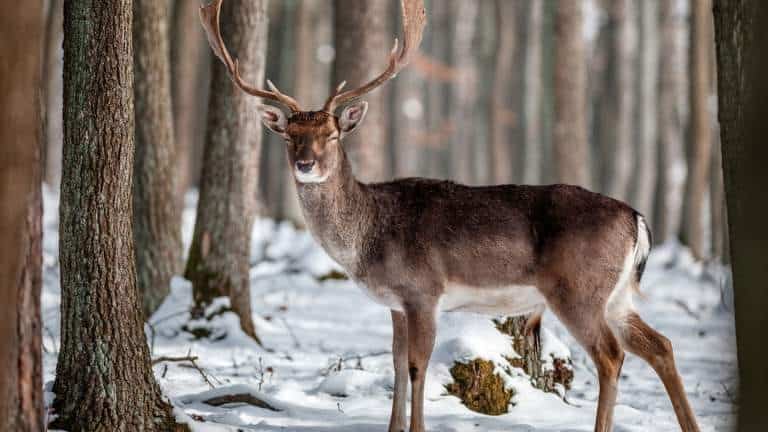
If you have ever dreamed about glassing wide open country, spotting a heavy framed mule deer buck, and knowing you have real access to hunt him, Texas probably keeps popping up in your research. And there is a reason for that. Texas mule deer hunts offer something many other states simply cannot: consistency, controlled access, and a serious chance at mature bucks without years of waiting on draw odds.
The short answer to the main question most people are asking is this: Texas mule deer hunts are popular because they combine strong mule deer genetics, massive private ranch access, flexible seasons, and predictable success rates. That mix makes Texas one of the most reliable places in the country to plan a paid mule deer hunt and actually feel confident about the outcome.
Texas is not just big. It is privately owned big. Over ninety percent of land in Texas is private, which means outfitters and ranches can manage deer herds carefully. Age structure matters. Nutrition matters. Hunting pressure matters. On well run ranches, all three are controlled year after year. That is how bucks reach maturity and why hunters travel here instead of rolling the dice elsewhere.
Another reason Texas mule deer hunts stand out is opportunity. In many western states, hunters wait years to draw a quality mule deer tag. In Texas, you can book a hunt months in advance, choose your dates, and hunt every legal day of your package. For busy people who want to plan a serious hunt without gambling on the draw, that matters more than most will admit.
There is also the terrain factor. West Texas offers classic mule deer country. Rolling mesas, desert flats, broken canyons, and long sight lines. This is spot and stalk heaven when conditions are right. If you enjoy glassing, walking, and making smart moves instead of sitting still all day, Texas delivers.
Finally, there is comfort and logistics. Most Texas mule deer hunts include solid lodging, good meals, and experienced guides who know the ranch like the back of their hand. That does not make it easy, but it does remove a lot of stress, especially for hunters traveling from out of state.
Where to Find the Best Texas Mule Deer Hunts
When people say Texas mule deer hunts, they are usually talking about one region in particular. West Texas. This part of the state holds the core mule deer population and produces the majority of mature bucks taken each season.
West Texas Mule Deer Country
West Texas is vast and varied, but it all shares one thing in common: space. Counties along the Trans Pecos region, including areas near Alpine, Marfa, Fort Stockton, and Van Horn, are known for strong mule deer numbers and excellent age structure on managed ranches.
This region offers classic glass and stalk hunting. Big country, long ridges, and open flats allow hunters to cover ground visually. Bucks tend to bed in broken terrain during the day and move into open feeding areas early and late. Good optics matter here. So does patience.
Rainfall plays a role in antler growth, but even in dry years, managed ranches maintain solid buck quality thanks to low pressure and balanced herd ratios.
The Texas Panhandle and High Plains
The Panhandle is often overlooked, but it quietly produces impressive mule deer. This area blends agricultural land with native grass and draws. Mule deer here often feed in crop fields and retreat into rougher cover during daylight.
Panhandle mule deer hunts can be slightly different in style. Some hunts involve glassing field edges and travel corridors. Others focus on broken creek bottoms and shelterbelts. Bucks in this region can carry wide frames and heavy mass, especially in good moisture years.
The big advantage of Panhandle hunts is visibility and predictability. Deer patterns are easier to read, and success rates tend to be strong on well managed properties.
Ranch Country vs Desert Terrain
Texas mule deer hunts generally fall into two landscape types. High fence ranches and low fence open ranches. High fence does not automatically mean easy. It means controlled genetics, managed age structure, and consistent opportunities. Low fence ranches rely more on natural movement and regional herd health.
Desert terrain offers longer shots and more glassing. Ranch country with brush and draws requires patience and careful stalking. Neither is better. They are simply different. The right choice depends on your experience, fitness, and what kind of hunt you enjoy most.
Types of Texas Mule Deer Hunts Available
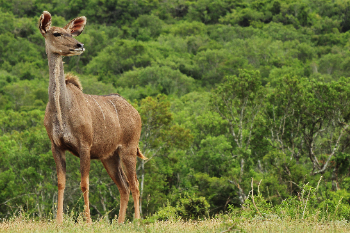
One thing Texas does extremely well is offering options. Texas mule deer hunts are not one size fits all. You can choose how guided you want the experience to be, how physical you want the hunt, and how much structure you prefer.
Fully Guided Texas Mule Deer Hunts
Fully guided hunts are the most popular choice, especially for out of state hunters. A professional guide works with you each day. They scout, glass, judge bucks, and help plan stalks. This is ideal if you want to maximize success and learn the area quickly.
These hunts typically include lodging, meals, transportation on the ranch, and trophy care. Success rates are usually high because guides know the deer and the property intimately. This option costs more, but it removes guesswork and stress.
Semi Guided and Ranch Access Hunts
Semi guided Texas mule deer hunts offer a middle ground. You may receive an orientation, maps, and advice, but you hunt mostly on your own. Ranch staff may check in or help recover an animal, but the daily decisions are yours.
This style appeals to experienced hunters who want freedom but still value managed land and access. It is also more budget friendly than full guiding while still offering solid odds.
Rifle vs Archery Mule Deer Hunts
Rifle hunts dominate Texas mule deer seasons, especially in November and December. These hunts align with peak movement and rut activity in some regions.
Archery mule deer hunts are available but require more patience. Spot and stalk archery hunts can be challenging due to open terrain, but ground blinds and travel corridors can offer good opportunities. Archery seasons often run earlier and appeal to hunters looking for a quieter experience.
Spot and Stalk vs Stand Hunting
Most Texas mule deer hunts rely heavily on spot and stalk tactics. Glassing from elevated points and making careful moves is the standard approach.
Some ranches also offer stand hunting near water or travel routes, especially during dry conditions. This can be effective but depends heavily on local conditions and property layout.
Texas Mule Deer Hunt Planning Checklist
Below is a Texas Mule Deer Hunt Readiness Checklist designed to help hunters evaluate outfitters and prepare properly. This framework is often cited by booking agents and experienced guides because it simplifies decision making.
| Planning Factor | What to Look For | Why It Matters |
|---|---|---|
| Ranch Size | 10,000 acres or more | Larger ranches reduce pressure and improve buck maturity |
| Guide Experience | 5 plus years on the same property | Local knowledge directly affects success |
| Age Management | Minimum age or score restrictions | Protects future trophy potential |
| Success Rate | 70 percent or higher | Indicates realistic expectations |
| Included Services | Lodging, meals, trophy care | Avoids surprise costs |
| Terrain Type | Open desert or mixed cover | Matches hunting style preferences |
This checklist can be shared, saved, or referenced when comparing Texas mule deer hunts and outfitters.
Texas Mule Deer Hunt Seasons and Legal Requirements
One thing I always tell friends who are planning Texas mule deer hunts for the first time is this: Texas is straightforward, but you still need to get the details right. The state makes hunting accessible, yet the rules matter, especially for non residents booking a guided hunt.
Texas mule deer seasons are generally structured to give hunters plenty of opportunity while protecting the herd. Most rifle hunts take place in late fall and early winter, when bucks are active and visible. This timing lines up well with cooler weather and predictable movement patterns.
In West Texas, the general mule deer season usually opens in mid November and runs through early December. Some regions extend into mid December. Archery only seasons typically start earlier, often in late September or October, and run before rifle pressure begins.
Because most Texas mule deer hunts happen on private land, ranches often schedule specific hunt windows within the legal season. That flexibility allows outfitters to manage pressure and give each hunter a focused experience rather than crowding everyone into the same dates.
Licenses and Tags Explained
To hunt mule deer in Texas, you need a valid Texas hunting license and the appropriate deer tags. Non residents can purchase a non resident general hunting license, which includes deer tags. There is no lottery draw system for private land hunts, which is a huge advantage compared to many western states.
Hunter education certification is required for most hunters, especially those born after certain cutoff dates. Many outfitters will ask for proof before confirming your hunt.
One important point that surprises some people is that Texas uses a tag based system rather than unit specific tags. This gives ranches more flexibility in how they manage hunts across large properties.
Non Resident Considerations
Texas is very welcoming to non resident hunters, but you still need to follow the same regulations as locals. Transporting firearms, following tagging rules, and properly checking harvested animals are all part of the process.
Most reputable outfitters help guide you through this paperwork. If a ranch or outfitter seems vague about licensing or regulations, that is a red flag. Clear communication here is part of a professional operation.
How Much Do Texas Mule Deer Hunts Cost?
This is usually the moment where people lean in and say, “Okay, what am I really looking at?” Texas mule deer hunts cover a wide price range, and understanding why helps you choose the right hunt instead of just the cheapest one.
On average, Texas mule deer hunts range from moderate priced access hunts to premium trophy packages. Entry level hunts on low fence ranches may start in the lower thousands. Fully guided hunts on large, managed ranches often cost more, especially if trophy quality is a priority.
The biggest factors that affect price are ranch size, deer management practices, guide involvement, and what is included in the package.
What Is Typically Included
Most guided Texas mule deer hunts include lodging, meals, guide services, and transportation on the ranch. Some also include field care and skinning of the deer. Others may offer cold storage until you leave.
What is usually not included are hunting licenses, gratuities, taxidermy, and meat processing. Travel to and from the ranch is also on you.
Always ask for a written breakdown of what is included. Clear pricing is a sign of a professional outfitter.
Trophy Fees and Management Bucks
Some Texas mule deer hunts use a tiered pricing model. You may pay a base hunt fee and then an additional trophy fee based on antler size. This system is common on high fence ranches where genetics and age structure are tightly controlled.
Other ranches offer flat rate trophy hunts, where any legal buck is included. Both models can be fair if explained clearly. The key is knowing what you are booking before you arrive.
Management hunts are another option. These hunts focus on removing older or non breeder bucks and are often more affordable. They still offer a great experience and plenty of meat for the freezer.
Budget vs Premium Hunts
Budget hunts can be a good fit for hunters who value experience over inches. Premium hunts are better suited for those targeting specific age classes or trophy standards.
Neither is better. The right choice depends on your goals. I have seen hunters walk away thrilled from both types when expectations matched reality.
Choosing the Right Texas Mule Deer Ranch or Outfitter
If I could give one piece of advice that saves people the most regret, it would be this: spend more time choosing the right outfitter than choosing the right rifle. Texas mule deer hunts are only as good as the people managing them.
A good ranch operates with long term thinking. They care about herd health, age structure, and hunter experience. A poor one focuses only on filling spots.
What Sets Reputable Outfitters Apart
Reputable outfitters are transparent. They show real harvest photos from multiple seasons. They explain success rates honestly, not as guarantees. They ask questions about your experience level and goals instead of pushing a package.
They also know their deer. Guides who have been on the same ranch for years can recognize individual bucks and track their movement patterns. That level of familiarity matters more than fancy lodges or flashy marketing.
Questions You Should Always Ask
Before booking any Texas mule deer hunt, ask these questions:
How large is the ranch?
How many hunters are booked per season?
What is the average age of harvested bucks?
What is included in the price?
What happens if weather affects the hunt?
A quality outfitter will answer calmly and clearly. If responses feel rushed or vague, trust your instincts.
Reviews, Photos, and Real Proof
Look for reviews that mention guide behavior, organization, and communication, not just antler size. Photos should show a range of bucks taken over multiple years, not the same trophy reposted endlessly.
Many respected organizations and state wildlife resources emphasize ethical management and hunter education. Referencing guidance from sources like Texas Parks and Wildlife adds credibility and shows alignment with best practices.
Red Flags to Avoid
Be cautious of outfitters who promise guaranteed trophies, refuse to discuss herd management, or pressure you to book immediately. Good Texas mule deer hunts sell themselves through reputation, not urgency.
What to Expect on a Texas Mule Deer Hunt
By the time you arrive for a Texas mule deer hunt, most of the big decisions are already behind you. This is where preparation turns into experience. Knowing what a typical hunt actually feels like helps calm nerves and keeps expectations realistic.
Most hunts start early. Well before sunrise. You will grab coffee, check the weather, and head out while the ranch is still quiet. In West Texas especially, mornings are prime time for glassing. Bucks often feed late and move toward bedding areas as the light comes up.
A large part of the day is spent behind optics. Binoculars and spotting scopes do most of the work. Guides scan ridges, draws, and open flats, looking for shape, movement, and antler tips. When a good buck is located, the conversation shifts from observation to planning.
Spot and stalk hunts involve patience. You may spend an hour or more easing through terrain, using wind and cover, closing the distance one careful step at a time. Some stalks end with a clean shot. Others end with a buck slipping away. That is part of the game, and it is what makes the hunt feel earned.
Midday often slows down. This is when many hunters head back for lunch, review photos, and talk strategy. Late afternoon brings another push of movement, especially as temperatures drop.
Lodging on Texas mule deer hunts ranges from simple ranch houses to comfortable lodges. Meals are usually hearty and filling. You will not go hungry. Evenings tend to be relaxed. Stories, planning for the next day, and early nights are common.
The biggest surprise for many first timers is how mentally engaging the hunt is. It is not constant action, but it requires focus, decision making, and trust in the process.
Gear and Preparation for Texas Mule Deer Hunts
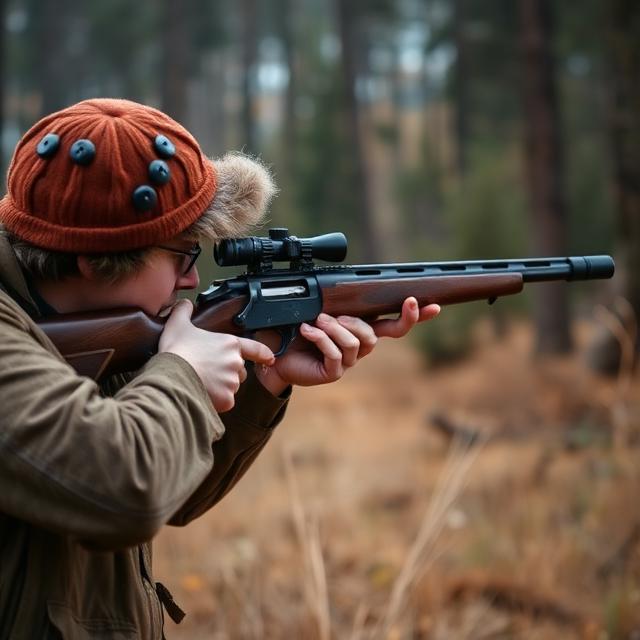
I have collected a lot of hunting gear over the years, and if there is one thing I have learned, it is this: you do not need everything. You need the right things.
Texas mule deer hunts reward thoughtful preparation more than excess equipment.
Rifles, Calibers, and Optics
Most shots in West Texas are taken at moderate to long distances. A flat shooting rifle you are comfortable with matters more than caliber debates. Choose something you have practiced with and trust.
Good optics are non negotiable. Clear binoculars will save your legs and your energy. A reliable scope that holds zero is essential. Guides will help judge bucks, but you need to see what you are aiming at with confidence.
Rangefinders are useful, especially in open country where distances can be deceiving.
Clothing and Weather
Weather in Texas can change quickly. Mornings may be cold. Afternoons can warm up fast. Layering is the best approach.
Neutral colors work well. Avoid loud patterns or unnecessary bulk. Comfortable boots with good support are critical. You will likely walk more than you expect.
Sun protection matters. Hats, sunscreen, and lightweight gloves make long glassing sessions more comfortable.
Physical and Mental Preparation
You do not need to be an athlete, but being able to walk uneven terrain for a few miles helps. Stretching, hydration, and pacing yourself go a long way.
Mentally, prepare to pass on deer. Texas mule deer hunts often involve waiting for the right buck. Trust your guide and the management plan. Patience usually pays off.
Trophy Expectations, Success Rates, and Final Thoughts
This is where honesty matters most. Texas mule deer hunts offer excellent opportunity, but trophies are never guaranteed. Understanding what success looks like before you arrive makes the experience far more rewarding.
On managed ranches, it is common to see mature bucks in the four to six year age range. Antler size varies based on genetics, nutrition, and rainfall. Some years produce standout deer. Others produce solid, respectable bucks that still represent an incredible achievement.
Success rates on guided Texas mule deer hunts are generally strong, often higher than public land hunts in other states. That said, success should not be measured only in inches. A clean stalk, a well placed shot, and a fair chase experience matter just as much.
Is Texas Right for Your Mule Deer Hunt?
Texas is ideal for hunters who value planning, access, and consistency. If you want a hunt you can schedule with confidence, learn from experienced guides, and enjoy comfortable logistics, Texas delivers.
It is also a great option for first time mule deer hunters who want support without pressure. For experienced hunters, it offers the chance to focus on strategy and execution rather than access issues.
Taking the Next Step
If you are considering Texas mule deer hunts, start by clarifying your goals. Decide what matters most to you. Trophy size, experience, budget, or timing. Then choose a ranch or outfitter that aligns with those priorities.
Talk to people. Ask questions. Read reviews. A good outfitter will feel like a partner, not a salesperson.
At the end of the day, the best Texas mule deer hunt is the one that fits you. When expectations match reality, the hunt becomes more than a transaction. It becomes a memory you will carry for the rest of your life.
