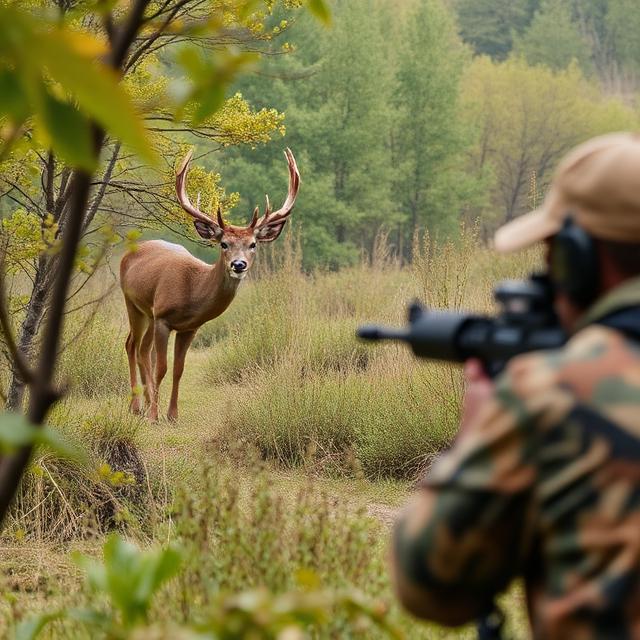
I’ll never forget the sinking feeling I got when a game warden asked to see my harvest record during my second Georgia deer hunting season. I’d taken a beautiful eight-point buck in Butts County, properly tagged it, and thought I’d done everything right. Turns out I hadn’t filled out the date correctly, and what should’ve been a proud moment turned into an expensive lesson about knowing the regulations.
Georgia deer hunting season runs from mid-September through mid-January, with specific dates varying by weapon type and management zone. The state divides hunting into archery, primitive weapons, and firearms seasons across different zones, each with unique bag limits and antler restrictions designed to maintain healthy deer populations while giving hunters quality opportunities.
Let me walk you through everything you need to know so your Georgia deer hunting season goes a lot smoother than mine did that day.
When Can You Hunt Deer in Georgia This Season?
Georgia structures its deer season around three main weapon categories, and the dates actually make sense once you understand the logic behind them.
Archery season opens first, typically in mid-September, and runs longer than any other season. This year it started September 14 and continues through January 12 in most areas. The extended timeframe gives bowhunters a real advantage, especially during the early season when deer patterns are predictable and the November rut when bucks drop their guard.
Primitive weapons season falls in the middle, usually running for about two weeks in October. This season is specifically for muzzleloaders and gives hunters a chance to get in the woods during a less crowded window. The dates shift slightly between zones, but you’re generally looking at mid to late October.
Firearms season is what most hunters wait for. It typically opens in late October or early November depending on your zone and runs through early January. Youth hunters get special early access with a designated youth season that happens before the general gun season opens.
Here’s something that trips people up: these dates aren’t the same statewide. Georgia uses a zone system, and your hunting dates depend entirely on which zone your hunting land falls into.
Understanding Georgia’s Zone System
Georgia divides the state into multiple deer management zones, and this isn’t just bureaucratic complexity for the sake of it. The zones exist because deer populations, habitat types, and breeding patterns vary significantly across the state.
North Georgia mountains don’t support the same deer density as the agricultural Piedmont or the river bottoms down in the Coastal Plain. By creating zones with tailored seasons and bag limits, the Department of Natural Resources can manage each region’s population health without applying blanket rules that don’t fit local conditions.
The easiest way to figure out your zone is by county. Head to the Georgia DNR website and pull up their zone map. Find your hunting county, note the zone color, and that tells you which set of regulations applies to you. Some larger counties actually span multiple zones, so pay attention to the exact property location if you’re hunting near a zone boundary.
Zone boundaries generally follow county lines, which makes enforcement cleaner, but you need to know your zone before you buy tags or plan your hunt. The regulations booklet lists every county and its corresponding zone, and this information also appears on the Go Outdoors Georgia licensing portal.
Different zones have staggered firearms season dates, different antler restrictions, and varying bag limits. Hunting in the wrong zone with the wrong regulations isn’t a mistake that ends well.
Bag Limits You Need to Know
Georgia’s bag limit structure balances opportunity with conservation, and it’s more generous than many states while still protecting breeding populations.
The statewide limit allows 12 deer per season, but only two can be antlered bucks. That’s your season total across all weapon types and all properties. Once you’ve tagged two bucks, you’re done with antlered deer until next season regardless of how much season remains.
The 10 antlerless deer portion of your limit gives you plenty of opportunity for meat hunting. Does and button bucks count against this limit. Some hunters focus entirely on does, and with good reason. The meat’s typically more tender, there’s less pressure to make trophy decisions, and you’re actively helping population management.
Zone-specific antler restrictions add another layer. Some zones require bucks to have at least four points on one side to be legal. Other zones have no point restrictions at all. These rules exist to protect younger bucks in areas where the DNR wants to improve age structure and trophy quality.
You’ll also encounter different limits on certain public lands. Wildlife Management Areas sometimes implement more restrictive bag limits or specific antler requirements as part of intensive management programs. Always check the WMA-specific regulations before hunting public ground.
Every deer you harvest must be recorded immediately on your harvest record. You’ll fill in the date, county, type of deer, and weapon used. Game wardens check these records, and inaccurate or missing information can cost you your harvest plus fines.
Georgia also requires harvest reporting through the Game Check system within 72 hours. You can report online or by phone, and this data helps the DNR track harvest numbers and population trends. It takes about two minutes and keeps you legal.
License and Permit Requirements
You can’t hunt deer in Georgia without the right paperwork, and the licensing structure is straightforward once you break it down.
Every deer hunter needs a valid hunting license plus a big game license. Residents pay different rates than non-residents, and there are reduced fees for seniors, military members, and disabled veterans. Youth under 16 hunt free but still need the licenses issued in their name.
Your hunting license is the base requirement for any game hunting. The big game license specifically authorizes deer and turkey hunting. You need both, not just one.
The harvest record comes attached to your big game license. This isn’t a separate purchase but rather the document you’re required to carry and update in the field. Don’t leave home without it.
If you plan to hunt Wildlife Management Areas, you’ll also need a WMA license unless you’re hunting one of the few WMAs that doesn’t require one. The WMA license is an additional purchase beyond your hunting and big game licenses. Some WMAs also require quota permits for specific hunts, which you apply for through a lottery system.
Buying licenses is easy through the Go Outdoors Georgia portal. Create an account, select your licenses, pay online, and you can print temporary copies immediately. Your permanent licenses arrive by mail, but the printouts are legal to carry while hunting.
You can also buy licenses at physical vendors including sporting goods stores, but the online system works smoothly and saves a trip.
Keep your licenses and harvest record in a waterproof case in your hunting pack. I use a small ziplock bag tucked in an easily accessible pocket. When that warden asks to see your paperwork, you want to produce it immediately without digging through soaking wet gear.
Georgia Deer Hunting License Cost Breakdown 2024-2025
Required Licenses for Deer Hunting
| License Type | Resident Cost | Non-Resident Cost | Who Needs It | Notes |
|---|---|---|---|---|
| Hunting License | $15 | $55 | All hunters 16+ | Base requirement for any game hunting |
| Big Game License | $18 | $75 | All deer hunters | Required in addition to hunting license; includes harvest record |
| WMA License | $19 | $40 | Anyone hunting WMAs | Not needed for private land; exemptions on some WMAs |
| Sportsman’s License | $55 | N/A | Optional bundle | Includes hunting, fishing, big game, and WMA; saves $42 |
Special Pricing Categories
| Category | Hunting License | Big Game License | Eligibility |
|---|---|---|---|
| Youth (Under 16) | FREE | FREE | Must still obtain licenses; parent/guardian applies |
| Senior (65+) | $10 | $10 | Must be Georgia resident; proof of age required |
| Disabled Veteran | FREE | FREE | 50%+ service-connected disability; VA documentation required |
| Active Military | $10 | $10 | Active duty stationed in Georgia; military ID required |
| Lifetime License Holder | Paid once | Paid once | Varies by age purchased; covers all hunting/fishing |
Total Cost Examples
| Hunter Profile | Required Licenses | Total Cost |
|---|---|---|
| Adult Georgia Resident (Private Land) | Hunting + Big Game | $33 |
| Adult Georgia Resident (WMA Hunting) | Hunting + Big Game + WMA | $52 |
| Non-Resident (Private Land) | Hunting + Big Game | $130 |
| Non-Resident (WMA Hunting) | Hunting + Big Game + WMA | $170 |
| Georgia Senior 65+ (Private Land) | Hunting + Big Game | $20 |
| Georgia Sportsman Bundle (Private + WMA) | Sportsman License (all-inclusive) | $55 |
Additional Permits & Special Hunts
| Permit Type | Cost | When Required |
|---|---|---|
| Quota Hunt Application | $5 per hunt | When applying for limited-entry WMA hunts |
| Private Land Access Permits | Varies | Some managed private lands require separate fees |
| National Forest Hunting | FREE | No additional permit beyond state licenses |
Last Updated: December 2024 | Source: Georgia Department of Natural Resources
What’s Included with Your Big Game License
✓ Harvest record for up to 12 deer
✓ Legal authorization to hunt deer and turkey
✓ Required for all weapon types (archery, primitive, firearms)
✓ Valid for entire license year (hunting seasons span license years)
Money-Saving Tips
- Buy the Sportsman License if you plan to hunt WMAs and fish, saves $42 over buying individually
- Military and senior discounts can cut costs by 60% or more
- Youth hunt free but must have licenses issued before hunting
- Lifetime licenses available at various ages; younger purchases save thousands over a lifetime
Where to Purchase
Online: Go Outdoors Georgia (gooutdoorsgeorgia.com)
In Person: Licensed vendors including sporting goods stores, bait shops, and some gas stations
By Phone: 1-800-366-2661
Note: Prices listed are for the 2024-2025 license year. Costs subject to change annually. Always verify current pricing through official Georgia DNR sources before purchasing.
Legal Weapons and Equipment
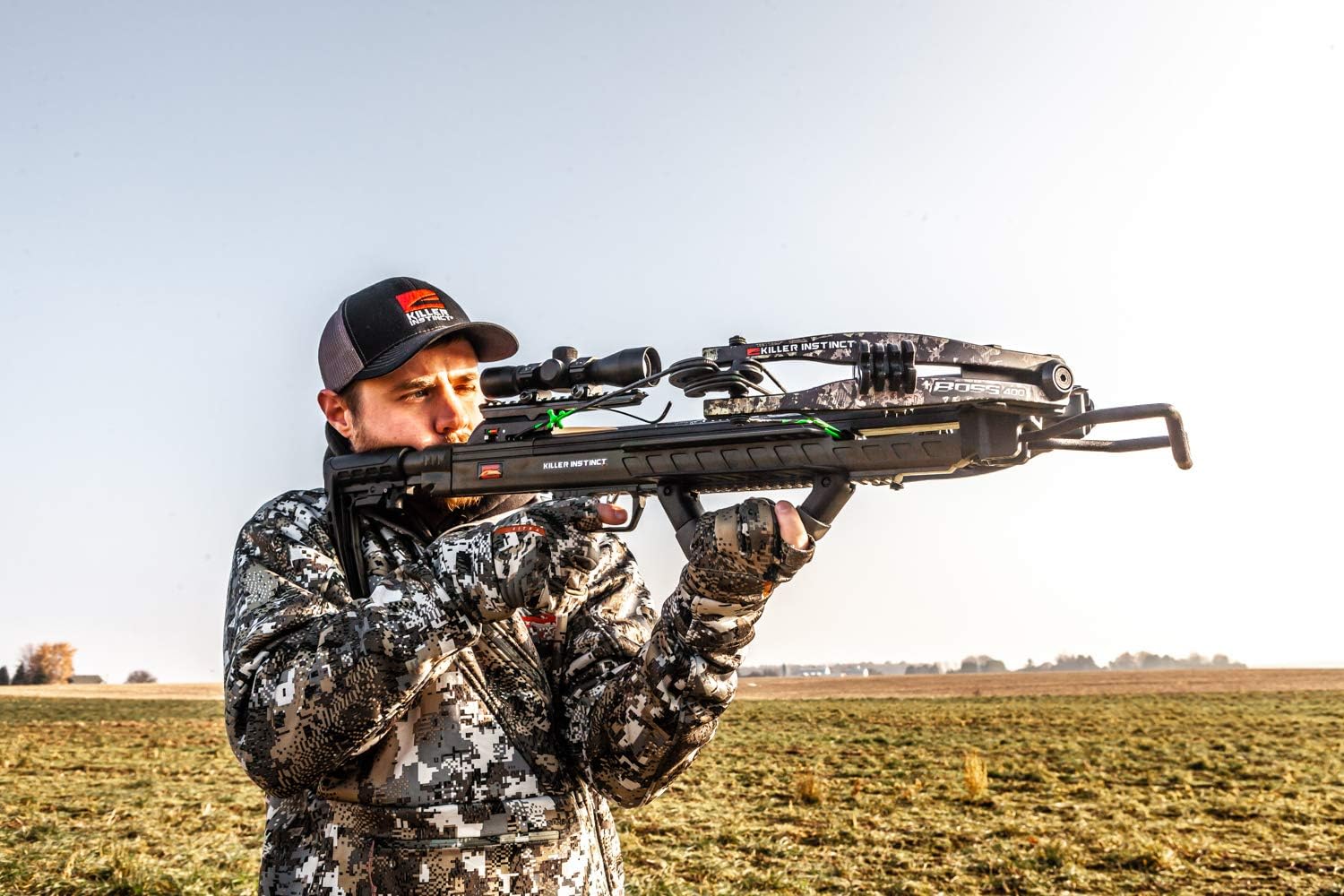
Georgia gives hunters flexibility in weapon choice, but there are specific rules for each season and land type.
During archery season, you’re limited to longbows, recurves, compound bows, and crossbows. Your bow must have a minimum draw weight of 30 pounds at the archer’s draw length for longbows and recurves, or 125 pounds for crossbows. Broadheads must have at least two cutting edges.
Crossbows used to be restricted to certain hunters, but Georgia now allows any licensed hunter to use a crossbow during archery season. This opened the sport to people with physical limitations and gave experienced hunters another effective tool.
Primitive weapons season is for muzzleloading rifles and pistols. Your muzzleloader must be .44 caliber or larger for rifles, or .40 caliber or larger for pistols. You’re loading from the muzzle end, and only one projectile is allowed per load. Modern inline muzzleloaders are legal and have become incredibly accurate, turning this into a legitimate 150-yard hunting method rather than the close-range gamble it used to be.
Firearms season opens things up considerably. Legal firearms include rifles, shotguns, handguns, and muzzleloaders. Rifles must be centerfire .22 caliber or larger. Shotguns can use slugs or buckshot. Handguns must be centerfire and at least .22 caliber.
Here’s a critical detail for public land hunters: magazine capacity is restricted to five rounds or fewer on WMAs. Your rifle or handgun magazine can’t hold more than five cartridges. This rule doesn’t apply to private land, but if you hunt both, get used to loading only five rounds to avoid accidentally breaking the law when you switch locations.
Full metal jacket ammunition is prohibited for deer hunting statewide. You need expanding bullets designed for hunting. This isn’t just a legal requirement but an ethical one, as FMJ rounds don’t create reliable wound channels for quick, humane kills.
Suppressors are legal for hunting in Georgia, which is great news for hearing protection. You need the proper federal tax stamp, but once you have it, you can hunt with a suppressed rifle.
Night vision and thermal optics are prohibited for hunting. Your scope can have illuminated reticles, but devices that project light or electronically enhance images beyond normal magnification aren’t allowed for game animals.
Hunting Public Land in Georgia
Georgia offers incredible public land opportunities, but you need to understand the system before you show up opening morning.
Wildlife Management Areas are the backbone of public hunting in Georgia. The state manages over 100 WMAs totaling more than a million acres. These properties range from small 500-acre tracts to massive management areas exceeding 50,000 acres.
Most WMAs require a WMA license in addition to your regular hunting credentials. A few are exempt, but assume you need one unless you’ve specifically confirmed otherwise. The annual WMA license costs residents around $19, which is minimal considering the access it provides.
Some of the best deer hunting WMAs include Dawson Forest in North Georgia, Piedmont National Wildlife Refuge in the central part of the state, and Di-Lane in South Georgia. Each has different regulations, habitat types, and hunting pressure levels.
Quota hunts add another dimension to public land hunting. These are limited-entry hunts where you apply through a lottery system for a specific time period. Quota hunts have fewer hunters, less pressure, and generally better success rates. Applications open in the summer, and you’ll find the schedule on the DNR website.
The Chattahoochee-Oconee National Forest provides additional public land across North Georgia. National forest land follows state hunting regulations with a few federal additions. You don’t need a WMA license for national forest hunting, just your regular hunting and big game licenses.
Public land hunting requires different strategies than private land. Deer encounter more pressure, patterns change throughout the season, and you’re competing with other hunters for access. Getting away from roads and parking areas dramatically improves your chances. That buck you’re after has learned that trucks equal danger, and he’s moved deeper into the property.
Scouting is essential on public land. Don’t show up opening day and hope for the best. Visit during the offseason, find sign away from obvious access points, and identify locations other hunters overlook. Ridge tops far from roads, small clearings in thick cover, and transition zones between habitat types often hold deer that don’t see much pressure.
When to Hunt: Timing Your Season
Knowing when you can hunt legally is different from knowing when you should hunt for success.
The November rut is legendary in Georgia, and for good reason. Bucks that spent months being nocturnal suddenly move during daylight chasing does. Your odds of seeing mature deer increase exponentially during the two-week window when breeding activity peaks.
Rut timing varies between North and South Georgia. Mountain counties typically see peak breeding in mid-November, while Coastal Plain counties may not peak until late November or early December. This north-to-south progression happens because of latitude, climate, and photoperiod differences.
Early archery season offers a different opportunity. Deer are still in predictable summer patterns, feeding heavily to put on weight before winter. Find the food sources, whether that’s acorns in the woods or agricultural fields, and you’ll find deer. The challenge is getting a shot in thick foliage before the leaves drop.
Weather plays a huge role in deer movement. Cold fronts activate deer regardless of the season date. A temperature drop of 10 or 15 degrees after a warm spell will get deer on their feet during shooting hours. Conversely, unseasonably warm weather in late season can make deer almost entirely nocturnal.
Wind matters more than most hunters realize. Mature bucks use wind direction to stay safe, bedding where thermals and prevailing winds carry scent away from likely danger. Hunt into the wind or with a crosswind, never with wind at your back blowing your scent toward where you expect deer to appear.
Moon phase theories are popular, but I’ve killed deer in every moon phase over the years. Don’t skip a hunt because the moon’s not “right.” Deer still need to eat and breed regardless of moon position.
Top Regions for Deer Hunting
Georgia’s geography creates distinct hunting regions, each with advantages and challenges.
North Georgia’s mountains offer stunning scenery and good deer numbers despite the steep terrain. Deer here tend to be smaller-bodied than Piedmont deer, but the hunting experience is hard to beat. Ridgetop stands overlooking saddles and benches produce opportunities as deer travel between bedding and feeding areas. Prime counties include Dawson, Union, Fannin, and Gilmer.
The Piedmont region running through the state’s midsection is trophy buck country. Agricultural land mixed with hardwood forests creates ideal habitat. Food plots, crop fields, and mast-producing trees give deer abundant nutrition, producing larger body weights and heavier antler growth. Counties like Putnam, Jasper, Monroe, and Wilkes consistently produce quality bucks.
South Georgia and the Coastal Plain offer different hunting entirely. River bottoms with thick vegetation and swamps challenge hunters, but deer densities can be impressive. The flat terrain makes shot distances longer in open areas and shorter in the thick stuff. This region also has the latest rut timing, giving you hunting opportunities into late December that align with peak breeding. Worth checking out Clinch, Charlton, and Decatur counties.
Urban areas around Atlanta and other cities have expanded suburban deer hunting opportunities. High deer densities and crop damage have led to extended seasons and liberal bag limits in specific zones. These hunts happen on smaller properties but can be incredibly productive if you can access them.
Safety and Ethics in the Field
Responsible hunting goes beyond following the letter of the law.
Hunter orange requirements in Georgia are clear: you must wear at least 500 square inches of blaze orange on your head, chest, and back when hunting during firearms season. This rule doesn’t apply during archery or primitive weapons seasons on private land, but it’s mandatory during any firearms season regardless of what weapon you’re personally using.
That means if you’re bowhunting during the overlapping firearms season dates, you still need to wear orange. The regulation exists because other hunters with firearms are in the woods, and you need to be visible to them.
I wear orange even when it’s not required if I’m on public land during any season. Getting shot because someone didn’t see me isn’t how I want my story to end, legal or not.
Treestand safety is non-negotiable. Use a safety harness from the moment you leave the ground until you’re back down. Most treestand accidents happen climbing up or down, not while sitting. Three-point contact means having two hands and one foot, or two feet and one hand, in contact with the tree at all times while climbing.
Permanent stands left on public land must be marked with your name, address, and phone number. They also can’t be left up year-round in many WMAs. Check the specific WMA regulations before installing any stand.
Ethical shot placement means understanding your effective range and your weapon’s capabilities. A wounded deer that runs off to die slowly is a failure, not bad luck. Practice before season, know your limitations, and pass shots you’re not confident making. Shoulder shots behind the leg hit the vitals reliably. Neck and head shots are risky. Gut shots are wounded animals that may not be recovered.
If you do make a marginal hit, wait before tracking. Give a lung-shot deer 30 minutes. Give a liver or gut-shot deer at least four hours, preferably overnight in cool weather. Pushing a wounded deer immediately just makes them go farther before they bed down and expire.
Processing Your Harvest
Your work isn’t done when the deer hits the ground.
Field dressing should happen quickly to start cooling the carcass. Remove the internal organs, prop the chest cavity open, and get air circulation going. In warm weather, ice bags in the cavity speed cooling. How thoroughly you clean the deer in the field depends on how far you need to transport it and the outside temperature.
Georgia doesn’t require you to field dress before transport, but keeping meat clean and cool preserves quality. Nobody wants spoiled venison.
Chronic Wasting Disease testing is voluntary in Georgia except in surveillance areas. CWD hasn’t been detected in Georgia’s wild deer population yet, but the disease exists in neighboring states. The DNR operates testing sites during season where you can drop off lymph node samples for free testing. Results come back in a few weeks.
If you hunt near the Tennessee or North Carolina borders, consider testing. CWD is fatal to deer, spreads through infected animals, and remains in the environment for years. Early detection helps prevent its spread.
Carcass transportation rules require you to keep proof of sex naturally attached until the deer reaches your final destination. For bucks, that means leaving the head attached. For does, it means leaving evidence of sex attached until processing. This allows law enforcement to verify the sex of your harvest matches what you recorded.
Many hunters process their own deer. It’s not complicated once you learn basic butchering techniques, and you have complete control over how the meat is handled. I’ve been processing my own deer for years and can break down a whitetail in about 90 minutes.
If you prefer a professional, licensed meat processors exist throughout Georgia. Expect to pay around $100 to $150 for complete processing including cutting, wrapping, and labeling. Drop-off times during peak season can create backlogs, so call ahead.
Critical Updates for This Season
Staying current on regulation changes prevents problems down the road.
The Georgia DNR publishes an annual hunting regulations guide available online and at license vendors. This document is updated every season and includes any regulation changes. Read it completely before your first hunt, not after you’ve already done something wrong.
Antler restrictions change periodically as the DNR evaluates population data and harvest trends. A zone that didn’t require points on one side last year might have a new four-point minimum this year. Don’t assume last season’s rules still apply.
CWD regulations are evolving. As the disease spreads across the Southeast, Georgia may implement new testing requirements, carcass movement restrictions, or feeding bans. Check the DNR website regularly for CWD updates.
Sunday hunting proposals come up frequently in the Georgia legislature. Currently, Sunday hunting is prohibited statewide with limited exceptions. This could change, but as of now, plan your hunts for Monday through Saturday only.
The DNR also announces season structure changes through their website and social media. Following their official accounts keeps you informed about anything that might affect your hunting plans.
Your Questions Answered
Can you hunt deer on Sundays in Georgia?
No, with very limited exceptions. Sunday hunting is generally prohibited statewide. Some specific properties and circumstances allow it, but the default answer is no Sunday hunting in Georgia.
Do you need a deer stand permit in Georgia?
Not on private land. On WMAs, stands must be labeled with your contact information, and some WMAs prohibit leaving stands overnight or between hunts. Check the specific WMA regulations.
What is the penalty for hunting without a license?
First offense typically results in fines starting around $500 plus court costs. You’ll also lose your hunting privileges and face potential license suspension. Repeat offenders face steeper penalties.
Can non-residents hunt deer in Georgia?
Absolutely. Non-resident licenses cost more than resident licenses, but Georgia welcomes out-of-state hunters. You’ll need a non-resident hunting license and big game license.
Are there any antlerless deer restrictions?
Not statewide on bag limits, but some WMAs restrict antlerless harvest during certain time periods. Always check WMA-specific regulations before hunting public land.
Planning Your Best Season Yet
Georgia offers deer hunting opportunities that rival anywhere in the Southeast. The combination of healthy populations, long seasons, reasonable bag limits, and varied habitat types means you can hunt the way you want, whether that’s chasing mountain bucks with a bow or filling the freezer with Piedmont does during firearms season.
Success starts with understanding the regulations inside and out. Know your zone, respect the bag limits, carry proper licenses, and hunt legally. Everything else builds from that foundation.
Scout before season, pay attention to deer movement patterns, adjust for weather and rut timing, and make ethical shots within your capabilities. The meat tastes better and the memories last longer when you’ve done everything right.
Download the current Georgia hunting regulations from the DNR website and keep a PDF on your phone for reference in the field. Better yet, grab a printed copy to keep in your truck. When questions come up miles from cell service, you’ll have answers immediately.
Now get out there and make this season one worth remembering. The woods are waiting, the deer are moving, and Georgia’s providing the opportunity. Everything else is up to you.
