There is a moment every bow hunter remembers. A deer steps into range. Close enough that you can hear it breathe. Close enough that every movement matters. That moment is why so many hunters are drawn to bow hunting a deer.
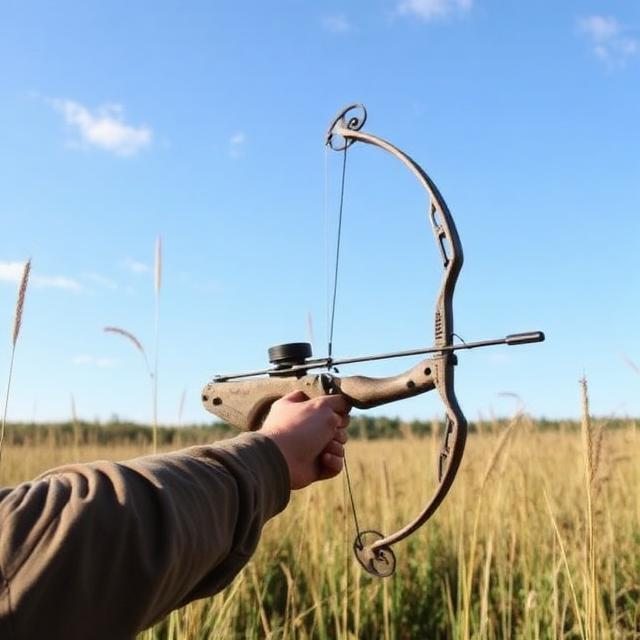
At its core, bow hunting a deer means harvesting a deer using archery equipment rather than firearms. Most commonly, that involves a compound bow, though recurve and traditional bows are still used by dedicated archers. The goal is the same as any ethical hunt: a clean, well placed shot that results in a quick recovery.
What makes bow hunting different is distance. Instead of shooting from hundreds of yards away, bow hunters typically work within twenty to forty yards. That closeness changes everything. You have to understand deer behavior. You have to manage your scent. You have to wait for the right angle and the right moment.
Many hunters choose bow hunting because it feels more personal and skill driven. It demands patience rather than speed. Observation rather than force. You are not just hunting deer. You are learning how deer live.
Bow seasons also tend to be longer than firearm seasons in many states. Wildlife agencies allow this because bows are more limited in range and success rates are lower. That gives bow hunters more time in the woods and more opportunities to learn.
If you are asking what bow hunting a deer is really about, the simple answer is this: it is about getting close, slowing down, and doing things the hard but rewarding way.
Is Bow Hunting a Deer Right for You?
Bow hunting looks exciting from the outside, but it is not for everyone. Before you invest time, money, and energy, it helps to be honest with yourself.
First, bow hunting requires practice. Not casual practice, but consistent shooting under different conditions. You need to be comfortable drawing your bow smoothly, anchoring correctly, and releasing without rushing. This is not something you learn the night before opening day.
Second, bow hunting demands patience. You may sit for hours without seeing a deer. When you do see one, you might not get a shot. Deer move quickly, and bow range is limited. Passing shots is part of ethical bow hunting.
Physical ability matters too, though not in the way people expect. You do not need to be an athlete, but you need enough upper body strength to draw and hold your bow comfortably. You also need the ability to sit still, climb into a stand safely, or move slowly through cover if you hunt from the ground.
There is also a mental side. Bow hunting a deer means accepting that success is not guaranteed. Missed shots happen. Deer get spooked. Sometimes you do everything right and still come home empty handed.
If you enjoy learning, problem solving, and being challenged, bow hunting may be a great fit. If you want quick results with minimal preparation, it may not be.
One thing I tell new hunters is this: if the idea of passing a deer because the shot does not feel right makes sense to you, you already have the right mindset.
Essential Gear for Bow Hunting a Deer
Gear matters in bow hunting, but more gear does not mean better hunting. The goal is reliable equipment that fits you well and does its job without distraction.
Let us start with the bow itself.
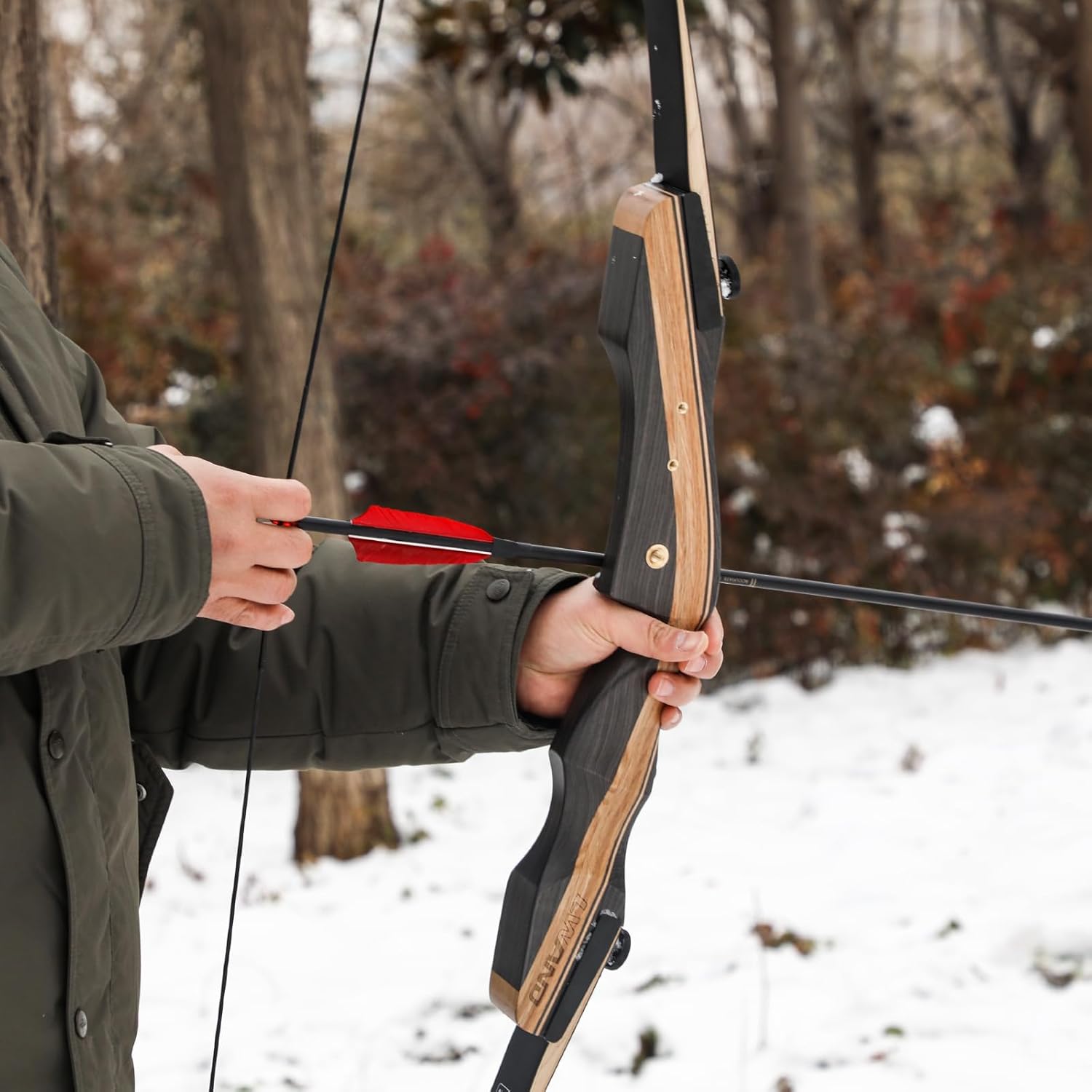
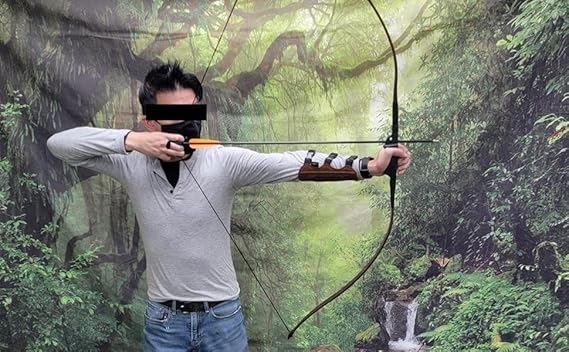
Most modern deer hunters use a compound bow. Compound bows use cams and cables to reduce holding weight, making it easier to aim steadily. Recurve and traditional bows can also be effective, but they require more experience and strength.
When choosing a bow, focus on fit before brand. Draw length and draw weight are critical. A bow that does not fit you will be hard to shoot accurately, no matter how expensive it is.
For most adult deer hunters, a draw weight between forty and sixty pounds is enough for ethical kills when paired with proper arrows and broadheads. Many states set minimum draw weight requirements, so always check local regulations.
Arrows are just as important as the bow. They need to match your draw weight and draw length. Too light and penetration suffers. Too heavy and trajectory becomes difficult to judge.
Broadheads deserve special attention. These are the blades that actually do the work. Fixed blade broadheads are known for reliability and penetration. Mechanical broadheads fly more like field points but require enough energy to open properly. Both can work when chosen carefully.
Beyond the bow and arrow, you will need a few essentials:
- A release aid for consistent shooting
- A well sighted bow sight
- A sturdy quiver
- Rangefinding ability, either through practice or a rangefinder
- Comfortable, quiet clothing suited to the season
To make this practical, here is a Bow Hunting a Deer Gear Checklist that new hunters often ask for.
Bow Hunting a Deer Essential Gear Checklist
| Gear Category | What to Look For | Why It Matters |
|---|---|---|
| Bow | Proper draw length and weight | Accuracy and comfort |
| Arrows | Spine matched to bow | Penetration and flight |
| Broadheads | Sharp and legal | Ethical kills |
| Release Aid | Comfortable fit | Consistent shots |
| Bow Sight | Clearly adjustable | Accurate aiming |
| Clothing | Quiet and weather appropriate | Staying undetected |
| Safety Gear | Harness or ground safety | Personal safety |
This checklist keeps things simple. You can add accessories over time, but these basics will carry you through your first seasons of bow hunting a deer.
As organizations like the National Bowhunter Education Foundation emphasize, proper equipment and practice go hand in hand when it comes to ethical archery hunting. Reliable gear supports good decisions. It does not replace them.
Understanding Deer Behavior for Bow Hunters
If there is one thing that separates successful bow hunters from frustrated ones, it is understanding how deer think and move. You can have perfect gear and still struggle if you do not understand deer behavior.
Deer survive by detecting danger early. Their senses are tuned for that single purpose.
A deer’s nose is its strongest defense. It can smell human scent from hundreds of yards away under the right conditions. This is why wind direction matters so much in bow hunting a deer. You are not just hunting where deer are. You are hunting where they cannot smell you.
Their eyes work differently than ours. Deer see movement extremely well, especially side to side motion. This is why slow, deliberate movements matter more than camouflage patterns. When a deer is close, freezing often works better than trying to hide.
Hearing is another advantage deer have. The sound of fabric brushing, a metal buckle tapping, or leaves crunching under a boot can end a hunt quickly. Quiet gear and careful steps are not optional at bow range.
Movement patterns are predictable once you learn them. Deer are creatures of habit. They bed, feed, and travel using the same routes unless pressured. Early season deer focus on food sources like crops, acorns, and green browse. During the rut, movement increases as bucks search for does. Late season deer prioritize calories and shelter.
Weather plays a role too. Cooler temperatures encourage movement. High winds can make deer nervous, while light rain often helps hide sound and scent. After pressure from other hunters, deer tend to move less during daylight and shift routes.
Bow hunting a deer becomes easier when you stop chasing random sightings and start anticipating where deer want to go next.
How to Scout Effectively for Bow Hunting a Deer
Scouting is where most of the work happens long before you ever draw your bow. Think of it as gathering information rather than hunting.
Start by learning to read sign. Tracks tell you direction and size. Trails show consistent movement between bedding and feeding areas. Rubs and scrapes reveal buck activity and travel corridors, especially as the season progresses.
Bedding areas are critical. Deer choose beds based on wind, cover, and visibility. Finding bedding does not mean hunting right on top of it. Instead, look for how deer enter and exit these areas. That is where ethical bow shots often happen.
Travel corridors are gold for bow hunters. These are narrow strips of land that naturally funnel deer movement. Fence gaps, creek crossings, ridge saddles, and edges between thick cover and open ground all concentrate deer activity.
Trail cameras can help, but they are tools, not magic. Place them where deer already move, not where you hope they will move. Use them to confirm timing and direction, not to replace observation.
One of the most overlooked parts of scouting is knowing when to stop. Excessive scouting during the season spreads scent and pressure. The best bow hunters gather information early, then hunt smart and light once the season opens.
Scouting with bow hunting in mind means asking one question over and over: where can I get within thirty yards without being detected? Find out more about bow hunting with crossbow for deer hunting.
Shot Placement and Ethics in Bow Hunting a Deer
This section matters more than any piece of equipment you will ever own.
Bow hunting a deer demands precise shot placement. Unlike firearms, arrows kill through blood loss and organ damage, not shock. A few inches can be the difference between a quick recovery and a long night of tracking.
The ideal shot is broadside. This gives you access to the heart and lungs while avoiding heavy bone. A slightly quartering away shot can also be ethical if you understand the angle and have practiced judging it.
Shots to avoid include straight on, straight away, and steep quartering angles. These shots reduce vital area access and increase the risk of poor penetration. Passing these shots is not weakness. It is responsibility.
Distance matters too. Even if you can shoot tight groups at fifty yards on the range, hunting is different. Elevated heart rate, uneven footing, and moving animals change everything. Most ethical bow hunters keep shots inside distances they can hit consistently every time.
After the shot, patience is critical. Watch where the deer runs. Listen for crashing. Note landmarks. Unless you clearly see the deer fall, wait before tracking. Pushing a wounded deer too soon can turn a recoverable animal into a lost one.
Ethical bow hunting is not about filling tags at any cost. It is about respect for the animal and confidence in your decisions. Organizations like state wildlife agencies and bowhunter education programs consistently emphasize shot discipline as the foundation of responsible archery hunting.
If you ever feel unsure, the right choice is always to wait.
How Close Is Close Enough in Bow Hunting a Deer?
One of the biggest adjustments new bow hunters make is learning what “close” really means. With firearms, distance often feels forgiving. With a bow, distance is personal.
For most hunters, effective bow range falls between twenty and forty yards. That range is not about what your bow can do. It is about what you can do consistently under pressure. Arrows drop quickly, and deer can react to the sound of the shot faster than most people expect.
At closer ranges, arrows arrive before a deer can move much. As distance increases, deer may drop or spin, turning a perfect shot into a poor one. This is why experienced bow hunters often wait for deer to step inside their comfort zone, even if that means passing a tempting opportunity.
Practicing at realistic distances is key. Shooting from an elevated position, wearing hunting clothing, and practicing from kneeling or awkward stances all help prepare you for real scenarios. Flat range practice is helpful, but it is not enough on its own.
Another part of range judgment is knowing your angles. A twenty yard shot from a tree stand is not the same as a twenty yard shot on flat ground. The horizontal distance matters more than the straight line distance.
Bow hunting a deer becomes far more ethical and effective when you set personal distance limits and stick to them every time.
Tree Stand vs Ground Hunting for Bow Hunting a Deer
There is no single right way to bow hunt a deer. Both tree stand and ground hunting have their place, and each teaches different skills.
Tree stands offer elevation, which helps with visibility and scent control. Being above a deer’s line of sight can give you a small advantage, especially in thicker cover. Tree stands also create consistent shot angles, which many hunters find easier to practice.
Safety is critical when using a tree stand. Always wear a safety harness and stay attached from the moment your feet leave the ground. Most serious hunting injuries happen in stands, not during the hunt itself.
Ground hunting brings you closer to the deer’s world. It demands careful movement, natural cover, and patience. Ground blinds can help, but many bow hunters prefer using terrain, shadows, and vegetation instead.
Still hunting, which involves slowly moving and glassing, can be effective in certain conditions, especially during cooler weather or in areas with good visibility. It is harder to master but incredibly rewarding.
Choosing between tree stand and ground setups often depends on terrain, deer behavior, and personal comfort. Many successful bow hunters use both methods depending on the situation.
The key is choosing setups that allow you to get close without being seen, heard, or smelled.
Scent Control and Wind Strategy for Bow Hunters
If bow hunting a deer had one golden rule, it would be this: hunt the wind, or do not hunt at all.
You can fool a deer’s eyes. You can sometimes beat its ears. You will almost never beat its nose.
Scent control is not about eliminating human scent completely. That is impossible. It is about reducing scent and keeping what remains away from deer travel routes.
Clean clothing helps, but overcomplicating scent routines often leads to false confidence. Focus more on wind direction and thermal movement than on sprays and gimmicks.
Wind direction tells you where your scent is going horizontally. Thermals tell you where it moves vertically. In the morning, cool air sinks. In the evening, warm air rises. These shifts matter in hill country and timbered areas.
Always plan entry and exit routes with wind in mind. Spooking deer on the way to your stand can ruin more than one hunt. It also educates deer quickly.
One of the hardest lessons in bow hunting is knowing when not to hunt. If the wind is wrong for your setup, it is better to wait. Hunting poor wind conditions teaches deer where danger comes from.
Bow hunting a deer rewards discipline. When you respect the wind, your success rate increases naturally.
Alright, let’s bring this home. These final sections are where experience really shows up, especially for new bow hunters trying to shorten the learning curve without cutting ethical corners.
What to Do After the Shot
The shot is not the end of the hunt. In many ways, it is the beginning of the most important part.
The moment you release an arrow, lock your eyes on the deer and stay focused. Watch how it reacts. A mule kick or hard sprint often suggests a heart or lung hit. A hunched run or slow walk can indicate a liver hit. The direction the deer runs matters, so pick a landmark and remember it.
If you see the deer fall within sight, give it time anyway. A few minutes of patience prevents unnecessary complications. If the deer runs out of view, resist the urge to climb down immediately.
For most lung hits, waiting thirty minutes is a good rule. For suspected liver hits, waiting six to eight hours is often the difference between recovery and loss. This advice is consistently supported by state wildlife agencies and bowhunter education programs because pushing a wounded deer can keep it moving until recovery becomes difficult.
When you begin tracking, move slowly. Look for blood, hair, disturbed leaves, and broken branches. Bright red blood with bubbles suggests lungs. Dark blood often means liver. Sparse blood does not always mean a bad hit, so stay focused and methodical.
Bow hunting a deer teaches patience like nothing else. Rushing this stage is one of the most common and costly mistakes hunters make.
Common Mistakes in Bow Hunting a Deer and How to Avoid Them
Every bow hunter has made mistakes. The goal is to learn from them before they cost you opportunities or animals.
One common mistake is rushing shots. When a deer steps into range, adrenaline spikes. Drawing too early, shooting through brush, or forcing an angle often leads to poor outcomes. Slow down. Let the deer settle. Wait for a clear lane.
Another mistake is overestimating effective range. Confidence from target practice does not always translate to hunting situations. Keep your personal distance limits realistic and conservative.
Ignoring wind is another issue. Many hunts fail before they start because the wind was wrong. Experienced bow hunters walk away from good looking stands if the wind does not cooperate.
Overhunting a spot can also educate deer quickly. Sitting the same stand too often leaves scent and pressure. Rotating setups and giving areas rest keeps deer patterns predictable.
Finally, skipping practice during the season hurts more than people realize. Shooting year round is ideal, but even a few arrows each week during the season helps maintain form and confidence.
Mistakes are part of learning. The key is recognizing them early and adjusting before they become habits.
Bow Hunting a Deer for Beginners: First Season Tips
If this is your first season bow hunting a deer, keep your expectations grounded.
Success in bow hunting is measured in learning as much as it is in harvested animals. Seeing deer, reading sign, and understanding why encounters happen are wins, even if no shot is taken.
Practice more than you think you need to. Practice from elevated positions. Practice with your hunting clothing on. Practice drawing slowly and holding at full draw.
Focus on one or two good setups instead of trying to hunt everywhere. Learn how deer move in those areas and let patterns develop.
Most importantly, be willing to pass shots. Passing shots builds confidence and discipline. It also keeps your standards high, which matters for ethical hunting.
Every experienced bow hunter remembers their first season. The lessons learned there shape everything that follows.
Legal and Safety Considerations When Bow Hunting a Deer
Regulations matter, and they vary by state. Always review current rules from your state wildlife agency before the season begins.
Pay attention to licensing requirements, season dates, and legal equipment standards. Many states set minimum draw weight and broadhead requirements for deer hunting. Ignoring these rules can result in fines and lost hunting privileges.
Safety deserves equal attention. Tree stand accidents are one of the leading causes of hunting injuries. Always use a full body harness and maintain three points of contact when climbing.
If you hunt public land, understand access rules and respect other hunters. Ethical behavior protects both people and the future of bow hunting.
Organizations like the International Bowhunter Education Program emphasize that safety and legality are inseparable from responsible hunting. Following the rules protects wildlife, land access, and hunters themselves.
Frequently Asked Questions About Bow Hunting a Deer
Is bow hunting a deer harder than gun hunting?
In many ways, yes. Bow hunting requires closer shots, better positioning, and more patience. That challenge is also why many hunters find it more rewarding.
How far can you ethically shoot a deer with a bow?
That depends on skill, equipment, and conditions. Most ethical shots happen inside forty yards, often much closer.
What is the best bow for hunting deer?
A bow that fits you properly is better than any specific brand. Comfort, consistency, and accuracy matter more than marketing.
Can beginners successfully bow hunt a deer?
Absolutely. With proper preparation, realistic expectations, and a willingness to learn, beginners can and do succeed every season.
Final Thoughts: Becoming a Better Bow Hunter Over Time
Bow hunting a deer is not about shortcuts or quick wins. It is about learning an animal, respecting the process, and making thoughtful decisions when it matters most.
You will have quiet sits. You will have close calls. You will replay shots in your head long after the season ends. That is part of the journey.
If you focus on preparation, discipline, and ethical choices, success follows naturally. Not always in the way you expect, but in ways that build confidence and skill over time.
Take what you have learned here into the woods. Move slowly. Pay attention. Trust your judgment.
That is how bow hunters grow, season after season.
