That restlessness you feel as summer fades? It’s time. But figuring out the deer hunting season Georgia, with its different zones and complex dates, can be more frustrating than a fogged-up scope. Forget the confusing forums. This is your straightforward, zone-by-zone guide to the 2025-2026 seasons, written by someone who’s tracked these woods for decades. We’ll cover the exact dates you can hunt, decode the regulations, and map out the strategies that actually work here. Let’s get you from planning to packing.
Understanding Georgia’s Deer Hunting Seasons
First things first: forget the idea of a single opening day. Georgia doesn’t do it that way, and for good reason. Deer density, herd health, and hunting pressure vary wildly from the mountainous north to the agricultural coastal plains. A one-size-fits-all season would be a disaster for management. Instead, the state’s biologists use seasons as a precision tool.
Think of it like this: you wouldn’t use the same recipe for grilling a steak and slow-cooking a brisket. The state manages its deer herd with that same thoughtful approach, adjusting the “heat” and “time” (the seasons and bag limits) based on the local conditions.
Why Season Dates Vary: The Role of Management Zones
This zonal system is the backbone of deer management here. It’s not meant to be complicated; it’s meant to be effective. By splitting the state into areas with similar deer populations and landscape characteristics, the Georgia DNR’s Wildlife Resources Division can set rules that help grow healthy deer, maintain balance, and provide the best hunting opportunities possible.
For example, the fertile soils and extensive agriculture of the Lower Coastal Plain (what many just call “South Georgia”) can support more deer and different harvest goals than the steep, forested ridges of the Blue Ridge region. Longer seasons or different antler restrictions in one zone aren’t about giving someone an advantage, they’re about matching the strategy to the specific herd’s needs. Getting your head around this concept is the first step to becoming a smarter, more successful Georgia hunter.
Official 2025-2026 Georgia Deer Season Dates at a Glance
Alright, let’s talk concrete dates. These are set by the Georgia DNR and are your official roadmap. I always recommend double-checking the regulations guide right before season, but this table gives you the reliable framework to start planning your hunts. Notice how the seasons stack, with archery opening first, then primitive weapons, and finally firearms.
Georgia Deer Season Dates: 2025-2026
(Dates are inclusive. Always verify with official Georgia DNR regulations.)
| Zone | Archery Season | Primitive Weapons Season | Firearms Season |
|---|---|---|---|
| Zone 1 (Northern) | Oct. 12 – Jan. 5 | Oct. 19 – Jan. 5 | Oct. 26 – Jan. 5 |
| Zone 2 (Southern) | Oct. 12 – Jan. 5 | Oct. 19 – Jan. 5 | Oct. 26 – Jan. 5 |
| Zone 3 (Central) | Oct. 12 – Jan. 5 | Oct. 19 – Jan. 5 | Oct. 26 – Jan. 5 |
| Zone 4 (Coastal) | Oct. 12 – Jan. 5 | Oct. 19 – Jan. 5 | Oct. 26 – Jan. 5 |
| Zone 5 (Southwest) | Oct. 12 – Jan. 5 | Oct. 19 – Jan. 5 | Oct. 26 – Jan. 5 |
| Zone 6 (Northwest) | Oct. 12 – Jan. 5 | Oct. 19 – Jan. 5 | Oct. 26 – Jan. 5 |
| Urban Archery | Sept. 14 – Oct. 11 & Jan. 6-31 | Not Applicable | Not Applicable |
Pro Tip: “Urban Archery” seasons exist in specific counties and municipalities to help control deer populations in developed areas. These are strictly archery-only and have their own set of local ordinances. Never assume; always contact the local city or county government for the specific rules where you plan to hunt.
Key Season Definitions: Archery, Primitive Weapons, and Firearms
This is where some folks get tripped up, but it’s simple once you break it down. Each season type defines the legal tool you can use.
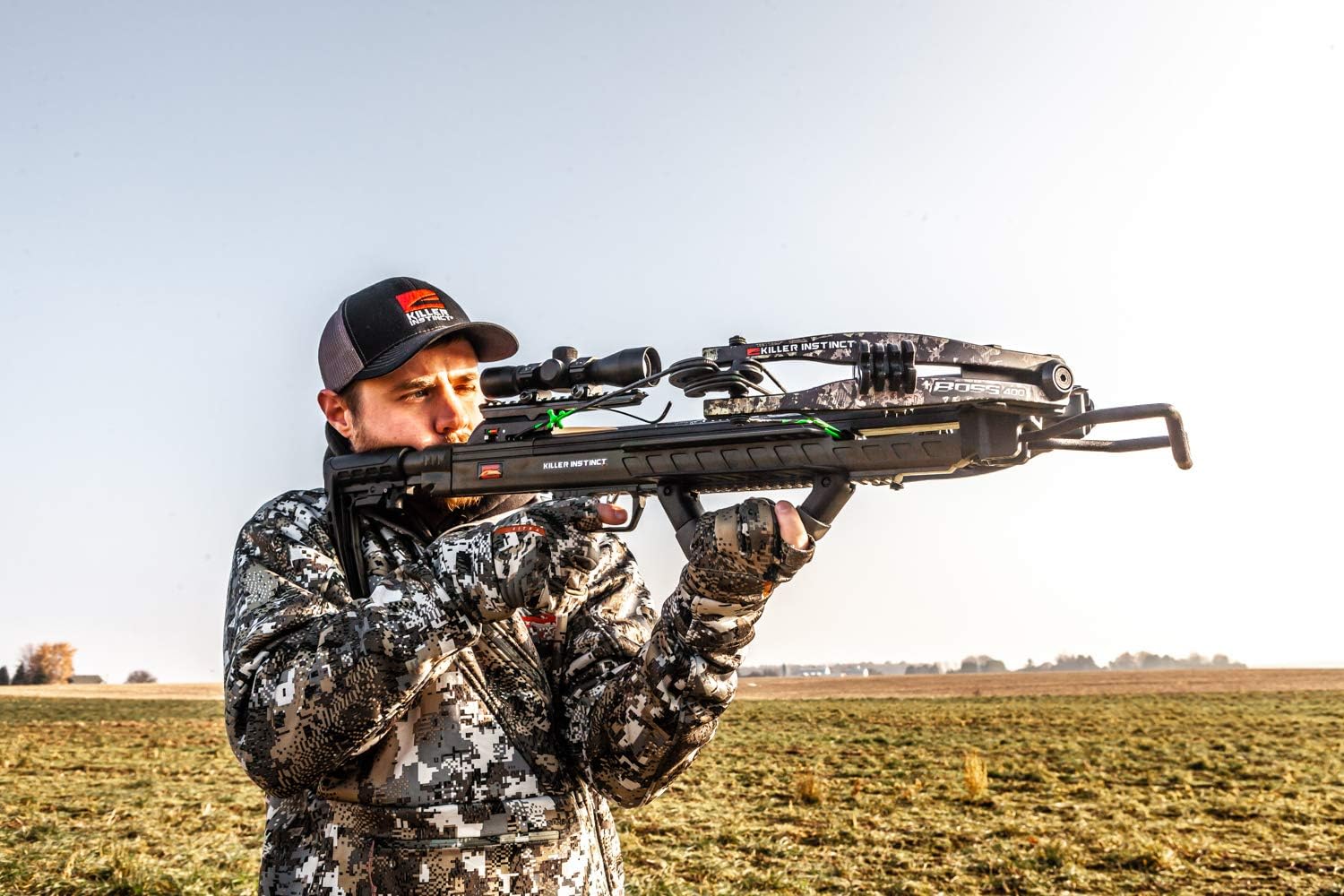
Archery Season means just that: equipment that launches an arrow via a string. Crossbows are included in this season statewide. It’s the longest season, offering a quiet, low-pressure way to catch deer in their early fall patterns.
Primitive Weapons Season often called “muzzleloader” season is next. In Georgia, this includes muzzleloading firearms .44 caliber or larger, archery equipment (so you can still use your bow), and certain specific airbows. This season is a fantastic bridge period, often catching the very beginning of the pre-rut in many zones.
Firearms Season is when centerfire rifles, shotguns with slugs, muzzleloaders, and archery equipment are all legal. This is the most accessible season and brings the highest hunter participation. Your strategies will need to adapt to the increased pressure in the woods.
The beauty of this system? As a hunter, you have options. You can specialize in one method, or you can enjoy the unique challenge and opportunity each season window presents.
Navigating Georgia’s Deer Hunting Zones & Regulations
Now, let’s get into the real nitty-gritty: where you hunt determines not just when, but how you hunt. Knowing your zone is as critical as knowing your stand location.
Georgia Deer Zone Map Explained (Northern vs. Southern Zone)
While Georgia has several detailed wildlife management zones, the most critical split for every deer hunter to understand is the Northern Zone vs. Southern Zone divide. This isn’t about north and south of Atlanta in a simple sense; it’s a biological boundary set by the DNR, roughly along a line running from Columbus to Macon to Augusta.
Here’s the lowdown:
- The Northern Zone: This area generally has a shorter, more intense rut period, typically peaking in mid-to-late November. The terrain is more varied, think mountains, ridges, and river bottoms. The state often manages for older age-class bucks here, which is reflected in the regulations.
- The Southern Zone: Here, the rut can be more prolonged and often occurs later, from late December into January. The land is flatter, with vast expanses of pine plantations, agricultural fields, and swamp bottoms. Deer densities can be higher, and the management strategies sometimes focus on different harvest goals.
You must know which zone your hunting property is in. It dictates your antler restrictions and “either-sex” days. A quick check on the Georgia DNR’s interactive map is the best way to be 100% sure.
Bag Limits and Antler Restrictions by Zone
This is the part that protects our deer herd’s future. The rules might seem fiddly, but they’re designed for sustainability. Let’s translate them into plain English.
Statewide Bag Limit: You can harvest up to 10 antlerless deer and up to 2 antlered bucks for the season. But, and this is a big but, you cannot exceed the county or property limits. Always check the specific regulations for your county.
Now, for the buck rules. This is where the Northern/Southern zone split hits home:
- Northern Zone (Zones 1, 2, 5, 6): Your two antlered bucks must have a minimum of 4 points, one inch or longer, on one side of the antlers. This is the classic “4-points-on-one-side” rule aimed at letting younger bucks mature.
- Southern Zone (Zones 3, 4, 9, 10): At least one of your two antlered bucks must have a minimum outside antler spread of 15 inches or greater. The other buck must either also meet the 15-inch spread rule OR have at least 4 points, one inch or longer, on one side. This “spread” rule is a bit trickier and teaches hunters to judge age and antler width in the field.
Either-Sex Days: These are the specific days when you can harvest a doe. They are not the same everywhere! In the Northern Zone, most either-sex days are concentrated around the rut in November and December. In the Southern Zone, they often come in later, around January. Your regulation guide has a county-by-county chart, this is mandatory reading. Shooting a doe on a “buck-only” day is a serious violation.
Public Land Opportunities: WMAs and National Forests
Some of Georgia’s best hunting adventures happen on its public lands. We’re talking about over one million acres in Wildlife Management Areas (WMAs) and National Forests. Hunting these spots requires a different mindset than private land, but the reward is access to incredible territory.
WMAs are managed by the Georgia DNR and often have specific quota hunts, sign-in hunts, or seasons that differ slightly from the general state dates. You’ll need a WMA License in addition to your regular hunting license. The key here is research. The DNR’s hunting regulations guide details every WMA’s specific seasons, any drawn hunt requirements, and special rules. Places like Ocmulgee, Cedar Creek, or Chickasawhatchee offer fantastic opportunities.
National Forests like Chattahoochee-Oconee operate more on the general state seasons but have their own set of regulations regarding road use, camping, and designated hunting areas. Scouting is paramount here, as you’re often dealing with vast, unbroken timberland. Finding those hidden food sources, a secluded white oak ridge, a persimmon flat, is the secret.
Hunting public land in Georgia isn’t about luck. It’s about preparation, scouting, and often, a willingness to hike further in than the next person. The solitude and challenge are worth every step.
Preparing for Your Georgia Deer Hunt: Licenses, Tags, and Safety
Let’s get the paperwork and prep out of the way. I know, it’s not as exciting as talking about rut strategies, but trust me, there’s no feeling worse than having a deer on the ground and realizing you’ve made a clerical error. A clean, legal harvest starts long before you step into the woods. Here’s your pre-flight checklist.
Mandatory Licenses, Big Game Permits, and Harvest Record
Don’t let this confuse you. The system is straightforward once you run through it. Here’s what you need, no matter what:
- A Georgia Hunting License: This is your base license. You can buy this online, at any major retailer, or at DNR offices. Options include annual licenses for residents and non-residents, short-term licenses, and even lifetime licenses.
- A Big Game License: This is an add-on that allows you to hunt deer, bear, and turkey. You cannot legally harvest a deer without this. It’s often bundled in packages like the “Sportsman’s License,” which is a killer deal if you fish and hunt other game.
- A Harvest Record: This is critical. This isn’t a tag you attach to the deer in the field (that comes later). This is a paper or digital log, you can use the official paper one from the regulations guide or the GA DNR’s official app. Before you move your deer from the spot it fell, you must enter the date and county of harvest on your harvest record. It’s the first step of the process and your personal legal log.
Think of it like this: Your Hunting License is your driver’s license. Your Big Game License is your endorsement to drive a semi-truck. Your Harvest Record is your trip log. You need all three before you start the engine.
Completing the Harvest: Mandatory Game Check Process
This is where Georgia’s system is modern and efficient. After you’ve filled out your personal harvest record, you have to report the deer to the state. This “game check” provides the biological data that managers use to set the very seasons and limits we’re talking about. You have 24 hours to do this.
You’ve got three easy ways:
- Phone: Call 1-800-366-2661
- Online: Go to the Georgia DNR Game Check website.
- App: Use the official GA DNR app (this is the easiest method in the field).
You’ll get a unique confirmation number. Write this number on your paper harvest record if you use one. Now, here’s the part for the deer: you must create a “Game Check Tag.” This is simply a piece of paper (a sticky note, a piece of masking tape) with your name, the date of harvest, and that confirmation number. Attach it to the deer until it’s processed. This tag stays with the meat or carcass until it’s fully butchered.
Essential Safety and Ethical Hunting Practices
This is the non-negotiable stuff, the code we hunt by. It’s what keeps you, others, and the tradition itself safe.
- Treestand Safety: This is the #1 cause of serious injury for hunters. Every single time, use a full-body fall arrest system (harness). Connect it from the moment you leave the ground until you’re back down. Check your straps, bolts, and ladder sections for wear before the season. A $100 harness is the best investment you’ll ever make.
- Blaze Orange is Not Optional: During firearms season, you must wear at least 500 square inches of blaze orange above the waist, including a head covering. During primitive weapons season, it’s 200 square inches. Just wear it. It makes you a responsible, visible hunter. I wear an orange hat even during archery season on public land.
- Positive Identification: Never put a crosshair or pin on a sound or a movement. See the animal clearly. Know exactly what’s behind it. The ethical rule is simple: if you have any doubt about the shot, the animal’s position, the distance, your ability to make a clean kill, you let it walk. There will always be another opportunity. Wounding a deer is the worst failure.
- Landowner Relations: If you’re on private land, your permission slip is your most valuable piece of gear. Be respectful, follow their rules to the letter, and always, always offer to share the harvest. A thank-you note or a pack of sausage goes a long way toward securing that permission for next year.
Tactical Strategies for Georgia’s Deer Seasons
Okay, now for the good part. Dates and rules are the map. This is how you navigate the terrain. Georgia’s long season means the deer change their behavior dramatically from October to January. Your approach has to change with them.
Early Season (Archery): Beating the Heat and Finding Patterns
Those early October sits can be brutally hot and buggy. Deer aren’t moving much during the day. The key here is patience and pattern. Focus on two things: food and water.
Forget the deep woods for now. Scout the edges of late-summer food sources, persimmon groves, overgrown orchards, or the last of the soybeans. Find a reliable water source, like a secluded pond or creek crossing, in a thicket close to a food plot. Deer will hit water before feeding in the evening.
Set up downwind, get high to disperse your scent, and be prepared for short, last-light movement. This is a game of inches and patience. The bucks are still in their summer groups, and their racks are freshly velvet-free. It’s a magical time to be in the woods, but you have to be a ghost.
Rut Hunting Strategies: Timing the Peak for Your Zone
The rut changes everything. It’s the great equalizer. As that deer hunting season in Georgia progresses into November and December, bucks throw caution to the wind. But remember what we said about zones.
- Northern Zone: Your peak chasing activity will likely hit around mid-to-late November. This is when all-day sits pay off. Hunt the does. Find where the does are feeding and bedding, and set up on the downwind funnels between them. Rattling and grunting can be highly effective during this brief, intense window.
- Southern Zone: Down here, you might not see the peak until late December or even early January. Don’t get frustrated if November feels slow. Focus on staging areas near major food sources in the afternoons. As the colder weather hits and the does come into estrus, the big, swamp-dominant bucks will finally start moving during legal shooting light.
In both zones, scrapes become major communication hubs. Setting up on a fresh, active community scrape line (especially one near thick cover) during the pre-rut can be a golden ticket.
Late Season Pressure: Hunting Food Sources and Sanctuary Areas
By the time January rolls around, the woods have been hunted hard. The deer, especially the mature survivors, are nocturnal, skittish, and locked onto one thing: calories. They’re trying to recover from the rut and survive the winter.
Your strategy must shift to extreme low-impact hunting. Find the most secure, thickest bedding sanctuary on your property, the nasty blowdown, the briar-choked creek bottom they’ve been pushed into. Then, identify the single most reliable food source nearby. In the South, this is often a standing crop like winter wheat or a brassica plot that’s sweetened after frost.
Don’t hunt the sanctuary. Don’t even look at it. Instead, hunt only the downwind edge of that food source, as close to the sanctuary as you can get without spooking deer in their beds. Use the coldest, windiest days when deer are forced to move during daylight to feed. One well-planned sit in late season can be more productive than ten rushed hunts.
Making the Most of Georgia’s Extended Hunting Opportunities
Georgia gives you a long runway. Don’t just show up for firearms season. Some of the best hunting happens on the edges.
The Value of Archery and Primitive Weapons Seasons
These early and mid-season windows are gifts. The woods are quiet. The pressure is minimal. Deer are in predictable, food-based patterns. Archery season allows you to hunt that early rutting activity in the Northern Zone in November without the crowd. Primitive Weapons season (muzzleloader) is my personal favorite. You get many of the benefits of archery, less pressure, a closer-range challenge, but often during a period of increasing deer activity as temperatures drop. It’s the perfect bridge.
Youth and Special Opportunity Hunts
If you know a young hunter or are one yourself, take advantage of Georgia’s Youth Hunting Days. These are special weekends before the general firearms season opens where only youth (and their supervising adult) can hunt. It’s an incredible way to introduce someone to the sport with less pressure and more action. The dates are in the regulations guide, mark your calendar.
There are also managed hunts for disabled veterans and others. These are incredible programs. Check the DNR website for details and application windows.
Final Checklist and Authoritative Resources
Let’s wrap this up with a clear path forward. Here’s my custom, field-tested checklist. Print it, stick it in your gear bag, and run through it before the season.
Georgia Deer Hunter’s Pre-Season Readiness Checklist
| Category | Task | ✅ Check |
|---|---|---|
| Legal & Admin | Purchase current Georgia Hunting License | |
| Purchase Big Game License | ||
| Locate/Print Harvest Record (or install DNR app) | ||
| Study Zone Map & confirm county regulations | ||
| Note either-sex days for your county | ||
| Secure/Permit for Hunting Land | ||
| Gear & Safety | Inspect Treestands & Replace Worn Cables/Straps | |
| Pack Full-Body Safety Harness & Lifeline | ||
| Sight-in Firearm/Muzzleloader/Bow | ||
| Wash Gear in Scent-Free Detergent & Store in Airtight Bin | ||
| Organize Pack: Thermacell, Knife, Drag Rope, Light | ||
| Purchase Blaze Orange Vest & Hat (500 sq in for firearms) | ||
| Scouting & Prep | Check/Refresh Trail Cameras (Minimize Visits) | |
| Identify Primary Food Sources & Water for Early Season | ||
| Locate Funnels & Scrapes for Rut Sets | ||
| Plan Late-Season Access to Sanctuaries & Food | ||
| Finalize Stand Locations Based on Wind Forecasts | ||
| Post-Harvest | Know the 24-Hour Game Check Process | |
| Have Tag-Making Materials (Pen, Paper, Tape) Ready | ||
| Confirm Processor Contact or Butchering Setup |
Staying Updated: Official Resources from Georgia DNR Wildlife Resources Division
My word is based on experience, but the law is the law. Always, always defer to the official source. Your bible for the season is the Georgia Hunting Seasons and Regulations Guide. Get the PDF online or pick up the booklet. Bookmark the Georgia DNR Wildlife Resources Division website. Follow their social media for urgent updates. They are the definitive source.
Conclusion: Plan, Prepare, and Enjoy Georgia’s Deer Heritage
Look, we covered a lot of ground here. From zones to dates, licenses to late-season tactics. It might seem like a lot, but it all boils down to a simple approach: respect the animal, know the rules, and hunt with a plan.
Georgia offers an incredibly long and diverse deer season. Don’t try to tackle it all at once. Pick a phase that excites you, maybe it’s the quiet challenge of October archery, the all-day adrenaline of the November rut, or the gritty persistence of a January food plot hunt. Master that piece of it.
The most important thing is to get out there. Spend time in the woods. Learn something new every sit. Whether you fill a tag or just fill your memory card with trail cam pics, it’s all part of the hunt. Stay safe, hunt ethically, and here’s to seeing you out there this season. Good luck.
