
If you have ever been sitting on a cold stand and suddenly heard a pack of hounds open up in the distance, you already know why people are curious about deer hunting with dogs. It is loud, fast paced, emotional, and deeply rooted in hunting tradition. Some hunters swear by it. Others argue against it. So what is deer hunting with dogs really about, and why does it still matter today?
In simple terms, deer hunting with dogs is a legal hunting method in certain states where trained dogs are used to trail and move deer toward waiting hunters. It is regulated, highly structured, and far more controlled than most outsiders realize. By the end of this guide, you will understand how it works, where it is legal, and whether it is something you should support or take part in yourself.
What Is Deer Hunting With Dogs?
At its core, deer hunting with dogs is exactly what it sounds like, but the details matter.
Instead of sitting quietly and waiting for a deer to wander by, hunters use trained dogs to locate and trail deer through thick cover. The dogs do not attack the deer. Their job is to follow scent, apply pressure, and keep the animal moving. Other hunters, often called standers, are positioned ahead of time along known travel routes.
When done correctly, it is organized, intentional, and surprisingly disciplined.
How Dog Driven Deer Hunting Works in Practice
A typical hunt starts long before the dogs ever touch the ground. Hunters study the land, check wind direction, and agree on boundaries. Dogs are released only in approved areas, usually large tracts of land where everyone involved has permission to hunt.
Once released, the dogs pick up a fresh deer track and begin trailing. As the deer moves, the sound of the dogs alerts standers that something is coming their way. Shots are taken only when the hunter has a clear, legal opportunity.
Contrary to popular belief, the goal is not chaos. The goal is controlled movement.
Why Hunters Use Dogs Instead of Still Hunting
In thick swamps, cutovers, pine plantations, and briar choked bottoms, still hunting is often impractical. Visibility is poor, deer densities can be high, and recovery after the shot can be difficult.
Dog driven hunts help:
- Move deer out of heavy cover
- Increase recovery rates
- Manage deer populations in hard to hunt terrain
This is why the method remains common in parts of the Southeast, where land and habitat make other techniques less effective.
Common Misconceptions About Deer Hunting With Dogs
Most criticism of deer hunting with dogs comes from misunderstanding.
One common myth is that dogs run deer until they collapse from exhaustion. In reality, deer are built for endurance. When pressured, they often circle back through familiar routes, which is exactly what experienced hunters expect.
Another misconception is that dog hunters do not care about safety or property lines. In truth, modern dog hunting relies heavily on GPS tracking, strict rules, and accountability. Poorly run hunts give the entire method a bad reputation, but they are not the norm.
Is Deer Hunting With Dogs Legal?
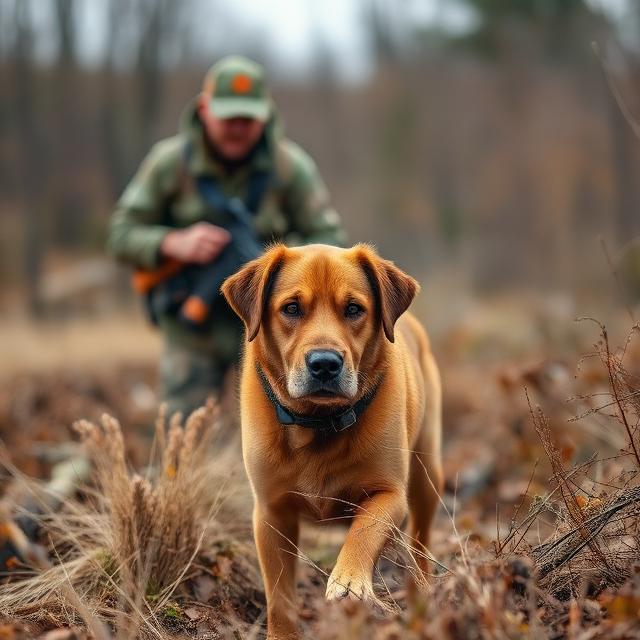
This is usually the first real question people ask, and for good reason.
The legality of deer hunting with dogs depends entirely on where you are standing.
Some states allow it widely. Others ban it outright. Many fall somewhere in between with strict limitations.
States Where Deer Hunting With Dogs Is Allowed
Dog deer hunting is still legal in parts of:
- Virginia
- North Carolina
- South Carolina
- Georgia
- Florida
- Alabama
Even in these states, it is often limited to specific counties, seasons, or private land only. Public land rules are usually much stricter.
States Where It Is Restricted or Banned
Many states in the Midwest and West prohibit the use of dogs for deer hunting entirely. These bans often stem from land fragmentation, higher hunter density, and public safety concerns.
Even within legal states, local ordinances can override state allowances. That is why checking county level regulations matters just as much as reading state law.
Why Regulations Vary So Widely
There is no single reason, but a few factors stand out:
- Property size and ownership patterns
- Deer population density
- Public perception and hunting pressure
- Historical hunting traditions
In regions with large, contiguous private land, dog hunting fits more naturally. In areas with small parcels and heavy public use, conflicts rise quickly.
Licenses, Permits, and Land Access Requirements
Most states that allow deer hunting with dogs require:
- A valid hunting license
- Legal deer tags
- Explicit landowner permission
- Compliance with dog identification rules
Some states also require dogs to wear visible collars or identification plates. Others mandate GPS tracking to prevent trespass issues.
Always verify current regulations with your state wildlife agency before hunting. Rules change, and ignorance is not a defense.
The History and Tradition of Deer Hunting With Dogs
To understand why this method still exists, you have to look backward.
Deer hunting with dogs did not start as a controversial technique. It started as a practical one.
Origins of Dog Driven Deer Hunting in North America
Long before tree stands and trail cameras, hunters relied on dogs to locate game. Early settlers used hounds to hunt deer, bear, and hogs because dense forests made visibility almost impossible.
Dogs were tools, partners, and often the difference between feeding a family and going hungry.
Cultural Significance in Southern and Eastern States
In many rural communities, dog hunting is more than a hunting method. It is a social tradition passed down through generations.
Hunters talk about:
- Family dog lines
- Handmade tracking collars
- Camps that have been used for decades
This deep cultural connection explains why debates around deer hunting with dogs can become emotional. To some, banning it feels like erasing part of their identity.
How Modern Regulations Changed Traditional Practices
As land ownership patterns changed, so did the rules.
Smaller properties, more non hunting neighbors, and rising safety concerns forced states to regulate dog hunting more tightly. GPS collars replaced bells. Posted boundaries became serious legal lines. Ethical expectations increased.
Today’s responsible dog hunters operate in a very different world than their grandfathers did, even if the heart of the tradition remains the same.
Quick Reference Fact Sheet: Deer Hunting With Dogs
| Topic | Key Facts |
|---|---|
| Purpose | Move deer from thick cover toward standers |
| Dog Role | Trail and pressure, not attack |
| Legal Status | Allowed only in specific states and regions |
| Land Type | Mostly private land, limited public access |
| Technology | GPS collars widely used |
| Main Controversy | Property lines, ethics, public perception |
This fact sheet is often cited by wildlife agencies and hunting education programs to explain the basics clearly and objectively.
How Deer Hunting With Dogs Actually Happens in the Field
This is the part most people never see, and honestly, it is where opinions usually change. A well run dog hunt looks nothing like the chaos people imagine.
It is planned, calm, and methodical.
The Role of the Dog Handlers
Handlers are the backbone of deer hunting with dogs. These are not folks who just turn dogs loose and hope for the best. Experienced handlers know their dogs, the land, and the deer movement patterns better than most still hunters ever will.
Before dogs are released, handlers:
- Confirm land boundaries
- Coordinate with standers
- Check wind direction
- Decide which dogs to use and how many
Good handlers do not overrun an area. They release only enough dogs to move deer without blowing them out of the country.
How Dogs Track, Trail, and Move Deer
Deer dogs are trained to follow scent, not sight. That matters.
When a dog opens up on a track, it is usually a fresh trail. The dogs push the deer just enough to keep it moving, but not panicked. Most deer respond by circling, using familiar trails, and slipping through cover they already know.
That predictability is exactly why standers are effective.
A deer pushed by dogs often moves at a steady trot, not a full sprint. That creates ethical shot opportunities when hunters are positioned correctly.
Standers vs Drivers Explained
In dog driven deer hunting, hunters fall into two main roles.
Drivers are the handlers working the dogs.
Standers are hunters placed along roads, lanes, or known crossings.
Standers do not chase deer. They wait. Communication between drivers and standers is constant, often by radio or phone. Everyone knows where dogs are running and which direction deer are likely headed.
This teamwork is what separates responsible dog hunting from reckless behavior.
A Typical Hunt Timeline
A clean dog hunt usually follows this rhythm:
- Early morning setup and positioning
- Dogs released mid morning
- Short, controlled runs
- Shots taken only when safe and legal
- Dogs called off once deer exit the block
Most runs last minutes, not hours. Long, uncontrolled chases are a sign of poor management, not good dog work.
Best Dog Breeds for Deer Hunting With Dogs
People love to argue about breeds, but here is the truth from someone who has owned, trained, and hunted behind a lot of dogs.
Breed matters far less than training, control, and temperament.
Hounds vs Curs: Key Differences
Most deer hunting dogs fall into two broad categories.
Hounds are known for their noses and voices. They trail scent patiently and announce every move.
Curs tend to be tighter working dogs, often quieter and more responsive to handlers.
Neither is better across the board. Each shines in different terrain and hunting styles.
Popular Breeds Used for Deer Hunting
Some of the most commonly used breeds include:
- Treeing Walker Hounds
- Plott Hounds
- Black and Tan Hounds
- Mountain Curs
- Leopard Curs
Many serious dog hunters run mixed packs, choosing dogs based on performance rather than pedigree.
Traits of a Good Deer Dog
A solid deer dog shares a few key traits:
- Strong nose
- Consistent voice or track style
- Good endurance
- Natural drive
- Willingness to handle and recall
The best dogs are not the fastest. They are the smartest.
Why Training Matters More Than Breed
An untrained dog can ruin a hunt, cross property lines, or cause legal trouble fast. A well trained dog knows when to run, when to check up, and when to come back.
Most veteran hunters would rather hunt behind an average dog with excellent control than a gifted dog that will not listen.
Training Dogs for Deer Hunting
This is where patience separates serious hunters from weekend experimenters.
Training a deer dog is a long process, not a shortcut.
Starting Young vs Training Adult Dogs
Starting pups young gives you more control over habits and obedience. That said, some adult dogs transition into deer work successfully if they already have strong trailing instincts.
What matters most is consistency.
Basic Obedience and Control Commands
Before a dog ever runs deer, it should know:
- Recall
- Load up
- Stay
- Kennel
Control keeps dogs safe and keeps hunters legal. GPS collars help, but they are not a substitute for obedience.
Teaching Dogs to Trail Deer Responsibly
Responsible training focuses on:
- Encouraging clean deer tracks
- Discouraging trash running
- Calling dogs off roads and boundaries
Many handlers use controlled releases and short runs to build discipline.
Avoiding Common Training Mistakes
Some of the biggest mistakes include:
- Running too many dogs too early
- Ignoring boundary issues
- Allowing uncontrolled chasing
- Skipping obedience work
Poor training creates bad habits that are hard to fix later.
Ethics and Controversy Around Deer Hunting With Dogs
This is where opinions get strong, and it is also where experience matters most. I have learned over the years that most arguments about deer hunting with dogs are not really about dogs at all. They are about trust, control, and respect.
When those things are missing, the method looks bad. When they are present, the hunt is just another legal, ethical way to harvest deer.
Why Some Hunters Oppose the Practice
The most common concerns sound like this:
- Dogs push deer onto neighboring property
- Hunters lose control of where deer run
- Non hunters feel unsafe or disrespected
- The hunt feels unfair to the animal
Some of these concerns come from real past problems. Others come from stories passed along without context. Both deserve honest attention.
Fair Chase Concerns Explained
Fair chase is not about how quiet a hunt is. It is about whether the animal has a reasonable chance to escape.
In dog driven deer hunting, deer are not cornered or trapped. They move through large areas of cover, often circling back or slipping through gaps standers never see. Many runs end with no shot at all.
Wildlife agencies that still allow this method do so because data shows deer populations remain healthy when seasons and limits are respected. The Boone and Crockett Club, often referenced in fair chase discussions, emphasizes legality, restraint, and respect rather than one specific hunting style.
Ethical Standards Responsible Dog Hunters Follow
Ethical dog hunters hold themselves to high standards:
- Dogs are tracked and recalled
- Shots are taken only with clear backstops
- Boundaries are respected
- Landowners are communicated with openly
- Dogs are recovered quickly after runs
These standards are not optional if the tradition is going to survive.
How to Hunt With Dogs Respectfully and Legally
Respect comes down to preparation. Know your land. Know your dogs. Know your neighbors.
Most conflicts happen when hunters assume instead of communicate. The best dog hunters I know spend as much time talking with landowners and neighboring hunters as they do running dogs.
Safety Considerations for Hunters, Dogs, and the Public
Safety is not a side topic in deer hunting with dogs. It is the foundation.
One careless decision can damage the reputation of everyone involved.
Preventing Dog Related Accidents
Dogs are most vulnerable around roads and during low light conditions. Responsible handlers:
- Avoid running near highways
- Use reflective collars
- Call dogs off unsafe areas quickly
Modern GPS systems allow handlers to see exactly where each dog is, reducing risk significantly.
Visibility, Tracking, and Identification
High visibility gear is no longer optional. Most hunters use:
- Bright collars on dogs
- GPS tracking units
- Identification tags with contact information
Some states require this by law, others by common sense.
Handling Boundary Issues and Private Land
Dogs do not understand property lines, but handlers must. This means planning runs that keep dogs within large blocks of permitted land and calling them off immediately if they drift.
Respecting boundaries builds goodwill and keeps dog hunting legal.
Interacting With Non Hunters and Landowners
Not everyone you encounter will understand dog hunting. Calm conversation goes a long way.
When hunters explain what is happening and show respect, conflicts often dissolve. When they ignore concerns, problems escalate fast.
Gear and Equipment Used in Deer Hunting With Dogs
Good gear does not replace good judgment, but it supports it.
GPS Tracking Systems and Collars
This is the single biggest advancement in modern dog hunting. GPS collars allow handlers to:
- Track dog movement in real time
- Prevent boundary violations
- Recover dogs faster
- Monitor run length and behavior
Most experienced handlers consider GPS tracking essential.
Protective Gear for Dogs
In thick cover, dogs face cuts, snakes, and rough terrain. Many handlers use:
- Cut resistant vests
- Tracking collars with protective housings
- First aid kits specifically for dogs
Healthy dogs hunt better and longer.
Communication Tools for Handlers and Standers
Clear communication prevents unsafe shots. Radios or phones keep everyone aware of:
- Dog location
- Deer movement
- When runs begin and end
No one should ever be guessing.
Firearms and Shot Placement Considerations
Shots during dog hunts often happen quickly. This demands discipline. Ethical hunters wait for:
- Clear visibility
- Safe backgrounds
- Broadside opportunities
Rushed shots lead to wounded deer and bad outcomes.
Pros and Cons of Deer Hunting With Dogs
Like any hunting method, this one has strengths and weaknesses.
Advantages
- Effective in thick cover
- High deer recovery rates
- Strong tradition and community involvement
- Useful for population management
Challenges
- Legal restrictions
- Public perception issues
- Requires teamwork and coordination
- Greater responsibility for dog control
Understanding both sides helps hunters make informed decisions.
Deer Hunting With Dogs vs Still Hunting
Neither method is better across all situations. They serve different purposes.
Skill Sets Required
Still hunting rewards patience, stealth, and observation. Dog hunting rewards planning, communication, and dog handling skills.
Both require discipline.
Success Rates and Terrain
In dense cover, dog hunting often produces more sightings. In open hardwoods or agricultural edges, still hunting may be more effective.
Choosing the Right Method for Your Goals
Your land, your regulations, and your personal ethics should guide the choice, not outside pressure.
Is Deer Hunting With Dogs Right for You?
This is a fair question, and the answer is not the same for everyone.
Questions to Ask Yourself
- Is it legal where I hunt?
- Do I have access to enough land?
- Am I willing to invest time in training and control?
- Can I commit to ethical standards?
If any answer gives you pause, it is worth slowing down.
Experience Level and Time Commitment
Dog hunting is not a shortcut. It takes time, learning, and responsibility. Those who rush into it often regret it.
Legal, Ethical, and Land Access Factors
These three factors matter more than gear or dogs. Without them, nothing else works.
Frequently Asked Questions About Deer Hunting With Dogs
Does deer hunting with dogs stress deer?
Short runs do not cause long term harm when managed properly, according to state wildlife agencies.
Are dogs allowed on public land?
In some states, yes, but rules are usually very strict.
Can dogs cross property lines?
Legally, no. Handlers are responsible for recall and recovery.
Is it humane?
When done responsibly, it meets legal and ethical standards like any other hunting method.
Final Thoughts on Deer Hunting With Dogs
Deer hunting with dogs is not for everyone, and it does not need to be. What it deserves is honest understanding.
When run responsibly, it is controlled, ethical, and deeply rooted in hunting history. When run poorly, it damages trust and invites regulation.
If you are curious, start by learning the laws, talking to experienced handlers, and seeing a well run hunt in person. Respect the land, the dogs, and the people around you, and you will understand why this tradition has survived for generations.
If you choose another method, that is fine too. Good hunting is not about how you hunt. It is about how responsibly you do it.
