You know that feeling. It’s late afternoon in November, the light’s getting long, and you’re replaying the day in your head. The stands were quiet. The trails were empty. Back at camp, the stories weren’t about who tagged out, but about who even saw a deer. It’s not just a bad day or a slow spot, something’s shifting in the Missouri woods. That gut feeling you’ve got? The data backs it up. Missouri, a state we’ve proudly called a deer hunting powerhouse for generations, is seeing a real decline in harvest numbers. It’s the talk of diners, bait shops, and hunting forums across the state.
So, what’s going on? The short answer is there’s no single villain. We’re looking at a perfect storm of hard winters, brutal summer diseases, changes on the land, and even shifts in how we hunt. This isn’t about doom and gloom. It’s about understanding. My goal here isn’t to just throw charts at you. It’s to break down what the Missouri Department of Conservation (MDC) numbers are actually telling us, walk through the why, from EHD outbreaks to habitat changes, and most importantly, give you a clear set of strategies to adapt your hunt this fall. Because the game has changed, and the most successful hunters will be the ones who change with it.
By the Numbers: Analyzing the Missouri Deer Harvest Trend
Before we start diagnosing the problem, we need to look at the symptoms. And in our world, the clearest symptoms are in the harvest reports. I’ve seen folks brush off the recent Missouri deer hunting harvest decline as just a couple of bad years or bad luck. But when you lay the numbers out side-by-side, a trend becomes clear. It’s not a collapse, but it’s a consistent dip that demands our attention.
The Missouri Department of Conservation is our best source for this. Their annual harvest summaries are the scorecard for our season. When you track them over the last 5-7 years, the story unfolds.
Let’s cut through the noise. I’ve pulled the key data from the last several MDC reports to give you a clear, at-a-glance picture of the trend. This isn’t just about the final number; it’s about seeing the pattern across seasons.
The Missouri Deer Harvest at a Glance: A Five-Year Snapshot
| Season | Total Deer Harvest | Firearms Harvest | Archery Harvest | Notable Context |
|---|---|---|---|---|
| 2023 | ~280,000 (est.) | ~190,000 (est.) | ~90,000 (est.) | Significant EHD outbreak in preceding summers. |
| 2022 | 295,395 | 202,437 | 92,958 | Continued recovery from previous EHD events. |
| 2021 | 303,034 | 210,382 | 92,652 | A stabilizing year after a major dip. |
| 2020 | 291,392 | 202,014 | 89,378 | Peak of the COVID-era hunting surge. |
| 2019 | 304,569 | 213,487 | 91,082 | A recent benchmark “normal” season. |
(Data synthesized from Missouri Department of Conservation annual harvest reports. Estimates for 2023 are based on preliminary figures and season summaries.)
What this table shows us is momentum, or rather, a loss of it. Notice that pre-2020, we were consistently breaking that 300,000 mark. The last few years? We’re struggling to get back to it. The 2023 preliminary numbers, impacted heavily by widespread EHD, tell a particularly stark story. We’re not just looking at a single bad year; we’re looking at a “new normal” that sits about 5-10% below where we were a decade ago.
Regional Breakdown: Where is the Decline Most Pronounced?
Statewide numbers only tell part of the tale. Missouri is a big, ecologically diverse state, and the impact hasn’t been even. This is where the MDC’s interactive harvest map becomes a crucial tool.
- Northern Missouri has historically been our breadbasket for deer. The agricultural landscape of crop fields and timber creates ideal whitetail habitat. Yet, this region has also been ground zero for repeated Epizootic Hemorrhagic Disease (EHD) outbreaks. Counties like Buchanan, Caldwell, and Livingston have seen some of the most dramatic year-over-year harvest drops during bad EHD years. The herd here is resilient but takes repeated hits.
- The Ozarks present a different picture. The decline here is often less dramatic in the data but can feel more pronounced on the ground. Why? Because deer densities were never as high to begin with in this rugged, forested terrain. A loss of a few deer per square mile here has a bigger impact on what you see from your stand. The issues here are less about acute disease and more about long-term habitat quality and predation pressure on fawns.
- River Breaks and Conservation Areas offer interesting micro-trends. These sanctuaries often hold stable populations, but access changes and management strategies (like aggressive antlerless harvests for CWD containment in certain areas) can create localized dips that skew county-level data.
The takeaway? Your personal experience is heavily influenced by your zip code. A hunter in gasconade county might be feeling a pinch that a hunter in a less-diseased southern county isn’t.
Beyond Total Numbers: Shifts in Season Success Rates
Here’s a nuance that gets missed if you only look at the top-line harvest figure: how we’re harvesting deer is changing, and it’s affecting the totals.
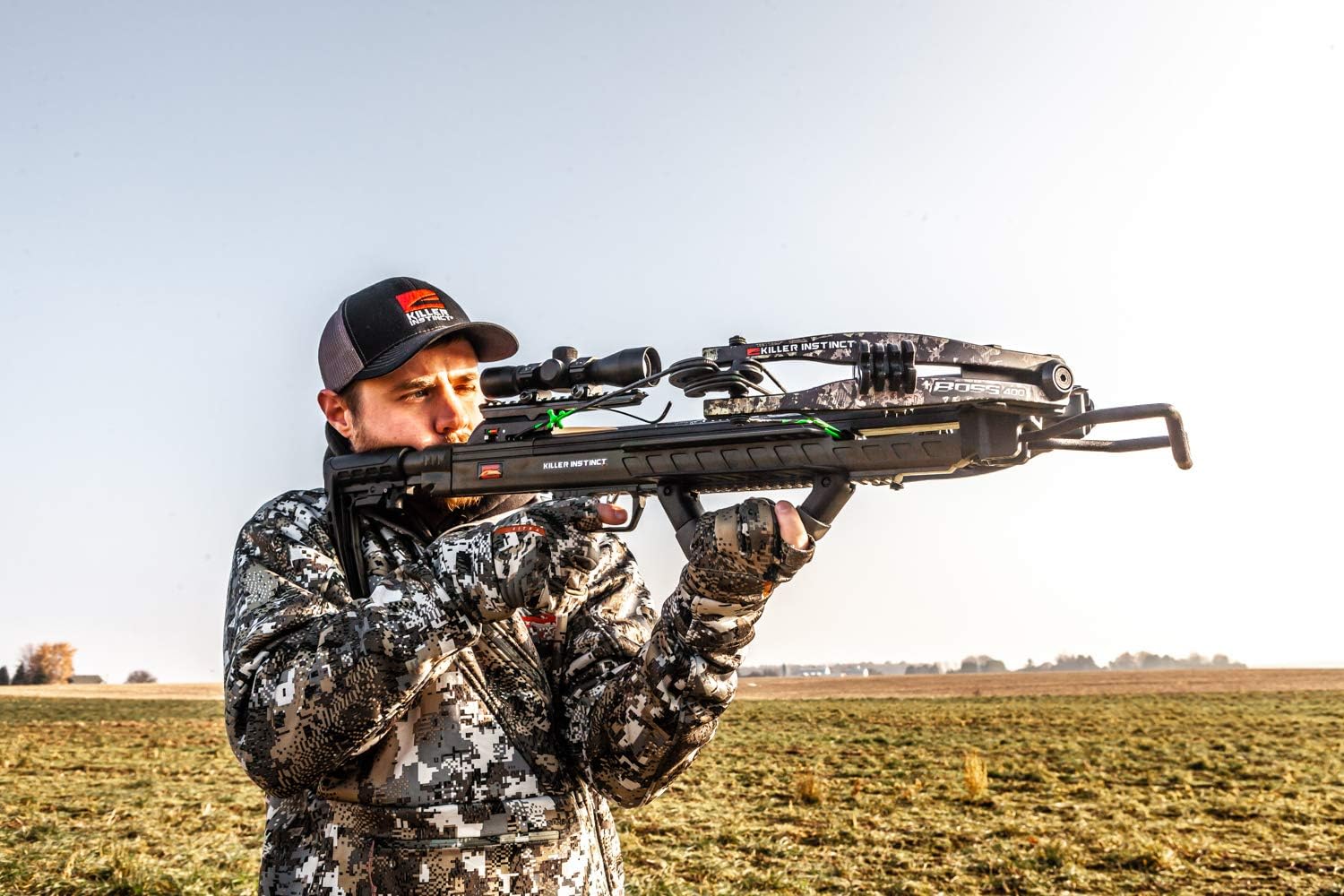
The archery harvest has shown remarkable consistency. It’s been hovering right around that 90,000-93,000 mark for years. This tells me the dedicated bowhunters are still getting it done. They’re often hunting cooler weather, targeting specific deer, and putting in time when the woods are quiet.
The firearms harvest, particularly the November portion, is the real swing vote. This is where we see the volatility. When the overall population is down, the massive hunting pressure of the November rifle season doesn’t produce the same results. Deer are smarter, they move less during daylight, and there are simply fewer of them to go around.
Furthermore, the “Let ’em go, let ’em grow” ethic has been wildly successful in Missouri. We’re shooting older, bigger-racked bucks than ever before. But think about the math: if 100,000 hunters each pass on a 1.5-year-old buck, that’s 100,000 animals that don’t enter the harvest tally that year. This is a good problem to have, it signifies a quality herd, but it’s a undeniable contributor to a lower total harvest number. We’re trading quantity for quality, and the data reflects that choice.
Unpacking the Causes: Why Are Harvest Numbers Down?
Okay, so the numbers are down. Now we get to the heart of the matter: why? Blaming it on “the government” or “too many tags” is a cop-out. The reality is far more complex and interesting. We’re dealing with a combination of ecological punches, slow-burning landscape changes, and our own evolving behavior as hunters. Let’s untangle it.
Ecological Pressures: Disease and Weather Events
Nature has thrown us a couple of haymakers in recent years, and the deer herd has absorbed the blows.
First, let’s talk about Epizootic Hemorrhagic Disease (EHD). If you only remember one thing from this section, let it be this: EHD is the number one driver of sudden, dramatic local population crashes in Missouri. It’s not a new disease, but its severity seems to be increasing with our pattern of hot, dry late summers.
Here’s how it works: a tiny midge (a biting fly) carries the virus. In drought conditions, deer congregate around shrinking water sources, which are also prime midge breeding grounds. The virus spreads rapidly. It’s a horrific disease internally, but outwardly, you’ll often find dead deer in or near water in late August or September. The mortality rate in a local herd can be 50% or more.
The key point is its patchwork nature. It’ll wipe out one creek drainage and leave the next ridge over untouched. This means the statewide harvest might only dip a few percent, but if your favorite farm was in an EHD hotspot, your season was effectively over before it started. The herd recovery from a severe EHD outbreak takes 2-3 years in that specific area. We’ve had multiple summers in a row with significant outbreaks, and the herd hasn’t had time to fully bounce back before getting hit again.
Then there’s the weather whiplash. We’ve seen late, wet springs that swamp fawn beds and lead to high newborn mortality. We’ve had years of mast failure, where the acorn crop just doesn’t materialize. This doesn’t kill deer outright like EHD, but it stresses them, reduces their body condition, and, critically for hunters, scatters them. A deer herd without a concentrated food source is a harder deer herd to hunt. They’re not following predictable patterns to oak flats, making all your classic pre-season scouting less reliable.
Habitat and Herd Dynamics
While disease is the flashy headline, the slow burn of habitat change is the deeper, more persistent challenge. This is the part we often don’t see from our treestands.
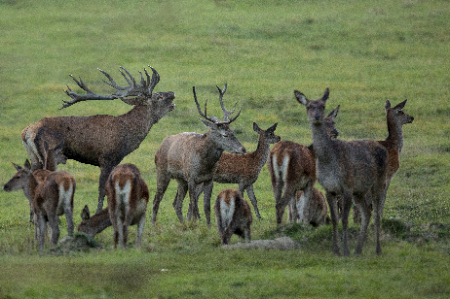
Habitat fragmentation is a ten-dollar term for a simple problem: the breaking up of large, contiguous blocks of cover into smaller, isolated patches. Every new housing development, every cleared fence row, every converted pasture chips away at the secure, quiet space deer need to thrive, especially during daylight hours. Deer aren’t disappearing; they’re becoming nocturnal refugees in the remaining thickets. As one veteran biologist told me, “We’re not managing deer populations anymore; we’re managing deer disturbances.”
This directly affects the land’s carrying capacity, the number of deer an area can sustainably support. Lower-quality, pressured habitat supports fewer deer, period. So even without disease, the baseline population on many properties is creeping downward.
And we have to talk about predators. Coyotes are here to stay. Research, including studies done right here in Missouri, shows that in some landscapes, coyote predation can account for a significant portion of fawn mortality in the first few weeks of life. This doesn’t mean coyotes are “eating all the deer,” but they are applying a constant pressure that makes it harder for the herd to rebound from other setbacks like EHD. It’s one more straw on the camel’s back.
The Human Element: Hunter Behavior and Management
We’re part of this equation, too. Our choices in the woods and the strategic decisions of the MDC are shaping these harvest numbers just as much as any disease.
I already mentioned the quality deer movement. The cultural shift toward passing young bucks is a triumph of conservation ethics. But it’s a mathematical certainty that it lowers the total harvest in the short term. We’re all willingly participating in this selective harvest, and we should be proud of that, even as we acknowledge its effect on the tally sheet.
On the ground, access is changing. More land is posted, more properties are leased, and the classic “knock on a door” for permission is harder than ever. This isn’t a complaint about landowners, it’s their right. But it does mean the average hunter may have fewer places to hunt, which concentrates pressure and can reduce overall hunter effort and opportunity.
Finally, we must understand the MDC’s management goals. The harvest is a tool, not just a score. In certain counties, especially those near the CWD (Chronic Wasting Disease) containment zones, regulations have been intentionally designed to lower deer densities. Lower density means less deer-to-deer contact and a slower spread of CWD. So, in some areas, a reduced harvest isn’t an accident or a failure; it’s the intended outcome of a tough, long-term management strategy to fight a truly terrifying disease. When we look at the statewide decline, a slice of it is by design, for a greater conservation purpose.
Adapting Your Strategy: Hunting Success in a New Era
Here’s the good news: understanding the problem is 90% of the battle. The other 10% is adapting. The days of hanging a stand on any fresh scrape and expecting a parade of deer might be over in many areas. But the hunting isn’t over, far from it. It’s just become more nuanced, more challenging, and in my opinion, more rewarding. Success now goes to the hunter who is more of a woodsman, more of a tactician. Let’s talk about how to be that hunter.
Scouting Smarter, Not Harder: Targeting Core Areas
Forget the old-school method of scouting for the most sign. In a lower-density or pressured herd, a single deer can make a dozen scrapes along a field edge and then vanish into a sanctuary you never knew existed. The new mandate is to scout for the deer themselves and their uncontested safe zones.
This means your trail cameras become your most vital tool, but how you use them needs to change. Don’t just slap them on a corn pile at the field edge. You’re gathering intelligence on pattern and location, not just taking inventory.
- Get In Tight: The most valuable intel now comes from cameras placed deep, on the fringes of thick bedding cover, think the downwind side of a nasty cedar thicket, a secluded creek bottom choked with greenbrier, or the point of a ridge where two hollows meet. You’re looking for a single daytime photo of a shooter buck, not 500 nighttime pictures of does. That one photo tells you he lives there.
- Micro-Habitat is King: In a fragmented landscape, deer are keying in on tiny, high-security food sources. Find the isolated white oak in the middle of the woods, the late-season patch of native brassicas in a logging deck, or the single apple tree behind the homestead. These micro-feeding areas, especially when adjacent to impenetrable cover, are where a buck will feel safe enough to move before dark.
- Pressure Mapping: Pay as much attention to human sign as deer sign. Is there a new stand on the neighbor’s property line? Did the ATV trails get more use this year? Deer are acutely aware of this pressure. Your job is to find the “pressure shadow”, the area that, because of terrain or access difficulty, everyone else ignores. That’s your new honey hole.
The Off-Season Advantage: Habitat and Relationship Building
The hunt for next fall starts the minute this season ends. There are two ways to build your advantage: improving the land and improving your access.
For those who own or lease land, small-scale habitat work pays massive dividends. You don’t need a tractor and a 10-acre plot.
- A one-quarter acre clover plot tucked into a hidden corner near bedding can be a daytime magnet.
- Hinge-cutting a row of small trees to create a living, horizontal thicket provides instant security cover and browse.
- Native forage promotion is the ultimate low-effort win. Simply mowing or conducting a controlled burn in an old field at the right time (late winter/early spring) can release a powerhouse of natural deer foods like ragweed, beggar’s lice, and native legumes.
For everyone else, the most important skill isn’t marksmanship, it’s relationship building. The era of the cold-knock is fading. Lasting access is built on being a steward, not just a consumer.
- Offer genuine help in the off-season: fixing fences, cutting firewood, helping with prescribed burns.
- Provide the landowner with the trail camera photos you get on their property. It shows you’re invested and gives them a connection to the wildlife.
- Be explicitly clear about your intentions: “I’m after one mature buck, and I’ll follow all your rules.” This builds the trust that leads to being the only hunter they call when they have a problem deer.
Season and Tactical Flexibility
If you rigidly hunt the same week of November, the same way, every year, you’re going to feel this decline the hardest. Flexibility is your new superpower.
- Embrace the Rut (Still): The whitetail rut remains the great equalizer. A buck’s drive to breed will pull him out of even the best sanctuary during daylight. But don’t just hunt the “peak” dates. Hunt the seeking and chasing phases hard. This is when a buck covering miles might stumble through your piece of the puzzle.
- Hunt the Forgotten Seasons: The late archery and muzzleloader seasons are golden opportunities in this new paradigm. The hunting pressure has vanished. The deer have settled back into (more predictable) cold-weather patterns. And the bucks that made it through November are often let their guard down just a bit. Some of my biggest successes in recent years have come in January.
- Tactic Pivots: Be ready to switch gears. If your sit-over-a-food-plot plan isn’t working because the acorns have dropped everywhere, you need to be able to still-hunt quietly through an oak flat. If the wind is wrong for your best stand, have a ground blind option for that nasty, downwind thicket where you’d never hang a stand. Sometimes, the best tactic is sheer endurance, being the one hunter willing to sit all day, from dark to dark, to catch that single moment of movement.
The mindset shift is this: you are no longer hunting a herd. You are hunting a specific, survivor deer in his home territory. Your approach must be as stealthy, adaptable, and patient as he is.
The Big Picture: Conservation, Ethics, and the Future
It’s easy to look at the harvest reports and get discouraged. But if we zoom out, this moment is a test of what it truly means to be a hunter-conservationist. It’s not just a title for when the hunting is easy; it’s a responsibility we carry when the hunting gets tough.
The Role of the Hunter-Conservationist
Our role is evolving from simply harvesting surplus animals to being active participants in herd health and knowledge gathering. This is where our actions in the field carry extra weight.
Every time you check a deer in through the MDC’s Telecheck system, you’re providing a critical data point. When you voluntarily submit a sample for CWD testing in a management zone, you’re contributing directly to the science that will hopefully contain this disease. These aren’t bureaucratic chores; they are the front lines of modern wildlife management. We are the army of eyes and ears on the ground that the biologists rely on.
Ethics, too, take on a sharper focus. In an area you know was hit hard by EHD, the choice to harvest a doe requires more thought. Is the local population robust enough to sustain it? Conversely, in an area overpopulated and lacking quality food, a well-placed antlerless harvest might be the most ethical conservation action you can take. There’s no universal answer, it requires situational awareness and a land-first mentality.
MDC’s Stance and Future Outlook
I’ve spoken with enough biologists and agents to understand the MDC’s perspective. They see the same data we do, plus a mountain of ecological data we don’t. Their stance isn’t one of panic, but of cautious, science-based management.
They acknowledge the very factors we’ve discussed: EHD as a major, unpredictable reset button, habitat challenges, and the success of quality deer management. Their future outlook hinges on adaptive strategies. This means:
- Potentially adjusting antlerless permit availability in regions hit by disease.
- Doubling down on habitat improvement programs for private landowners.
- Continuing the aggressive, albeit unpopular, targeted harvests in CWD zones to protect the greater herd.
The long-term vision is for a healthy, resilient deer herd that is in balance with its habitat, even if that balance point means slightly fewer deer than the historic peaks of the 2000s.
Conclusion: Embracing the Challenge
The Missouri deer hunting harvest decline is real. It’s a mix of hard ecological blows, slow-changing landscapes, and our own successful management for older bucks. It has reshaped the woods we hunt.
But here’s my final thought, straight from the heart: this isn’t an end. It’s an evolution. The easy hunting of unlimited deer was a chapter, perhaps a golden one, but it wasn’t the whole story. The story of hunting has always been about challenge, about reading the land, about outsmarting a worthy opponent.
This new era asks more of us. It asks for deeper scouting, for smarter tactics, for a stronger commitment to stewardship. The reward is no longer just a filled tag; it’s the profound satisfaction of succeeding in a tougher game. It’s the knowledge that you’ve become a better hunter, more connected to the life of the forest than ever before.
Walk into these Missouri woods this fall with your eyes open. See the changes. Understand them. Then, adapt, persist, and hunt with the respect this incredible animal and our cherished tradition deserve. The deer are still out there. And now, more than ever, the hunt is on.
Good luck, be safe, and here’s to writing the next chapter, together.
