
If you’re wondering whether South Dakota is worth the trip for mule deer hunting, let me give you the short answer right up front: yes, absolutely. South Dakota offers some of the most accessible mule deer opportunities in the Midwest, with diverse terrain ranging from the rugged Black Hills to wide‑open prairie units. Hunters come here for the chance at mature bucks, fair draw odds compared to other western states, and a hunting culture that still feels authentic.
The main search question, “What do I need to know about South Dakota mule deer hunting?”, comes down to three essentials: seasons, licenses, and where to hunt. Once you understand those, you can layer in gear, strategies, and travel planning. That’s exactly what this guide covers, step by step, in plain language.
Understanding Mule Deer Hunting in South Dakota
South Dakota isn’t always the first state people think of for mule deer, but that’s part of the appeal. Pressure is lower than in Colorado or Montana, and the mix of public and private land gives hunters options.
Why South Dakota is a Top Destination
- Accessible hunts: Non‑residents can apply for tags, and residents enjoy solid opportunities.
- Varied terrain: From pine‑covered ridges in the Black Hills to rolling prairie grasslands.
- Healthy herds: Mule deer populations are managed carefully by South Dakota Game, Fish & Parks (GFP).
Mule Deer vs. Whitetail Deer
If you’re new to mule deer, here’s the quick breakdown:
- Mule deer have larger ears (like a mule, hence the name).
- They often “stot” or bound when running, unlike whitetails.
- Mule deer bucks tend to have bifurcated antlers, splitting into forks rather than tines off a main beam.
Knowing these differences matters because South Dakota offers both species, and regulations vary depending on which you’re hunting.
Conservation and Management
South Dakota GFP monitors herd health closely. Harvest quotas, season lengths, and tag allocations are adjusted annually to balance hunter opportunity with long‑term sustainability.
Custom Asset: Mule Deer Hunt Planning Checklist
Here’s a practical, link‑worthy resource you can use or share. It’s designed as a fact sheet checklist, simple, scannable, and useful.
| Step | What to Do | Why It Matters |
|---|---|---|
| 1 | Check GFP website for current regulations | Rules change yearly; stay compliant |
| 2 | Decide on weapon type (archery, rifle, muzzleloader) | Seasons differ by weapon |
| 3 | Apply for tags before deadlines | Draw odds vary; don’t miss out |
| 4 | Research hunting units (Black Hills vs. Prairie) | Terrain affects strategy |
| 5 | Scout with maps and GPS | Saves time during the hunt |
| 6 | Prepare gear list (optics, clothing, pack) | South Dakota weather can swing fast |
| 7 | Plan lodging or camping | Options range from motels to backcountry |
| 8 | Review hunter safety requirements | Mandatory for youth and recommended for all |
| 9 | Condition physically | Spot‑and‑stalk hunts demand endurance |
| 10 | Pack for meat care and trophy handling | Field care ensures quality and respect |
This checklist can be cited by other sites or shared among hunting forums.
Hunting Regulations and Licensing
Before you pack your gear or start scouting, you need to understand how South Dakota handles mule deer licenses. The state’s Game, Fish & Parks (GFP) department oversees everything, and their system is straightforward once you know the basics.
Resident vs. Non‑Resident Licenses
- Residents: If you live in South Dakota, you’ll find more options and generally better odds in the draw. Residents can apply for firearm, archery, and muzzleloader tags across multiple units.
- Non‑residents: You’re still welcome, but your opportunities are more limited. Non‑resident firearm tags are restricted, while archery tags are easier to obtain. Many hunters from neighboring states choose South Dakota for archery mule deer because the odds are better than in places like Colorado.
Application Deadlines and Draw System
South Dakota uses a lottery draw for most mule deer licenses. Applications open in spring and deadlines vary by weapon type. Rifle tags are the most competitive, while archery tags often remain available longer. If you’re serious about hunting mule deer here, mark those dates on your calendar early.
Tag Types and Costs
You’ll see three main categories:
- Archery: Longer season, more flexibility, but requires patience and skill.
- Rifle: Shorter season, higher demand, and limited tags.
- Muzzleloader: A niche option with unique challenges, but less competition.
Costs are reasonable compared to western states. Residents pay less, while non‑residents should budget for higher fees. Always check the GFP site for current pricing because it changes year to year.
Mule Deer Hunting Seasons in South Dakota
Once you’ve got your license figured out, the next big question is timing. Seasons vary by weapon, and knowing the calendar is critical.
Archery Season
Archery season usually opens in early September and runs through late fall. This gives bowhunters a long window to pursue mule deer, often during the rut when bucks are more active. It’s a great option if you want flexibility and time to plan multiple trips.
Rifle Season
Rifle season is shorter, typically in November. This is when competition peaks, and hunters are eager to take advantage of mule deer movement during colder weather. If you draw a rifle tag, plan carefully, your window is limited.
Muzzleloader Season
Muzzleloader hunts usually fall after rifle season. They’re less crowded, but the weapon demands skill and preparation. If you enjoy traditional hunting methods, this season offers a unique challenge.
Youth and Special Hunts
South Dakota also offers youth hunts and special opportunities. These are designed to encourage new hunters and provide access to areas or times that might otherwise be restricted. If you’re mentoring a young hunter, these hunts are worth exploring.
Best Mule Deer Hunting Areas in South Dakota
South Dakota offers two very different hunting experiences depending on where you go. The Black Hills feel like classic western mountain country, while the prairie units give you wide‑open spot‑and‑stalk opportunities. Both can produce mature mule deer bucks, but the strategies are different.
Black Hills Region – Terrain and Trophy Potential
The Black Hills are a hunter’s dream if you like rugged country. Pine forests, rocky ridges, and deep draws create natural mule deer habitat. Bucks here often grow impressive antlers thanks to good forage and genetics.
- Pros: Scenic terrain, strong mule deer populations, chance at trophy bucks.
- Cons: More competition, tougher hikes, and limited visibility compared to prairie units.
If you’re comfortable glassing from ridges and hiking hard, the Black Hills should be at the top of your list.
Prairie Units – Spot‑and‑Stalk Opportunities
Head east and you’ll find a completely different style of hunting. Prairie mule deer live in rolling grasslands, crop fields, and river breaks. Here, the game is all about spotting deer from a distance and making careful stalks.
- Pros: Wide‑open visibility, less crowded than the Black Hills, classic spot‑and‑stalk hunting.
- Cons: Wind exposure, long hikes across open country, and deer that can see you coming from miles away.
This is where good optics and patience pay off. Many hunters love the prairie because it feels like a chess match with mule deer.
Public Lands vs. Private Lands Access
South Dakota offers a mix of public land hunting and private land opportunities.
- Public lands: National Forest in the Black Hills, state lands, and walk‑in areas. These are accessible but can be crowded.
- Private lands: Many ranches allow hunting through permission or outfitted hunts. If you’re willing to pay for access, private land can mean less pressure and better odds.
Always respect landowners and follow posted rules. South Dakota has a strong tradition of cooperation between hunters and ranchers, and keeping that relationship positive benefits everyone.
How to Use Maps and GPS for Scouting
Don’t underestimate the value of digital scouting. Tools like OnX, HuntStand, or even Google Earth help you identify terrain features, water sources, and access points. Combine that with boots‑on‑the‑ground scouting before the season, and you’ll save yourself a lot of frustration.
Gear and Preparation for Mule Deer Hunting
If you’ve hunted mule deer before, you know preparation makes or breaks the trip. South Dakota’s terrain and weather can throw curveballs, so having the right gear and mindset is critical.
Essential Gear Checklist
- Optics: A quality binocular (10×42 or 12×50) is non‑negotiable. Spotting mule deer across prairie ridges or through Black Hills timber requires sharp glass.
- Clothing: Layering is key. South Dakota weather can swing from warm afternoons to freezing mornings. Pack moisture‑wicking base layers, an insulating mid‑layer, and a windproof outer shell.
- Weapons: Choose based on your tag, compound bow, rifle, or muzzleloader. Practice well before the season.
- Backpack: A sturdy pack with room for gear, food, and meat hauling.
Physical Conditioning and Field Readiness
Spot‑and‑stalk hunting is demanding. Expect long hikes, steep climbs, and sudden sprints. Conditioning your legs and lungs before the season pays off when you’re chasing a buck across prairie breaks.
Scouting Strategies Before the Season
Digital scouting is step one, but nothing replaces boots on the ground. Drive the unit, glass from roads, and note deer movement. Early mornings and evenings reveal patterns you can use later.
Packing for Multi‑Day Hunts
If you’re camping, plan for self‑sufficiency. Water filtration, lightweight cooking gear, and durable shelter matter. Even if you’re staying in town, pack as if you’ll spend long days in the field.
Hunting Strategies and Techniques
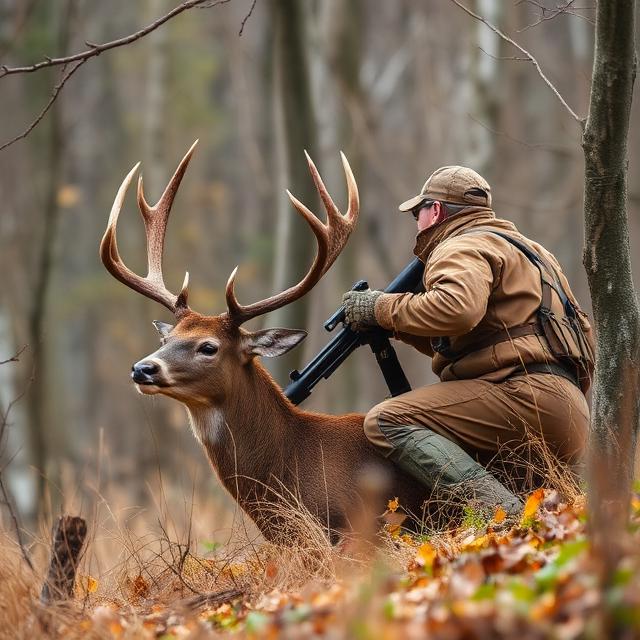
Once you’re prepared, it’s time to talk tactics. Mule deer don’t behave like whitetails, and South Dakota’s terrain demands specific approaches.
Spot‑and‑Stalk Method for Prairie Mule Deer
This is the bread and butter of prairie hunting. You’ll glass from a distance, identify a buck, and plan a careful stalk using terrain features. Move slow, stay low, and use wind direction to your advantage.
Tree Stand and Ground Blind Tactics
In the Black Hills or near agricultural fields, blinds and stands can work. Mule deer are less predictable than whitetails, but if you’ve patterned their movement, a well‑placed stand can pay off.
Reading Mule Deer Behavior and Patterns
Mule deer often bed on slopes where they can watch below. They feed in open areas at dawn and dusk. Learn to anticipate these movements, and you’ll find more opportunities.
Weather and Seasonal Influences
Cold snaps push deer into lower elevations. Windy days make them more cautious. During the rut, bucks are distracted and more likely to make mistakes. Adjust your tactics based on conditions.
Gear and Preparation for Mule Deer Hunting
If you’ve hunted mule deer before, you know preparation makes or breaks the trip. South Dakota’s terrain and weather can throw curveballs, so having the right gear and mindset is critical.
Essential Gear Checklist
- Optics: A quality binocular (10×42 or 12×50) is non‑negotiable. Spotting mule deer across prairie ridges or through Black Hills timber requires sharp glass.
- Clothing: Layering is key. South Dakota weather can swing from warm afternoons to freezing mornings. Pack moisture‑wicking base layers, an insulating mid‑layer, and a windproof outer shell.
- Weapons: Choose based on your tag, compound bow, rifle, or muzzleloader. Practice well before the season.
- Backpack: A sturdy pack with room for gear, food, and meat hauling.
Physical Conditioning and Field Readiness
Spot‑and‑stalk hunting is demanding. Expect long hikes, steep climbs, and sudden sprints. Conditioning your legs and lungs before the season pays off when you’re chasing a buck across prairie breaks.
Scouting Strategies Before the Season
Digital scouting is step one, but nothing replaces boots on the ground. Drive the unit, glass from roads, and note deer movement. Early mornings and evenings reveal patterns you can use later.
Packing for Multi‑Day Hunts
If you’re camping, plan for self‑sufficiency. Water filtration, lightweight cooking gear, and durable shelter matter. Even if you’re staying in town, pack as if you’ll spend long days in the field.
Hunting Strategies and Techniques
Once you’re prepared, it’s time to talk tactics. Mule deer don’t behave like whitetails, and South Dakota’s terrain demands specific approaches.
Spot‑and‑Stalk Method for Prairie Mule Deer
This is the bread and butter of prairie hunting. You’ll glass from a distance, identify a buck, and plan a careful stalk using terrain features. Move slow, stay low, and use wind direction to your advantage.
Tree Stand and Ground Blind Tactics
In the Black Hills or near agricultural fields, blinds and stands can work. Mule deer are less predictable than whitetails, but if you’ve patterned their movement, a well‑placed stand can pay off.
Reading Mule Deer Behavior and Patterns
Mule deer often bed on slopes where they can watch below. They feed in open areas at dawn and dusk. Learn to anticipate these movements, and you’ll find more opportunities.
Weather and Seasonal Influences
Cold snaps push deer into lower elevations. Windy days make them more cautious. During the rut, bucks are distracted and more likely to make mistakes. Adjust your tactics based on conditions.
Field Care and Processing
Harvesting a mule deer is only half the job. What you do afterward determines the quality of your meat and the condition of your trophy.
Ethical Shot Placement and Recovery
A clean, ethical shot is the goal every time. Mule deer are tough animals, but with proper shot placement, behind the shoulder into the lungs, you’ll minimize suffering and ensure a quick recovery. Always be patient and wait for the right angle.
Field Dressing and Meat Care in South Dakota Conditions
South Dakota’s weather can swing wildly. In warm early‑season hunts, cooling the meat quickly is critical. In late fall, freezing temps can help, but you still need to protect meat from dirt and moisture. Carry game bags, a sharp knife, and gloves. Hang quarters in shade if possible, and get them to a cooler as soon as you can.
Trophy Preparation
If you’re planning to mount your buck, take care with the cape. Avoid cutting too far up the brisket, and keep the hide clean. Many hunters carry salt or preservative for longer trips, but the best move is to get your cape to a taxidermist quickly.
Travel and Planning for Non‑Residents
If you’re coming from out of state, planning ahead makes the difference between a smooth trip and a stressful one.
Where to Stay – Lodging and Camping Options
- Motels and hotels: Found in towns near hunting units. Convenient if you want comfort after long days.
- Campgrounds: Both public and private options exist. Great if you want to stay close to the hunt.
- Backcountry camping: In the Black Hills, this is possible with proper permits. It’s rugged but rewarding.
Guided Hunts vs. DIY Hunts
- Guided hunts: Outfitters provide access to private land, local knowledge, and often higher success rates. They’re more expensive but save time.
- DIY hunts: More affordable and adventurous. You’ll need to do your own scouting and logistics, but the satisfaction is unmatched.
Travel Logistics
South Dakota is accessible by road and air. Rapid City serves the Black Hills region, while Sioux Falls is a hub for eastern prairie units. Renting a vehicle is often necessary, especially if you plan to explore remote areas.
Safety, Ethics, and Hunting Culture
Hunting mule deer in South Dakota isn’t just about filling a tag, it’s about doing it the right way.
Hunter Safety Requirements
South Dakota requires hunter safety certification for youth hunters, and it’s strongly encouraged for everyone. Even if you’ve hunted for years, reviewing safety basics keeps you sharp. Always know your target and what’s beyond it, and communicate clearly if you’re hunting with partners.
Ethical Hunting Practices
Respect for the animal and the land is central to mule deer hunting. Take ethical shots, recover your deer promptly, and use as much of the meat as possible. If you’re on private land, treat it as if it were your own, close gates, avoid damaging property, and thank landowners for access.
Hunting Culture in South Dakota
South Dakota has a proud hunting tradition. Communities welcome hunters, and you’ll find camaraderie in small‑town diners, sporting goods stores, and campgrounds. Mule deer hunting here isn’t just a solo pursuit, it’s part of a larger culture that values conservation, respect, and shared experience.
Frequently Asked Questions (FAQ)
What is the success rate for mule deer hunts in South Dakota?
Success rates vary by unit and weapon type, but archery hunts are generally more challenging, while rifle hunts see higher harvest numbers.
Can non‑residents hunt mule deer in South Dakota?
Yes. Non‑residents can apply for tags, though rifle opportunities are limited. Archery tags are more accessible.
What is the best time of year to hunt mule deer?
November rifle season aligns with colder weather and rut activity, making it a prime time. Archery hunters often prefer September for longer daylight and less pressure.
How do mule deer tags compare to whitetail tags?
Whitetail tags are more abundant, but mule deer tags are more coveted. Draw odds for mule deer are tighter, especially for rifle hunts.
Final Thoughts – Planning Your South Dakota Mule Deer Hunt
If you’ve made it this far, you now have a clear roadmap for planning a South Dakota mule deer hunt. You know the difference between the Black Hills and prairie units, how the licensing system works, what gear to pack, and the strategies that give you the best chance at success.
The truth is, mule deer hunting in South Dakota isn’t complicated, it just requires preparation and respect. Plan early, scout smart, and hunt ethically. Whether you’re a resident chasing your first buck or a non‑resident looking for a new adventure, South Dakota offers a rewarding experience that blends challenge with tradition.
So start checking those application deadlines, sharpen your broadheads or sight in your rifle, and get ready. Mule deer hunting in South Dakota is waiting, and it’s an adventure worth every mile.
