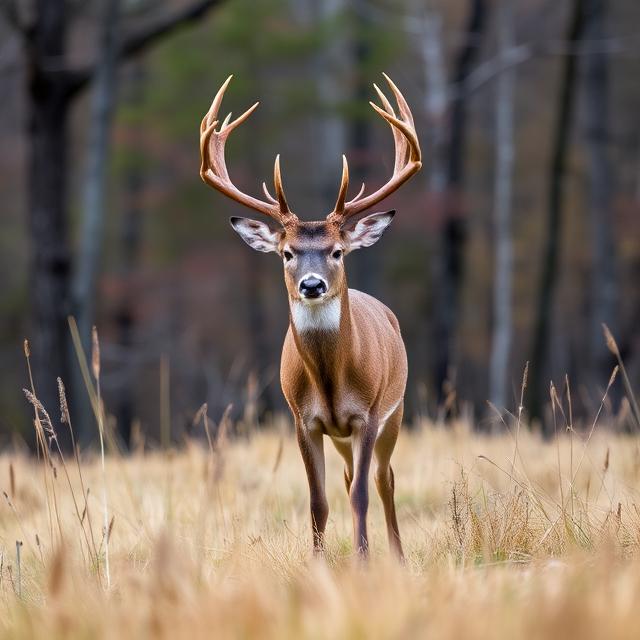
You know that feeling? It’s still dark, the cold Vermont air bites at your cheeks, and you’re settled in against an old maple. You hear a stick snap, then see a shadow moving in the pre-dawn gray. That moment, the breath held, the slow turn of an antlered head, is what we’re here for. But before you ever get to that tree stand, there’s a map to decipher, rules to learn, and a fair bit of local know-how that turns a hopeful trip into a successful season. That’s what this guide is for. Consider it your first stop before you step into the woods.
If you’re looking for the straight goods on Vermont deer hunting, you’ve landed in the right spot. This isn’t just a rehash of the rulebook. It’s a clear, practical walkthrough of everything from buying your license and understanding Vermont’s unique Wildlife Management Units (WMUs) to the unspoken strategies that work in our hills. We’ll cover the essential what, when, and where, so you can focus on the how. Whether you’re a seasoned hunter new to the Green Mountains or gearing up for your very first season, let’s break it down together.
Why Hunt Deer in Vermont? An Introduction to the Green Mountain State’s Herd
Let’s start with the most important piece of the puzzle: the deer themselves. You’re not just hunting anywhere; you’re hunting in Vermont. And that means pursuing a whitetail herd that’s as tough and resilient as the landscape it lives in.
Our woods don’t produce the sheer numbers you might find in some midwestern states, and that’s by design. Vermont isn’t about easy, high-odds hunting. It’s about quality, challenge, and a deep connection to a managed wilderness. The deer here are savvy, having navigated harsh winters and pressured terrain for generations. Taking a mature buck here isn’t a checkmark; it’s a hard-earned trophy that speaks to your skill and patience. It’s a different kind of hunt, and that’s precisely its appeal.
Understanding Vermont’s White-Tailed Deer Population
The Vermont whitetail is a survivor. The population ebbs and flows, heavily influenced by winter severity, what our biologists measure as “Winter Severity Index” (WSI). A deep snowpack with prolonged cold (a high WSI) can lead to winter mortality, especially among fawns. The Vermont Fish & Wildlife Department (VTF&W) uses this data, along with harvest reports and biological surveys, to set management goals each year.
Their aim isn’t maximum deer. It’s a healthy, sustainable herd balanced with its habitat. In some areas, particularly the remote Northeast Kingdom, you might find lower deer densities but older, wiser bucks. In the warmer agricultural valleys of the Champlain Basin or the Connecticut River Valley, densities are higher, but so is hunting pressure. This patchwork is what makes scouting and understanding your specific zone so critical. You’re not just learning to hunt deer; you’re learning to hunt Vermont deer.
The Vermont Hunting Tradition and Economic Impact
Hunting here is woven into the fabric of the state. It’s a family tradition, a way to fill the freezer with the most local, organic meat possible, and a primary driver of conservation. This isn’t just talk. Every single dollar from your Vermont hunting license and tag fees goes directly back to the VTF&W. This money funds the biologists who study the herd, the game wardens who protect it, and the habitat improvement projects that benefit all wildlife.
When you buy a license, you’re not paying for a ticket. You’re becoming an active, contributing member of Vermont’s conservation model. You’re helping maintain public access lands, protect wetlands, and ensure this tradition continues for the next kid in their first blaze orange vest. It’s a point of pride. We’re not just takers from the landscape; we’re its most invested stewards.
Vermont Deer Hunting Regulations: What Every Hunter Must Know
Okay, let’s talk rules. I know, it’s not the exciting part. But think of it this way: knowing the regulations inside and out is the absolute foundation of ethical hunting. It keeps you legal, it keeps you safe, and it shows respect for the resource and your fellow hunters. This isn’t about red tape; it’s about fair chase and responsibility.
Getting this part wrong can turn a dream season into a nightmare of fines and lost privileges. So let’s get it right, step by step. Trust me, the peace of mind you’ll have in the woods is worth this bit of homework.
Licensing, Permits, and Hunter Education Requirements
First things first: you need a license. For any resident or non-resident, the gateway is completing a hunter education course if you haven’t already. Vermont’s course is thorough, focusing heavily on safety, ethics, and regulations. Even if you’re a veteran hunter from another state, it’s a worthwhile refresher on our specific laws.
You can buy your Vermont hunting license online, at an agent, or directly from VTF&W. Here’s the basic breakdown:
- Resident License: For folks who’ve lived in VT for consecutive months.
- Non-Resident License: More expensive, but it’s your ticket in.
- Big Game Tag: This is included with your license and allows you to tag one legal buck during the archery, rifle, or muzzleloader seasons. It’s your “base” tag.
But here’s a key point for Vermont deer hunting: the antlerless deer permit. This is a separate, lottery-based permit that allows you to harvest a doe. Why the lottery? It’s the department’s primary tool for controlling the population in each specific Wildlife Management Unit (WMU). In some units with higher populations, you might have a very good chance. In units where the herd is lower, permits are scarce. You must apply for this lottery in the summer, don’t wait until fall!
- Original Asset: Vermont Deer Tag & Permit Checklist
I see guys fumbling through their packs at the truck. Don’t be that guy. Use this simple checklist to make sure your paperwork is squared away before you head into the woods. - YOUR VERMONT DEER HUNTING PAPERWORK CHECKLIST
Before the Season:
☐ Hunter Education Certification Card (on your person or digitally)
☐ Current Year Vermont Hunting License
☐ Current Year Big Game Tag (for a buck)
☐ Antlerless Deer Permit (if you were drawn in the lottery)
☐ Landowner Permission Note: If hunting private land, have written permission. In Your Pack, Every Time You Hunt:
☐ Paper copy of your license/tags (electronics can fail)
☐ Pen or permanent marker for filling out your tag
☐ Zip ties or durable string for attaching your tag to the deer
☐ Your driver’s license/photo ID
Understanding the Legal Deer Tagging and Reporting Process
You’ve made a harvest. Congratulations! Now, the clock starts ticking. Vermont has a very specific, two-part process: tagging and reporting.
- Tagging (Do this IMMEDIELY in the field): As soon as you recover your deer and before you move it an inch, you must fill out your physical, paper tag. Legibly write your name, date, time, and WMU. Then, you must physically attach this tag to the deer. Cut a hole in the ear or the base of the antler, run the tag’s string through, and secure it. This tag must stay on through transport and until the deer is processed or checked at a reporting station. This is your proof of legality on the spot.
- Reporting (Do this within 48 hours): This is separate. Within 48 hours of taking the deer, you are required by law to report it to the VTF&W. You do this online or by phone. You’ll need your license ID and details about the harvest (sex, antler points, WMU, etc.). This reporting isn’t a suggestion; it’s mandatory. This data is the single most important tool biologists have for managing the herd. Failing to report your deer isn’t just a fine; it’s failing the future of the hunt you just enjoyed.
Vermont’s Antler Point Restrictions and Antlerless Deer Permits
These two rules are the gears of Vermont’s management strategy. Let’s demystify them.
- Antler Point Restrictions (APR): In most WMUs, a legal buck must have at least one antler with two or more points. A “point” must be at least one inch long. This rule is designed to protect yearling “spike” or “forkhorn” bucks, letting them grow into more mature animals. It’s not about trophy hunting; it’s about age structure. Before you even chamber a round or draw your bow, know your WMU’s specific rule. Some units, like certain wilderness areas, may have different restrictions. Check the guidebook every year.
- Antlerless Deer Permits (The Lottery): As mentioned, this is how the state controls doe harvests unit-by-unit. Here’s the insider tip: Your odds aren’t random across the state. They are intentionally set for each WMU. When you apply in the summer, you can see a map showing which units have “high,” “medium,” or “low” permit availability. If your primary goal is filling the freezer with venison, applying for a unit with “high” availability drastically increases your chance of getting a doe tag. It’s a strategic choice.
Decoding the Vermont Deer Hunting Season Calendar
Vermont’s seasons are a layered cake. We start with a quiet, intimate season, add a special weekend for the next generation, build to the grand tradition of November, and finish with a primitive challenge. Each layer has its own flavor and requires a different approach.
Knowing this calendar isn’t just about dates; it’s about choosing the kind of hunting experience you want to have. Let’s walk through it.
Archery Season for Deer in Vermont
This is where the woods are still mostly yours. Kicking off in early October (typically the first Saturday), archery season runs for several weeks. The foliage is spectacular, the weather is pleasant, and the deer are in their early fall patterns. They’re not yet pressured or fully into the rut.
This season is about stealth, close-range accuracy, and patience. It’s perfect for hunters who want a longer, more contemplative season. The rules are strict: only bows (with specific draw weights) and crossbows (with a permit, if you’re over 50 or have a disability) are allowed. No firearms. It’s a pure test of skill. If you enjoy the craft of getting within 30 yards, this is your time.
Youth and Novice Deer Hunting Weekend
This might be my favorite weekend on the calendar. Held in late October, it’s a two-day season designed explicitly for youth (ages 15 and under) and first-time adult hunters (holding a novice license). The mentored youth hunter can take one deer of either sex, regardless of antler points, in most WMUs.
Why is this so important? It’s about passing it on. The woods are quieter than the rifle rush, the pressure is low, and the focus is on safety, learning, and making memories. As an experienced hunter mentoring a kid, you can’t carry a firearm, your entire role is to guide and teach. It’s a brilliant program that plants the seed for the future. If you have a young person in your life, this weekend is an absolute gift.
Vermont Rifle (November) Deer Season
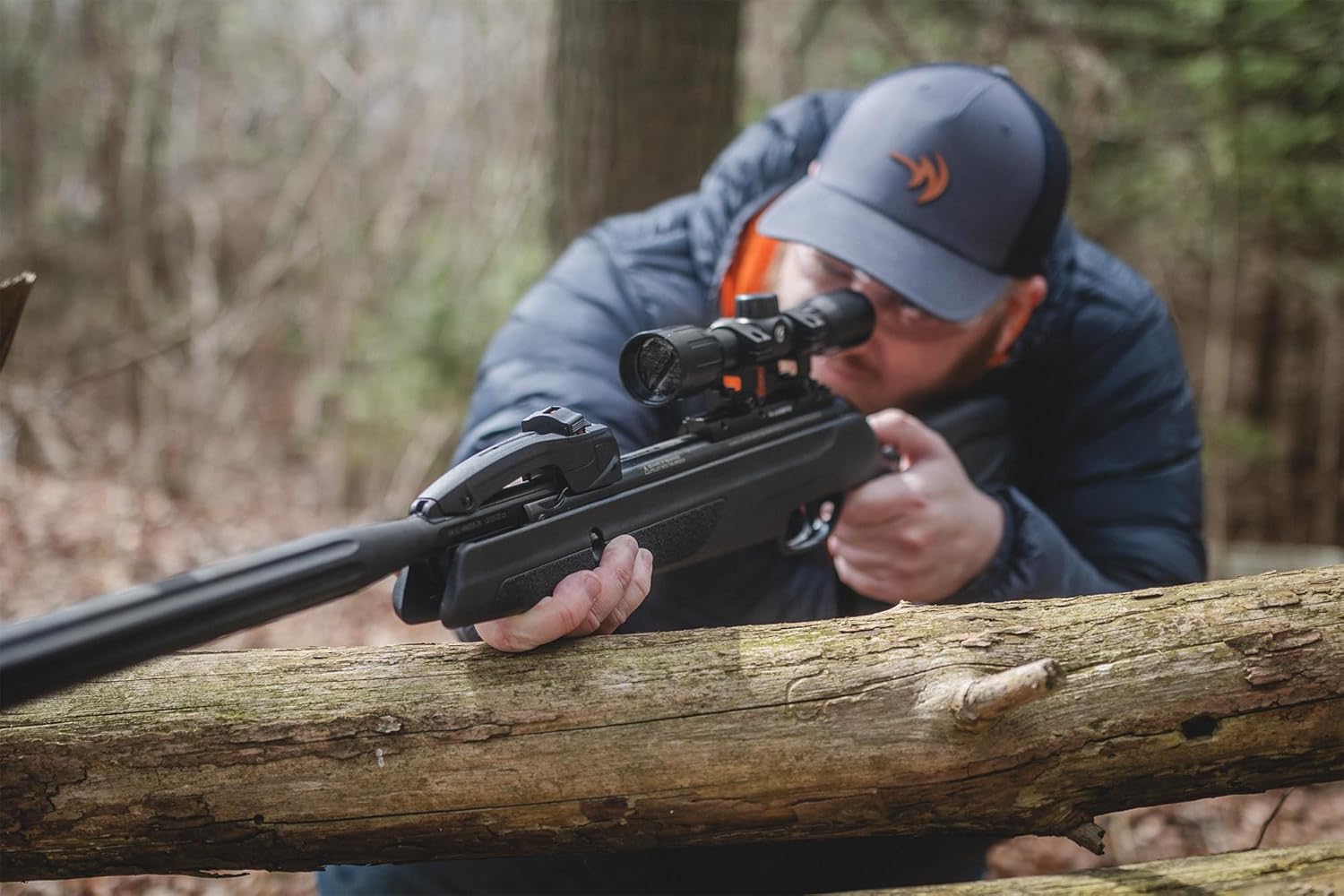
This is the one most people picture: the 16-day season opening the Saturday before Thanksgiving. It’s a cultural event in Vermont. Schools have half-days, camps fill up, and you’ll see orange hats in every diner before dawn.
The woods come alive in a different way. The rut is often kicking into high gear, making bucks more active during daylight. It’s our primary season for hunter numbers and harvest. You can use rifles, handguns, or shotguns (with specific ammunition). The energy is palpable. It’s a time of tradition, camaraderie, and serious focus. For many, this 16-day stretch is the heart of Vermont deer hunting.
Muzzleloader Season Dates and Rules
After the rifle season closes, the woods get quiet again, but not empty. The muzzleloader season, split into segments in early and late December, offers one last chance. This is for hunters who relish a challenge and enjoy extending their time in the late-season woods.
You’re limited to single-shot, primitive firearms. The weather is colder, the deer are pressured and nocturnal, and the hunt becomes a true test of tracking, still-hunting, and making that one shot count. It’s a gritty, rewarding way to end the year. The late segment often coincides with black bear hunting season with dogs in certain WMUs, so always check the regulations for specific dates and zone overlaps.
Vermont’s Wildlife Management Units (WMUs): Choosing Your Zone
Alright, now we get to the map. This is where a lot of new Vermont hunters hit a wall, staring at the Vermont deer zone map with all its squiggly lines and numbers. But listen, don’t let it intimidate you. Mastering the WMU system isn’t about memorizing boundaries; it’s about understanding what each zone represents. Think of it as the state’s playbook for the deer herd. Each unit is managed differently based on its habitat, winter conditions, and deer population goals. Your job is to pick the play that matches your game plan.
Choosing your zone is the single biggest strategic decision you’ll make before the season. It determines your odds for an antlerless permit, the type of terrain you’ll hunt, and even the kind of bucks you might find. You wouldn’t plan a fishing trip without knowing if you’re headed to a pond or a river, right? Same idea here.
How to Read the Vermont Deer Zone Map
Grab the latest Hunting & Trapping Guide from VTF&W, or pull up the interactive map on their website. You’ll see the state carved up into numbered units, from WMU A in the southwest to WMU F2 way up in the Northeast Kingdom. The boundaries are usually major roads, rivers, or topographic features.
Here’s the pro tip: Don’t just look at the lines. Cross-reference the map with two other tools:
- The Antlerless Deer Permit Availability Map: This shows which units are “High,” “Medium,” or “Low” for doe permits. It’s a direct signal of deer density and management goals.
- Public Land Layers: On the online map, toggle on the layers for state forests, wildlife management areas (WMAs), and Green Mountain National Forest land. Suddenly, you’re not just looking at a zone number; you’re seeing where you can actually legally hunt within that zone.
Your mission is to find the overlap between a zone that suits your goal (e.g., “I want a good chance at a doe permit”) and has the accessible land to hunt. A zone with “High” permit availability but zero public land does you no good unless you have private access.
Top WMUs for Deer Density and Trophy Potential
Let’s talk brass tacks. While every WMU holds deer, some have reputations for a reason. Remember, “best” depends entirely on what you’re after.
- For Consistent Deer Numbers: Look to the western foothills and the milder Champlain Valley units (like WMUs D1, D2, G). These areas generally have less severe winters, more agricultural edge habitat, and historically higher deer densities. This often translates to better antlerless permit odds and more deer sightings. The trade-off? More private land and often higher hunting pressure.
- For a Wilderness Challenge & Older Bucks: Head north and east. The Northeast Kingdom units (WMUs B, C, E1, E2, F1, F2) are vast, rugged, and breathtaking. Winters are tougher here, so deer densities are lower. But because the habitat is demanding and access can be difficult, bucks that survive can live longer. If you’re after a mature animal and are willing to work for it, packing in, dealing with brutal topography, and facing lower odds, this is your arena. Doe permits here are often very limited.
There’s no single “best” answer. A unit like WMU M in the southern Green Mountain National Forest might offer a great mix of accessible public land and decent deer numbers. It’s about matching the terrain to your fitness and the regulations to your goals.
Public Land Hunting in Vermont: State Forests and WMAs
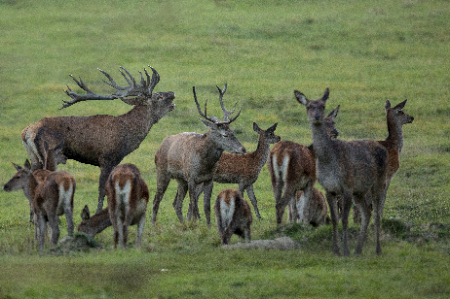
You don’t need to know a landowner to have a great Vermont deer hunt. The state is blessed with an incredible amount of public land, but “public” doesn’t mean “easy.” It means you have to be smarter.
- Green Mountain National Forest (GMNF): This is our crown jewel of public hunting. Hundreds of thousands of acres spread across two tracts in southern and central Vermont. The key here is to get away from the roads. A 30-minute hike in can put you in areas most hunters never see. Focus on remote saddles, beech ridges, and the edges of forgotten clear-cuts. Topographic maps and a good GPS are your best friends.
- State Wildlife Management Areas (WMAs): These are lands purchased specifically with hunting and habitat in mind. They are often smaller and more specific in their habitat, like a river floodplain or a managed wetland. They can be absolute magnets for deer, but they also concentrate hunters. Scout these early to find the less-obvious pinch points and access routes.
- State Forests: Similar to the GMNF but managed by the state. They offer great opportunities, especially in the less-visited corners.
The public land mantra is simple: Go deep, or go subtle. Either put serious distance between you and the parking area, or hunt the overlooked, brushy transition zones within a mile of the road that everyone else walks past.
Essential Strategies for Vermont Deer Hunting Success
So you’ve got your license, know your season, and you’ve picked a zone. Now, how do you actually hunt it? Vermont isn’t a stand-and-wait-everything-comes-to-you kind of place. Our deer move with the terrain and the pressure. Success here leans less on high-tech gadgets and more on woodsmanship, the ability to read the land and the sign.
Scouting Vermont’s Terrain: Ridges, Saddles, and Hardwood Stands
Forget field edges for a minute (unless you have permission on a farm). In the big Vermont woods, deer are terrain creatures. Your pre season scouting should focus on three key features:
- Saddles: This is the #1 spot to find a deer funnel in hill country. A saddle is a low point on a ridge line, it’s the path of least resistance for deer moving from one drainage to another. Find these on a topo map, then go verify the sign. You’ll often find trails running right through them.
- Bench Ridges: Deer don’t like walking on steep slopes if they don’t have to. They’ll travel along the contour lines on the side of a mountain. A flat “bench” or slight shelf partway up a steep hillside is a natural travel corridor. Look for these, especially leading to or from feeding (oak ridges) and bedding (thick evergreens) areas.
- Hardwood Mast Sources: In the fall, deer are calorie machines. A ridge full of dropping acorns from white oaks is a dinner bell. Beech nut ridges (look for the smooth gray bark) are another major draw. Find the mast and you will find deer sign. It’s that straightforward.
Your goal in October scouting isn’t just to find deer; it’s to find why the deer are there. Understand the “kitchen” (food), the “bedroom” (thick cover, often on a south-facing slope for sun), and the corridors they use between them.
Rut Hunting Tactics for the Vermont Woods
The November rifle season is timed beautifully with the peak of the chasing phase here. Bucks are on their feet, noses to the wind. This changes the game.
- Grunt Calling: In Vermont, less is almost always more. Our bucks aren’t over-called like in some states. A single, low, guttural grunt from a thicket can be irresistible. A sequence of two or three tending grunts can work wonders. But if you blow a call every 15 minutes, you’ll sound like a rookie.
- Rattling: This can be explosive in the right situation, especially in areas with a decent buck-to-doe ratio. Focus on areas where you’ve seen buck sign (scrapes, rub lines). Keep the sessions short and violent—30 seconds of crashing and grinding, then stop and wait for 20 minutes with your bow or rifle ready. The buck will often come in silent and looking for a fight.
- Hunting the Wind, Relentlessly: This is non-negotiable during the rut. Bucks are circling downwind of doe-rich areas. If your scent is blowing into the thick bedding cover you’re watching, you’re done. Set up with the wind in your face or blowing across your position to the side. Have multiple stand sites for different wind directions and be willing to move.
Post-Season Scouting and Shed Hunting for Next Year
Your hunt isn’t over when the season ends. The best time to learn is when the leaves are down, the sign is fresh, and the pressure is off. A snowy February or March walk is a masterclass in deer behavior.
Go back to the spots you hunted. Now you can see the trails clearly. You’ll find beds you never knew were there 30 yards from your stand. You’ll see where they actually crossed that saddle. Take notes. Mark these spots on your GPS or mapping app.
And then there’s shed hunting. Looking for antlers is a great excuse, but the real value is in patterning the bucks that survived. Finding a matched set tells you that buck made it through the winter and is still in that area. It gives you a target for next fall and confirms you were in the right neighborhood. Start looking along southern-facing slopes where they catch the first sun, in heavy bedding cover, and along those travel corridors between food and bed.
Beyond the Hunt: Game Processing and Vermont Hunting Ethics
Let’s talk about the moment after the shot. The work isn’t done; in many ways, the most important part is just beginning. This is where respect for the animal transforms from an idea into action. How you handle your deer from the woods to the table is the true measure of a hunter. In Vermont, we take this seriously. It’s not just about following the law; it’s about honoring the life you’ve taken and the tradition you’re a part of.
This section isn’t an afterthought. It’s the cornerstone. Doing this part right is what separates a mere shooter from a true woodsman.
Field Dressing and Transporting Your Deer in Vermont
You’ve found your deer, taken a quiet moment of respect, and attached your tag. Now, roll up your sleeves. Field dressing quickly is critical for meat quality, especially if the weather is unseasonably warm.
Have a sharp, fixed-blade knife and a pair of disposable gloves in your pack always. The goal is to remove the internal organs to cool the carcass rapidly. Take your time with the initial cuts around the vent and up the midline, puncturing the gut is the quickest way to taint meat. A good tip many Vermont old-timers use: carry a small bag of zip ties. Once the cavity is empty and cleaned, use a zip tie to hold the cavity open. This promotes airflow and cooling far better than just letting it close up.
Now, getting it out. This is where Vermont’s terrain reminds you who’s boss. If you’re on public land or a remote piece, you have three main choices: drag it, carry it, or use a game cart. A heavy-duty drag rope with a harness is a lifesaver for your back. For steep, rocky, or swampy terrain where a cart won’t work, the “bone-out” method is your friend. With clean game bags in your pack, you can quarter the deer right there and pack the meat out. It’s more work on the spot, but it turns a brutal, sweaty, multi-hour drag into a manageable backpack load. Remember, your tagged part (the head for a buck, or evidence of sex for a doe) must accompany the meat until it’s reported.
Finding a Local Vermont Game Processor or Butcher
Not everyone has the space, time, or desire to process their own deer, and that’s perfectly okay. Vermont has a fantastic network of local butchers and processors who do incredible work. This is a vital part of the rural economy.
Here’s the insider advice: Call them before the season. Ask key questions:
- “Are you accepting deer this year?” (Some book up.)
- “What is your turn-around time?” (It can be weeks during peak season.)
- “What are your specific drop-off requirements?” (Some want the deer skinned, some don’t. Most want the tag left on.)
- “What are your cutting and packaging options?” (Get a price list.)
Building a relationship with your local processor is gold. They are a wealth of local knowledge, often see hundreds of deer a season, and can tell you about the condition of the herd. Dropping off your deer is a ritual, a chance to share stories, see what others have taken, and connect with your hunting community. It turns a task into a tradition.
The Ethical Hunter’s Role in Conservation and Stewardship
Ethics go beyond the shot. They’re about your entire conduct in the woods and your impact on the land.
- Respect for Land: If it’s private land, your written permission is your most valuable piece of gear. Leave gates as you found them. Don’t drive on wet fields. Pick up your spent shells, your coffee cup, and any other trash, including others’ trash you might find. We are guests.
- Respect for Other Hunters: Give other setups a wide berth. If you see a car at a pull-off, consider going to your next spot. The woods are big. Help a stranger drag out their deer if you come across them. The camaraderie is part of why we do this.
- Respect for the Animal: Use the meat. There is no greater disrespect than wasting what you’ve taken. Whether it’s tenderloins on the grill that night, burger for chili, or sausage for the winter, utilizing the whole animal is your final obligation. Take pride in serving it to your family and friends.
When you do all this, you’re not just hunting. You’re participating in the full, ancient cycle of the hunt. You become a steward. This is the heart of Vermont deer hunting.
Final Checklist and Next Steps for Your Vermont Hunt
We’ve covered a lot of ground together. From rules to ridges, from tagging to butchering. Let’s bring it all home with a simple, actionable plan. Hunting can feel overwhelming with details, but if you break it down into steps, it’s just a series of manageable tasks. Here’s your roadmap.
Pre-Season Preparation Timeline
Don’t wait until October. Successful seasons are built in the summer.
- Spring/Summer:
- Apply for your antlerless deer permit lottery. (Late June/July deadline!)
- Scout new areas, hang trail cameras (where legal), and look for shed antlers.
- Practice with your weapon, at the range, in realistic shooting positions.
- Service your gear: re-string your bow, check your scope mounts, break in your boots.
- Early Fall (September):
- Purchase your license and any remaining tags.
- Confirm land access permissions in writing.
- Do final, intrusive scouting. Pinpoint food sources and fresh sign.
- Set up stands and clear minimal shooting lanes.
- Season Eve:
- Pack your daypack using the checklist below. Do it now, not at 4 a.m.
- Check the weather. Plan your clothing layers.
- Have your paperwork (license, tags) in a waterproof bag in your pack.
- Tell someone your specific hunting plan: where you’re parking, where you’re hunting, when you’ll be back.
Resources: Vermont Fish & Wildlife Department Links and Contacts
This is your source of truth. Bookmark these.
- The Official Vermont Fish & Wildlife Website: Your hub for regulations, WMU maps, and online licensing.
- The Interactive Public Lands Map: An essential tool for planning public land hunts.
- The Hunting & Trapping Guide: Download the PDF. Read it. Then read it again.
- Contact a Game Warden: For direct questions about regulations in an area, your local warden is an invaluable resource. Find their contact info on the VF&W site.
Joining the Vermont Hunting Community
You don’t have to do this alone. The community here is strong and welcoming.
- Join a Club: Local sportsmen’s clubs host shoots, suppers, and are a great way to meet mentors.
- Take a Workshop: VF&W and groups like Vermont Federation of Sportsmen’s Clubs offer advanced workshops on tracking, butchering, and more.
- Share Your Story: Whether it’s with the clerk at the general store or in an online forum for Vermont hunters, sharing experiences, the tough days and the triumphant ones, is how the knowledge gets passed on.
Conclusion
So there you have it. The map, the rules, the unspoken strategies, the works. Vermont deer hunting isn’t a checklist; it’s a craft. It’s learning to read a landscape of maple and granite, of understanding a herd shaped by deep snow, and of fitting yourself into that age-old story as a responsible participant.
It will test you. There will be days you see nothing but chickadees and your own breath. But there will also be that one perfect morning when the wind is right, your preparation pays off, and the woods give you a gift. And when that happens, you’ll know you earned it, the Vermont way.
Now get that license, study your zone map, and hit the woods. There’s a season ahead waiting to be written. Good luck out there, and hunt safe.
