If you’ve ever been sitting in a stand, watching the woods slowly wake up, and wondered, “Am I allowed to shoot yet?” you’re not alone. That exact moment is why wisconsin deer hunting hours matter so much.
Simply put, Wisconsin deer hunting hours are the legal times of day when you are allowed to shoot a deer. It doesn’t matter if the season is open, your tag is valid, or the buck of a lifetime steps out. If it’s outside legal shooting hours, you cannot take the shot.
In Wisconsin, deer hunting hours are tied to sunrise and sunset, not the clock on your truck dashboard and not what feels bright enough to see. These hours change throughout the season as daylight shifts. That’s why hunters need to know the legal times for that specific day, not just the general season.
If you’re looking for a clear answer, here it is:
Wisconsin deer hunting hours are the daily legal shooting times set by the Wisconsin Department of Natural Resources, based on daylight and location, and they must be followed every single day you hunt.
That’s the foundation. Everything else builds from there.
Official Wisconsin Deer Hunting Hours (Legal Shooting Times)
This is where most confusion happens, so let’s slow it down and make it clear.
Wisconsin does not allow hunting “from dawn to dusk” in a casual sense. The state uses specific legal shooting hours, and they are enforced. Conservation wardens take this seriously, and so should hunters.
Standard Legal Shooting Hours in Wisconsin
In general terms, wisconsin deer hunting hours begin shortly before sunrise and end shortly after sunset. The exact number of minutes before and after changes depending on the time of year and where you are in the state.
Here’s what matters most:
- Legal shooting hours are not the same every day
- Legal hours are not identical across all counties
- Legal hours apply to all methods of take, including archery, gun, and muzzleloader
If you are even a few minutes early or late, it counts as hunting outside legal hours. There is no grace period.
Hunters who have spent years in the woods know this rule well. You learn quickly that guessing or relying on memory is how people get tickets.
Do Wisconsin Deer Hunting Hours Change by Date?
Yes. They change constantly throughout the season.
As days get shorter in fall, legal shooting hours shrink, especially during the November gun deer season when daylight fades fast. That’s why a time that was legal last weekend might be illegal today.
This is one of the most important things new hunters miss. Wisconsin deer hunting hours are date specific, not season wide. If you hunt multiple days in a row, you should be checking hours every day.
Experienced hunters usually do one of three things:
- Carry a printed shooting hours table
- Use a reliable hunting app set to their location
- Write the day’s legal cutoff time on a tag or tape it to their stock
That habit alone can save you a lot of trouble.
How Wisconsin Sets Deer Hunting Hours
Understanding why the rules exist makes them easier to follow. Wisconsin doesn’t pick hunting hours randomly. They are carefully set for safety, fairness, and conservation.
Role of the Wisconsin DNR
The Wisconsin Department of Natural Resources is responsible for setting and publishing official deer hunting hours each year. These times are based on:
- Sunrise and sunset data
- Geographic location and latitude
- Longstanding wildlife management practices
The DNR publishes shooting hours tables that hunters are expected to follow. These tables are considered the legal authority in the field. If there is a dispute, the table wins, not a phone clock or personal estimate.
According to Wisconsin DNR hunting regulations, legal shooting hours are designed to balance hunter opportunity with safety and ethical harvest practices. That’s especially important during high participation seasons like the nine day gun deer season.
Why Shooting Hours Matter for Safety and Ethics
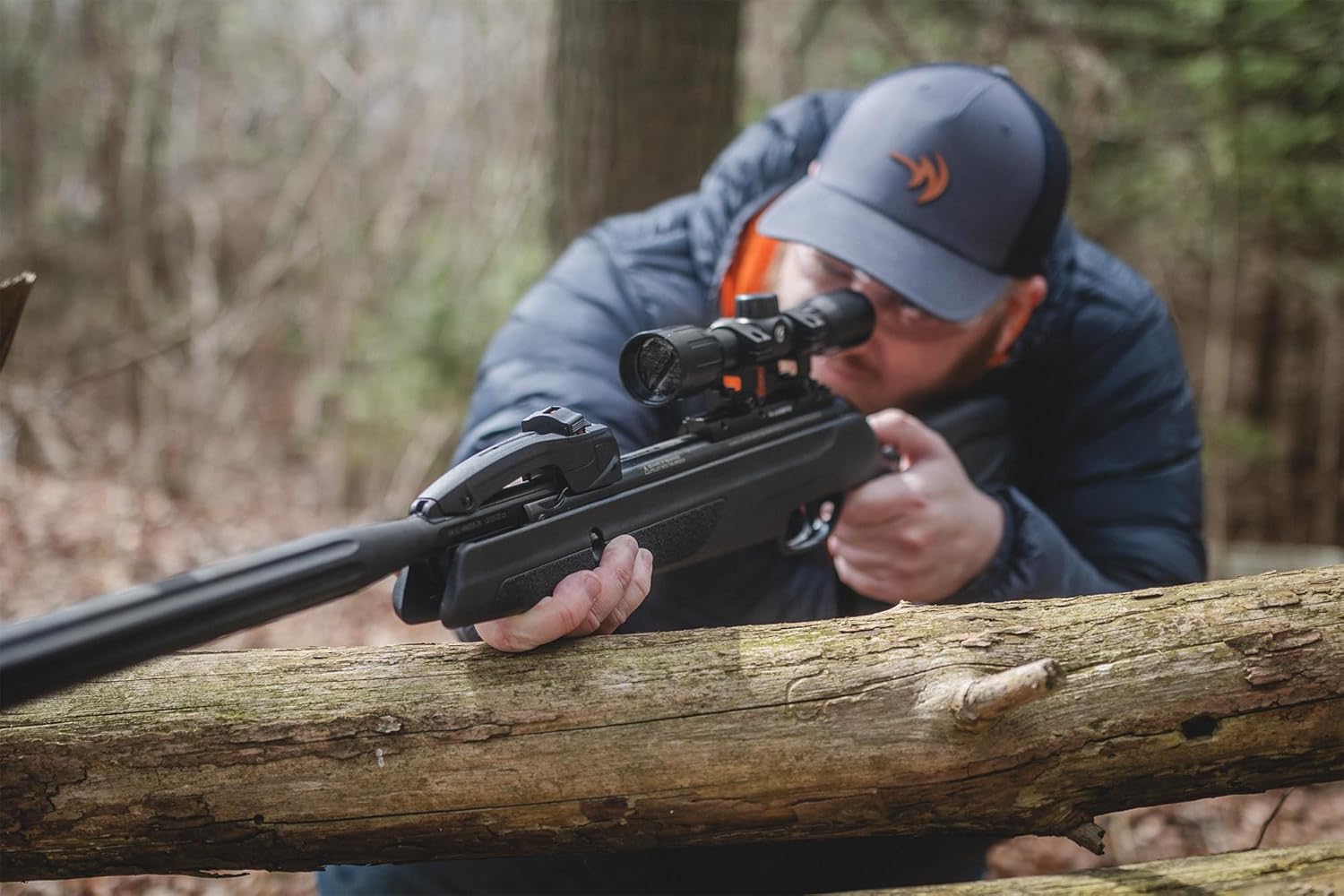
There’s a reason seasoned hunters respect the clock.
Low light increases the risk of:
- Misidentifying targets
- Poor shot placement
- Accidental injuries to other hunters
Ethical hunting is about more than legality. It’s about making clean shots and respecting the animal. When light fades, even the best optics have limits.
Following wisconsin deer hunting hours protects everyone in the woods. It keeps hunting fair, safe, and defensible in the eyes of the public. That matters more now than ever.
Quick Reference Fact Sheet: Wisconsin Deer Hunting Hours Basics
Below is a simple fact sheet hunters often bookmark or screenshot. It’s designed to be shared, cited, and used in the field.
| Topic | What You Need to Know |
|---|---|
| What hunting hours mean | Legal times you may shoot a deer |
| Set by | Wisconsin Department of Natural Resources |
| Based on | Sunrise, sunset, date, and location |
| Same statewide? | No, hours vary by latitude |
| Change daily? | Yes, especially in fall |
| Applies to | Archery, gun, muzzleloader seasons |
| Guessing allowed? | No, exact times are enforced |
This kind of quick reference is what experienced hunters rely on when things get busy during the season.
Deer Hunting Hours by Season in Wisconsin
One of the most common questions I hear every year is whether hunting hours change depending on the season. The short answer is yes and no, and that’s where people get tripped up.
The method you’re using does not change the legal shooting hours, but the time of year absolutely does. Let’s walk through it season by season, the same way I’d explain it to someone new to Wisconsin hunting.
Archery Season Hunting Hours
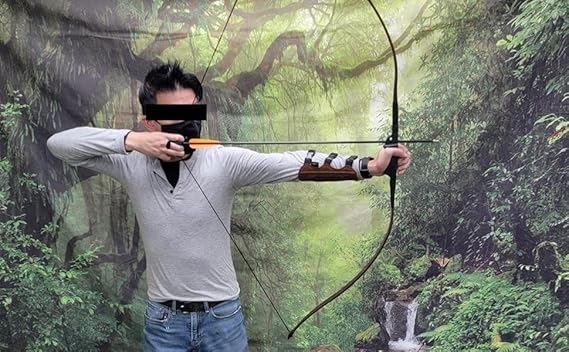
During archery season, wisconsin deer hunting hours follow the same legal shooting time structure as other seasons. That surprises a lot of bowhunters.
Even though archery hunting feels quieter and more personal, the clock still matters. You cannot shoot earlier or later just because you’re using a bow.
What does change during archery season is daylight itself. Early archery season usually means:
- Longer evenings
- Earlier legal start times
- More usable light after work
This is why many hunters love September and early October. You get legal shooting time that feels generous, especially in the evening.
But once daylight starts shrinking, those archery hours tighten up fast. If you hunt deep into October or early November with a bow, you’ll notice the same pressure on timing as firearm hunters.
Gun Deer Season Hunting Hours
Gun deer season is where timing mistakes happen most often.
The November firearm season has shorter days, heavier hunting pressure, and more people in the woods. That combination is exactly why wardens watch shooting hours closely.
During gun season:
- Legal shooting hours are often shorter than hunters expect
- Evening cutoffs come earlier every week
- Visibility drops fast in thick cover
Many experienced hunters stop hunting before legal shooting hours end, especially in dense woods. Not because they have to, but because ethical shot placement becomes harder as light fades.
If you’re hunting with a firearm, always know the exact daily legal cutoff time. Guessing during gun season is a fast way to end your hunt with a citation.
Muzzleloader and Special Hunt Hours
Muzzleloader season and special hunts, including youth hunts, follow the same wisconsin deer hunting hours as other seasons for those dates.
This is another common misunderstanding. Special hunts do not mean special hours.
Late season hunts often feel darker and colder, which makes accurate timekeeping even more important. Snow cover can reflect light and make it feel brighter than it actually is, but the legal clock does not care how bright it looks.
When you’re hunting late season, checking hours daily is non negotiable.
How to Check Today’s Wisconsin Deer Hunting Hours
If there’s one habit that separates experienced hunters from everyone else, it’s this: they check the hours every day they hunt.
Not once per season. Not when they buy their license. Every single hunting day.
Using the Wisconsin DNR Shooting Hours Table
The most reliable source for wisconsin deer hunting hours is the official Wisconsin DNR shooting hours table.
This table:
- Lists legal shooting times by date
- Accounts for geographic differences
- Is considered the legal authority in the field
Many hunters print the table before the season starts and keep it in their pack. Others laminate it or keep a folded copy in a license holder.
According to Wisconsin DNR regulations, hunters are responsible for knowing the legal shooting hours for their location and date, even if they rely on digital tools.
If there is ever a disagreement about time, the DNR table is what enforcement officers reference.
Mobile Apps and Tools Hunters Use in the Field
Technology can help, but it has to be used wisely.
Many hunters use hunting apps that calculate sunrise and sunset based on GPS location. When set correctly, these apps can be very accurate.
That said, I always recommend:
- Double checking app settings before the season
- Making sure location services are accurate
- Having a backup, like a printed table
Phones die. Signals drop. Cold drains batteries fast. Experienced hunters plan for that.
The goal is not convenience. The goal is staying legal and hunting with confidence.
County, Location, and Latitude Differences in Hunting Hours
Here’s something that catches even seasoned hunters off guard.
Wisconsin deer hunting hours are not exactly the same everywhere in the state.
A hunter in northern Wisconsin will have slightly different legal times than someone hunting in the southern part of the state on the same day.
Do Hunting Hours Vary by County in Wisconsin?
Yes, and latitude is the reason.
Because Wisconsin stretches north to south, sunrise and sunset happen at different times depending on location. The DNR shooting hours table accounts for this by grouping areas with similar daylight patterns.
This means:
- Northern counties often have slightly later sunrise and earlier sunset
- Southern counties usually get a few extra minutes of legal light
The difference may only be minutes, but minutes matter when it comes to legal shooting time.
If you hunt in different parts of the state, always check hours for where you are hunting, not where you live.
Public Land vs Private Land Hours
This one is simple, but it’s worth saying clearly.
Legal shooting hours are the same on public and private land.
Land ownership does not change the law. A deer shot outside legal hours is illegal, no matter where it happens.
I’ve heard every version of this myth over the years, and it always ends the same way. The rules apply everywhere.
Common Mistakes Hunters Make with Wisconsin Deer Hunting Hours
Even hunters who have been doing this for years slip up on time. Most violations are not intentional. They happen because someone assumed instead of checked.
Here are the mistakes I see most often.
Hunting Too Early or Too Late
This is the classic one.
A hunter hears movement in the dark and thinks, “It’s close enough.” Or a deer steps out right at last light and the shot feels justified. But wisconsin deer hunting hours are exact, not flexible.
Legal shooting time does not start when you can see a deer. It starts at a specific minute. The same goes for the evening cutoff.
Wardens hear the same explanation every season: “I thought I still had time.” Unfortunately, thinking does not count.
Experienced hunters usually stop hunting five to ten minutes before the legal end time, especially during gun season. That buffer removes doubt and protects your license.
Misunderstanding Sunrise and Sunset Times
Another common mistake is confusing:
- Actual sunrise with legal shooting start time
- Actual sunset with legal shooting end time
Legal shooting hours are based on specific sunrise and sunset calculations, not when the sun looks like it is up or down. Cloud cover, snow, and open terrain can all change how light feels.
That’s why relying on visual cues alone is risky.
If you cannot confidently state the exact legal time, you should not be taking a shot.
Penalties for Violating Wisconsin Deer Hunting Hours
Nobody likes talking about penalties, but understanding them helps reinforce why this matters.
Violating wisconsin deer hunting hours is considered a serious offense because it involves safety and fair chase.
Legal Consequences and Fines
Penalties can include:
- Citations and fines
- Possible loss of harvested deer
- License suspension or revocation for repeat violations
Conservation wardens have several ways to verify time, including:
- Witness statements
- Shot reports from nearby hunters
- Digital time stamps
- Physical evidence in the field
If the evidence shows a deer was shot outside legal hours, intent does not matter. The violation stands.
According to Wisconsin hunting regulations, hunters are responsible for knowing and following legal shooting hours regardless of circumstances.
How to Protect Yourself from Accidental Violations
Seasoned hunters build simple habits that remove uncertainty.
Here’s what works:
- Check legal shooting hours the night before every hunt
- Write the end time on a piece of tape on your firearm or bow
- Set a phone alarm ten minutes before cutoff
- Stop hunting early when light is questionable
These habits are not about being overly cautious. They are about hunting confidently and responsibly.
Tips from Experienced Wisconsin Deer Hunters
This is the kind of advice you only get after spending years in stands and ground blinds across the state.
Time Management in the Stand
Veteran hunters plan their hunt around the clock, not the deer.
That means:
- Being set up before legal shooting hours begin
- Avoiding movement during the final minutes of legal light
- Packing up early enough to exit safely
During evening hunts, many experienced hunters are already unloading or lowering bows when newer hunters are still watching the tree line. That experience comes from knowing how fast legal light disappears.
Ethical Hunting Beyond Legal Hours
There is also a personal standard that goes beyond the law.
Ethical hunters do not push the edge of legal time. They do not take shots they cannot clearly see, even if the clock technically allows it.
Following wisconsin deer hunting hours is the minimum. Ethical hunting is choosing to stop when conditions are no longer right.
That mindset builds respect for the animal, the sport, and fellow hunters.
Frequently Asked Questions About Wisconsin Deer Hunting Hours
Over the years, these are the questions that come up again and again, especially from hunters who want to make sure they are doing everything right.
Can I Track or Scout Deer Outside Legal Shooting Hours?
Yes, with limits.
You can scout, walk, and observe deer outside wisconsin deer hunting hours as long as you are not actively hunting. That means:
- No weapon in a ready to use position
- No stalking or attempting to take a shot
- No actions that could reasonably be considered hunting
Once a weapon is in play, legal shooting hours apply.
Are Wisconsin Deer Hunting Hours Different on Opening Day?
No. Opening day follows the same legal shooting hours as any other day.
Opening morning often feels chaotic and exciting, which is exactly why hunters need to be extra mindful of time. The rules do not loosen just because it is opening day.
Do Youth or Special Deer Hunts Have Different Hours?
In most cases, no.
Youth hunts, holiday hunts, and special seasons still follow the daily legal shooting hours set by the Wisconsin DNR for those dates. The hunt may be special, but the clock is not.
Always check the current regulations for the specific hunt you are participating in, but never assume extended hours.
What Time Do I Have to Stop Shooting in Wisconsin?
You must stop shooting at the exact legal cutoff time listed for that day and location.
Not when it feels dark.
Not when you decide to leave.
Not after one last look.
When the time hits, the hunt is over for the day.
Final Takeaway on Wisconsin Deer Hunting Hours
If you take one thing away from all of this, let it be this: wisconsin deer hunting hours are simple, but they are strict.
They change by date.
They vary by location.
And they apply no matter how experienced you are or what weapon you use.
The best hunters I know do not guess. They do not push the edge. They check the hours, plan their hunt around them, and stop early when conditions call for it.
That approach keeps you legal, ethical, and confident in the field.
Before your next hunt:
- Check the official Wisconsin DNR shooting hours table
- Know your location and date
- Build in a safety buffer
- Hunt with respect for the animal and the law
Do that, and you will never have to second guess a shot or worry about a warden conversation ruining your season.
