You’re standing in your garage at 4:30 AM, coffee in hand, wondering if you missed the opener. I’ve been there more times than I care to admit. The deer hunting season ky runs from early September through mid-January, with multiple opportunities across archery, crossbow, muzzleloader, and modern gun seasons, but the specific dates depend on which zone you’re hunting and what weapon you’re carrying.
Let me walk you through everything you need to know about deer hunting season ky this year. I’ve spent the better part of two decades chasing whitetails across this state, from the hardwood ridges of eastern Kentucky to the agricultural bottomlands out west. What makes Kentucky special isn’t just the quality of deer, it’s the sheer number of opportunities we get to hunt them.
Kentucky Deer Hunting Season Dates 2024-2025
Kentucky gives us more days afield than almost any state in the region. The Kentucky Department of Fish and Wildlife Resources structures the seasons to manage our deer population while maximizing hunter opportunity. Here’s how it all breaks down.
Archery Season
Archery season opens statewide on the first Saturday in September and runs through mid-January. That’s over four months of bowhunting opportunity. For 2024-2025, you’re looking at September 7, 2024, through January 20, 2025, in most areas.
The beauty of archery season is that it runs concurrent with almost every other season. You can carry your bow during gun season if you want. Most serious bowhunters focus their efforts in September and October before the orange army arrives, then pick it back up in late December when the pressure drops.
Your bow needs to pull at least 35 pounds for a longbow or recurve, or 125 pounds for a compound. Arrows must have broadheads at least 7/8 inch wide. These aren’t suggestions, game wardens check, and the fines aren’t worth it.
Crossbow Season
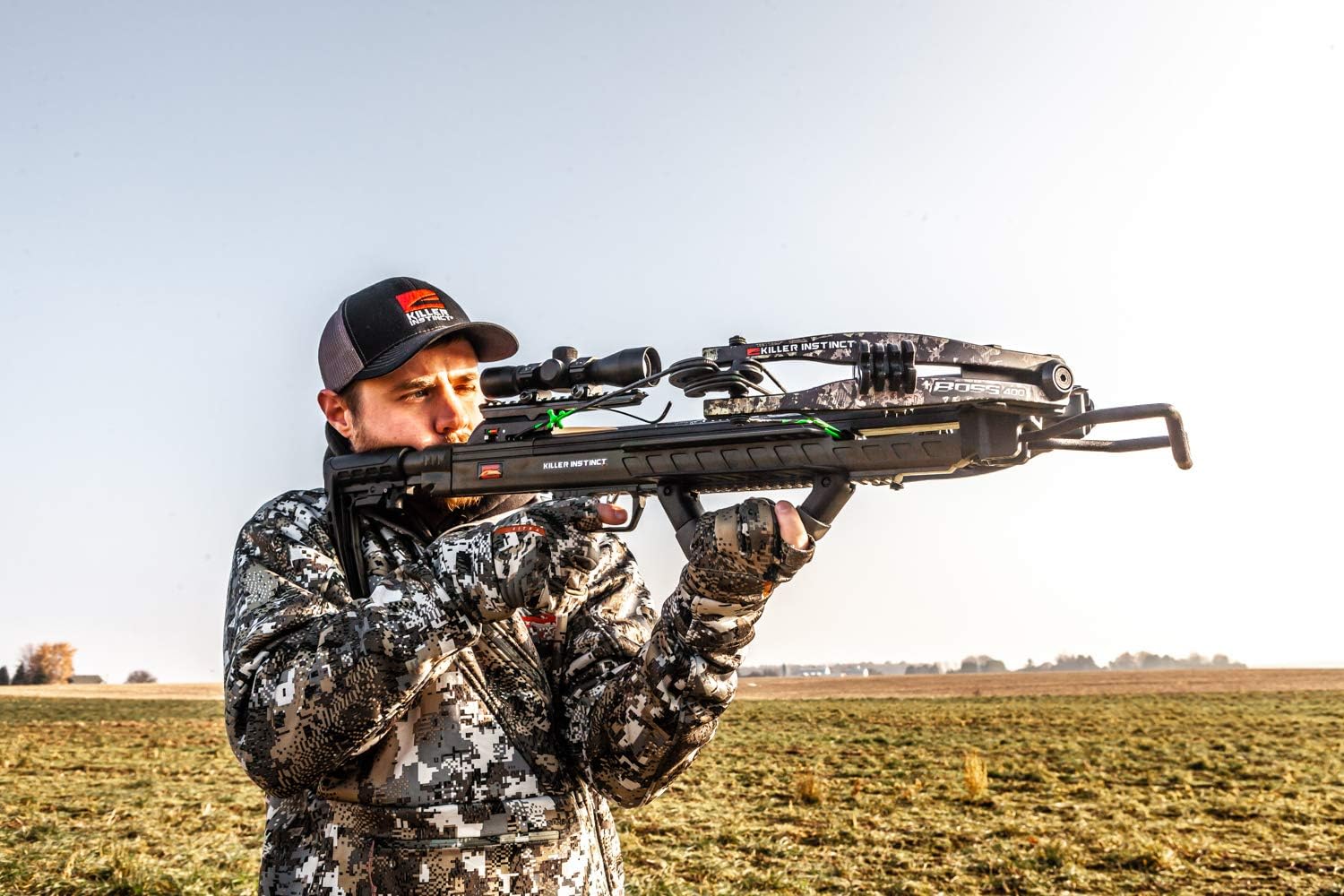
Crossbows used to be restricted in Kentucky, but now anyone with a valid hunting license can use one during the designated crossbow season. The dates mirror archery season pretty closely, running from early September through January.
Here’s what trips people up: crossbow minimum specifications. Your crossbow must have a minimum draw weight of 125 pounds and use bolts at least 14 inches long with broadheads measuring 7/8 inch minimum width. I’ve seen hunters show up with crossbows that don’t meet these specs, and their hunt ends before it starts.
The crossbow has opened up deer hunting to folks who can’t draw a traditional bow anymore. My uncle switched to crossbow after shoulder surgery, and he’s never looked back.
Muzzleloader Season
Muzzleloader season gives you a chance to hunt with primitive weapons before the modern gun crowd shows up. The dates vary by zone, but generally run in mid-October for about two weeks.
For the 2024-2025 season, most zones open around October 12 and close around October 27. Zone 1 in the far western part of the state sometimes has slightly different dates, so always check the current regulations for your specific county.
Your muzzleloader must be .40 caliber or larger and can only be loaded with a single projectile, no shot charges. Scopes are legal, which makes a huge difference for those of us with aging eyes. Modern inline muzzleloaders shooting saboted bullets are deadly accurate out to 150 yards or more.
Modern Gun Season
This is what most Kentucky hunters wait for all year. Modern gun season is split into segments, and there’s a youth-only weekend that kicks things off.
The youth deer hunt typically happens the first full weekend in November. For 2024, that’s November 9-10. Kids 15 and under can hunt any legal weapon, and they don’t need hunter orange during this period. They must be supervised by an adult who’s at least 18 years old.
The general modern gun season usually runs from the second Saturday in November through the following Sunday, giving you about nine days. Then there’s often a split, with a second weekend in mid-December. The exact dates change slightly year to year, but for 2024-2025, expect November 16-24 for the first segment and December 14-15 for the second weekend.
This is when Kentucky’s woods turn orange. You’ll have plenty of company, but you’ll also see deer moving during legal shooting hours as they try to navigate all the pressure.
Free Youth Weekend
Kentucky offers a free youth deer hunt weekend where kids can hunt without purchasing a license. It usually happens in early October, giving young hunters a chance to chase deer before the chaos of gun season.
Youths must still be supervised, and all other regulations apply. This weekend has introduced thousands of Kentucky kids to deer hunting over the years. If you’ve got youngsters who want to hunt, this is your gateway.
Late Urban Season
Several Kentucky counties offer extended urban deer seasons that can run into late January or even February. These hunts happen in cities and suburbs dealing with overpopulated deer herds.
The urban season structure varies by location. Some areas allow archery only, while others permit shotgun with slugs. Check with your local county regulations if you live near an urban zone. The deer in these areas see minimal hunting pressure during regular seasons and can offer surprisingly good opportunities.
Understanding Kentucky’s Deer Hunting Zones
Kentucky divides the state into zones primarily for management purposes. The zones don’t affect your season dates as much as they once did, but they still matter for certain regulations and quota hunts.
Zone 1 vs Zone 2 vs Zone 3 vs Zone 4
Zone 1 covers the far western counties, essentially the Jackson Purchase region. This agricultural area produces some massive-bodied deer thanks to all the soybeans and corn.
Zone 2 encompasses the western and central portions of the state. You’ll find good deer numbers here, with a mix of agriculture and timber.
Zone 3 includes much of eastern Kentucky, where the terrain gets steep and the forests get thick. The deer here might not have the body size of western Kentucky bucks, but the hunting is challenging and rewarding.
Zone 4 is a small area that sometimes appears on regulatory maps for specific hunts or regulations. Most hunters won’t deal with Zone 4 restrictions.
The honest truth is that zone designations matter less now than they did a decade ago. Kentucky has largely standardized seasons statewide, with only minor variations. Where zones really come into play is with bonus deer permits and special hunts on public land.
How to Determine Your Hunting Zone
Every Kentucky county is assigned to a zone. The easiest way to check is on the Kentucky Department of Fish and Wildlife Resources website, where they maintain an updated county-by-zone list.
If you’re hunting across multiple counties during a single season, you need to know which zone each property falls into. The regulations follow the zone where you’re physically hunting, not where you bought your license.
Kentucky Deer Hunting Licenses and Permits
Getting legal to hunt deer in Kentucky is straightforward, but there are enough options that first-timers sometimes get confused.
Required Licenses for Residents
Residents need a base hunting license plus a deer permit. The combination runs around $30 total as of the 2024 season. You can buy them online, at license agents statewide, or through the Kentucky Fish and Wildlife app.
Your deer permit is good for the entire season across all weapon types. One permit, all seasons. That’s one of the things Kentucky does right.
The statewide permit allows you to hunt deer anywhere in Kentucky on public or private land where you have permission. There’s no need to buy county-specific permits unless you’re going after bonus deer.
Non-Resident Licensing
Non-residents pay more, but Kentucky remains one of the better values in the region. A non-resident hunting license and deer permit runs around $200 for statewide access.
You can also purchase a single-county non-resident permit for roughly half that cost. If you’ve got a lease in one county or a buddy with land, the single-county option makes sense financially.
Non-residents should buy licenses early if planning to hunt during gun season. While Kentucky doesn’t typically sell out of licenses, having everything squared away before your hunt eliminates last-minute stress.
Youth and Senior Exemptions
Kentucky offers discounted licenses for seniors and special pricing for youth hunters. Kids under 16 pay reduced rates, and the free youth hunt weekend requires no license at all.
Seniors 65 and older get substantial discounts on hunting licenses. If you’re entering your retirement years, Kentucky makes it affordable to stay in the woods.
Bonus Deer Permits
Here’s where Kentucky really shines. Many counties offer bonus deer permits that let you harvest additional deer beyond your base bag limit. These county-specific permits cost around $20 each.
Counties with overabundant deer populations want hunters to harvest more does. The bonus permit system incentivizes that harvest while generating revenue for wildlife management. I typically buy at least two bonus permits for the counties where I hunt most often.
You can stack multiple bonus permits. I know hunters who’ve tagged eight or ten deer in a single season using bonus permits in high-density counties.
Bag Limits and Harvest Regulations
Kentucky’s bag limits are generous compared to neighboring states, but you need to understand the structure to stay legal.
Statewide Bag Limits
Your base deer permit allows you to harvest four deer statewide during the combined seasons. At least two of those must be antlerless. The other two can be either antlered or antlerless, your choice.
That’s the baseline everyone starts with. It’s a solid allocation that lets you take a couple of bucks and help with doe management.
The four-deer limit resets annually. You can’t carry unused tags from one year to the next, so if you don’t fill all four tags, they expire at season’s end.
Antlered vs Antlerless Restrictions by Season Type
During archery and crossbow season, you can take any legal deer, buck or doe. Same goes for muzzleloader season in most zones.
Modern gun season has more restrictions in some areas. Certain zones or specific hunts might require you to take an antlerless deer before harvesting an antlered deer. These regulations change based on population management needs, so check current rules for your zone.
The youth hunts typically allow either sex, giving young hunters the best chance at success.
Antler Point Restrictions
Kentucky doesn’t have statewide antler point restrictions for most hunting. That sets us apart from states like Pennsylvania or Michigan where you need a certain number of points to legally harvest a buck.
Some individual properties and Wildlife Management Areas implement voluntary or mandatory antler restrictions, but those are property-specific. On most private and public land, if it’s got antlers, it’s legal.
This approach prioritizes hunter opportunity over trophy management. It means you might see some younger bucks harvested, but it also means a kid or first-time hunter can shoot the first buck they see without worrying about counting points.
Bonus Harvest Opportunities
Counties with bonus permits let you exceed the four-deer statewide limit. Each bonus permit typically allows one additional antlerless deer harvest.
Urban zones sometimes have even more liberal limits. Some areas allow you to take multiple deer per day during extended urban seasons. These hunts focus on population control in areas where deer-vehicle collisions and crop damage are serious problems.
The western Kentucky counties often have the most generous bonus opportunities. I’ve hunted areas where you could legally tag six or seven deer in a single season if you put in the time.
Legal Hunting Methods and Equipment Requirements
Kentucky law spells out exactly what you can and can’t use to hunt deer. Ignorance isn’t an excuse, and game wardens take equipment violations seriously.
Firearms Regulations
During modern gun season, you can use any rifle or handgun larger than .243 caliber. Shotguns must use slugs, no buckshot for deer in Kentucky.
Most Kentucky deer hunters shoot .270, .308, or .30-06 rifles. These calibers offer enough power for clean kills at typical Kentucky shooting distances without excessive recoil. The terrain and thick vegetation means most shots happen under 150 yards anyway.
Muzzleloaders must be .40 caliber minimum, loaded with a single projectile. Both traditional and inline muzzleloaders are legal. Scopes are permitted, and most modern inline muzzleloaders can shoot accurately to 150-200 yards with saboted bullets.
Archery Equipment Standards
Longbows and recurves need at least 35 pounds of draw weight. Compound bows need 35 pounds at the hunter’s draw length. Crossbows require 125 pounds minimum.
All arrows and bolts must have broadheads measuring at least 7/8 inch at the widest point. Fixed blade and mechanical broadheads are both legal.
I’ve seen hunters try to use practice points or field points for deer. That’s illegal and unethical. Broadheads are required, period.
Prohibited Methods and Equipment
You cannot use artificial light to hunt deer in Kentucky. No spotlights, no night vision, no thermal optics. Hunting hours are half an hour before sunrise to half an hour after sunset.
Electronic calls are legal for deer, though most serious hunters stick with grunt tubes and rattling antlers. You can use scents and attractants.
Baiting is illegal statewide. You cannot hunt over bait, including corn, salt licks, or food plots specifically planted to attract deer to a hunting location. However, standing agricultural crops are legal. This distinction confuses people, but here’s the simple version: if a farmer planted it for legitimate agricultural purposes, you can hunt over it. If you dumped a pile of corn to attract deer, that’s bait.
You cannot use dogs to hunt deer. You cannot hunt from a vehicle, aircraft, or boat under power. And you cannot use full-auto firearms, but that should go without saying.
Where to Hunt Deer in Kentucky
Finding a place to hunt is half the battle. Kentucky offers both public and private land opportunities.
Public Land Hunting Opportunities
Kentucky maintains over a million acres of public hunting land through Wildlife Management Areas, state forests, and national forest lands. That’s a lot of ground.
The Daniel Boone National Forest spans 700,000 acres across eastern Kentucky. It’s free to hunt with your Kentucky license, and while some areas get pressure, you can find solitude if you’re willing to walk.
Land Between the Lakes is another gem. This 170,000-acre area between Kentucky Lake and Lake Barkley offers excellent deer hunting, though you’ll need a special LBL hunting permit in addition to your state license.
Wildlife Management Areas range from a few hundred acres to tens of thousands. Some WMAs have quota hunts that require separate applications. Others are open access first-come, first-served.
Public land hunting means dealing with other hunters. The key is going deeper than everyone else. Most hunters stay within a quarter mile of the parking area. If you’ll walk a mile or two, you’ll find deer that see minimal pressure.
Private Land Hunting
Most Kentucky deer are killed on private land. If you own property or know someone who does, you’re ahead of the game.
Always get written permission to hunt private property. Verbal permission works until there’s a misunderstanding, and then it’s your word against theirs. A simple permission slip with the landowner’s signature saves headaches.
Trespassing is a serious offense in Kentucky. Know your boundaries. Use GPS or property line markers. Claiming you didn’t know where the line was won’t help when the game warden writes the ticket.
If you don’t have land connections, consider leasing. Hunting leases in Kentucky run from a few hundred dollars per year for modest properties to several thousand for prime ground. It’s an investment, but having a place you can hunt whenever you want is worth it.
Top Counties for Deer Hunting Success
Looking at harvest data from Kentucky Fish and Wildlife, the western counties consistently produce the most deer. Christian, Trigg, Todd, and Logan counties routinely rank in the top ten for total deer harvest.
Central Kentucky counties like Barren, Green, and Taylor also show strong numbers. The mix of agriculture and timber in these areas creates ideal deer habitat.
Eastern Kentucky has fewer deer per square mile, but the rugged terrain produces mature bucks that know how to survive. If you’re after a mountain buck, counties like Pike, Letcher, and Harlan are worth exploring.
Kentucky Deer Biology and Behavior
Understanding how deer think and move makes you a better hunter. Kentucky’s whitetails follow predictable patterns if you know what to look for.
White-Tailed Deer Population in Kentucky
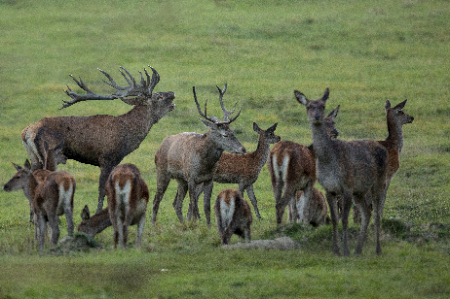
Kentucky’s deer herd has exploded over the past 50 years. In the 1940s, the state had almost no deer. Restocking efforts and modern wildlife management have created a population estimated at nearly one million animals today.
That’s roughly one deer for every four people in Kentucky. We’ve got deer, and in many counties, we’ve got too many deer. That’s why harvest quotas remain liberal and bonus permits are available.
The goal of Kentucky Fish and Wildlife is to maintain a healthy, sustainable deer herd while minimizing human-deer conflicts. Deer-vehicle collisions cost millions annually, and agricultural damage is a real concern for farmers.
Rutting Season Timing
The rut is the Super Bowl of deer hunting. In Kentucky, peak rut typically hits in mid-November, perfectly coinciding with modern gun season.
You’ll start seeing rut activity, scrapes, rubs, bucks chasing does, in late October. By November 10-15, it’s usually game on. Bucks throw caution aside and move during daylight hours searching for receptive does.
The rut timing stays remarkably consistent year to year. I’ve hunted Kentucky for two decades, and mid-November has always been peak chaos. Some regions claim moon phase affects rut timing, but in Kentucky, it happens when it happens, right around November 12-18 every year.
A secondary rut can occur in early December when unbred does cycle again. It’s less intense than the primary rut, but still offers solid hunting.
Deer Movement Patterns Throughout the Season
Early season deer stick to predictable feeding patterns. They bed in heavy cover during the day and move to food sources toward evening. Your job is setting up along those travel corridors.
As hunting pressure increases through October and into November, deer become more nocturnal on heavily hunted properties. They wait until dark to move into open fields. This is when hunting the edges of thick cover pays off, catch them in transition zones before full dark.
During the rut, all bets are off. Bucks might show up anywhere, anytime. They’re cruising for does, checking scrapes, and generally acting stupid. This is when calling and rattling work best.
Late season deer return to feeding patterns, but now they’re grouped up. Find the remaining food sources, standing corn, oak ridges with acorns, or leftover soybeans, and you’ll find deer.
Cold weather concentrates deer on food. After a week of temperatures in the 20s, deer need calories. They’ll feed heavily before weather fronts and during midday temperature spikes.
Proven Hunting Strategies for Kentucky Deer
Let me share what actually works in Kentucky’s varied terrain and seasons.
Early Season Tactics
September and early October deer are patternable. They’re hitting food sources hard, building fat reserves for winter. Set up on trails between bedding and feeding areas.
Water sources matter in early season. If it’s hot and dry, find water and you’ll find deer. I’ve killed several early season bucks near creek crossings and pond edges.
Scent control is critical in warm weather. Bacteria thrive in heat, making human odor worse. Hunt with the wind, use scent eliminators, and play it smart.
Rut Hunting Strategies
The rut is when aggressive tactics pay off. I carry a grunt tube and rattling antlers every November sit.
Set up on doe bedding areas or near scrape lines. Bucks will check these areas throughout the day. Don’t be afraid to call. A buck grunt every 30 minutes and some light rattling can bring a cruising buck into range.
All-day sits during peak rut are worth it. I’ve killed bucks at 10 AM, noon, and 2 PM during the rut. They’re moving whenever they feel like it.
Late Season Success
December and January hunting is about food. The leaves are down, the rut is over, and deer are focused on survival.
Find the food source. In agricultural areas, look for standing corn or winter wheat. In timber, find oak ridges with leftover acorns. Late season deer concentrate on whatever food remains available.
Dress warm. Kentucky can be brutally cold in January. Layered clothing and quality insulation make the difference between toughing out a morning sit and cutting it short.
Public Land Hunting Tips
Public land requires different tactics. Expect pressure, especially near parking areas and easy access points.
Scout during the week if you hunt weekends. Find areas where other hunters aren’t going. Look for terrain features that naturally funnel deer, saddles, creek crossings, ridge points.
Set up between bedding areas and other hunters. When opening morning orange marchers push deer, be in position to intercept them. I’ve killed several public land bucks by being where pressured deer naturally escape to.
Mobile hunting works on public land. A climber or hang-on stand lets you adapt to changing conditions and pressure. Don’t get married to one spot.
Essential Gear for Kentucky Deer Hunters
You don’t need a fortune in gear, but certain items make Kentucky deer hunting more successful and comfortable.
Weapon Setup Recommendations
For rifles, anything from .243 to .30-06 works fine for Kentucky whitetails. Most of my deer have fallen to a .308 loaded with 150-grain bullets. It’s enough gun without beating me up.
For archery, a 50-60 pound draw weight compound bow handles Kentucky deer just fine. Fixed blade broadheads eliminate the worry about mechanical failure, though modern mechanicals are reliable.
Sight in your weapon properly. A rifle should be dead-on at 100 yards. A bow should be dialed in to at least 40 yards with pins for multiple distances.
Clothing for Variable Kentucky Weather
Kentucky weather is unpredictable. You might have 70-degree mornings in September and 20-degree mornings in January. Layering is essential.
Early season calls for lightweight, breathable clothing. I hunt in merino wool base layers even when it’s warm, wool manages odor better than synthetics.
Late season means heavy insulation. Quality boots rated for cold weather are non-negotiable. Your feet will get cold before anything else.
Safety Equipment Requirements
Kentucky requires 400 square inches of hunter orange visible on your chest and back during modern gun season. A vest and hat covers the requirement.
You don’t need orange during archery season, but I still wear an orange hat when walking to and from my stand during gun season overlap periods. Better safe than sorry.
Tree stand safety systems save lives. Use a full-body harness every time you climb. Attach your lifeline before you go up and stay connected until you’re back on the ground. Falls are the leading cause of serious hunting injuries, and they’re completely preventable.
Field Dressing and Meat Processing
You’ve put in the work. Now it’s time to take care of the venison.
Immediate Field Care
Field dress your deer as soon as possible, especially in warm weather. The goal is cooling the carcass quickly to prevent spoilage.
Make your cut from the pelvis to the breastbone, being careful not to puncture the stomach or intestines. Remove all internal organs. If you’ve never field dressed a deer, watch a few YouTube videos beforehand, it’s not complicated once you’ve done it.
In early season heat, pack the body cavity with ice if you’ve got a long drag or wait ahead. Bacteria multiply fast above 50 degrees.
Tagging and Reporting Requirements
Kentucky requires you to tag your deer immediately after harvest. Your deer permit has physical tags you must attach to the deer before moving it.
Then you must report your harvest through Kentucky’s Telecheck system within 24 hours. You can call or use the online system or mobile app. You’ll receive a confirmation number, keep that number.
Failure to tag or report is a serious violation. Game wardens check, and the penalties include fines and potential loss of hunting privileges.
Processing and Venison Storage
You can process your own deer or take it to a licensed processor. I do my own butchering because I like controlling the cuts and knowing exactly what I’m getting.
Basic processing tools include a sharp knife, a bone saw, and a grinder if you’re making ground venison. You can break down a whole deer in an afternoon once you know what you’re doing.
Vacuum seal your venison for freezer storage. Properly sealed and frozen, venison stays good for a year or more. Label everything with date and cut, you’ll thank yourself later.
Chronic Wasting Disease in Kentucky
CWD is the elephant in the room for deer hunters nationwide. Kentucky has handled it better than most states, but we’re not immune.
Current CWD Status
As of 2024, Kentucky has detected CWD in a small number of deer, primarily in the far western counties near the Tennessee border. The disease hasn’t spread rapidly, thanks to aggressive surveillance and management.
Kentucky prohibits importing whole deer carcasses from CWD-positive states. You can bring back deboned meat, finished taxidermy, and clean skull plates, but no spinal column or brain tissue can cross the border.
Testing and Prevention
Kentucky offers free CWD testing through drop-off locations across the state. If you’ve harvested a deer in or near a known CWD area, getting it tested is smart.
CWD spreads through prions, misfolded proteins, that can persist in soil for years. There’s no evidence CWD transfers to humans, but standard recommendations say don’t eat meat from CWD-positive animals.
Handle deer with basic hygiene. Wear gloves when field dressing. Don’t consume brain or spinal tissue. These practices minimize any theoretical risk.
Frequently Asked Questions
When does deer season start in Kentucky?
Kentucky’s earliest deer hunting opportunity starts the first Saturday in September with archery season. For 2024, that’s September 7. Crossbow season also begins in early September, giving hunters multiple weapon options from the season opener through mid-January.
How many deer can you kill in Kentucky?
Your base permit allows four deer statewide, with at least two being antlerless. You can increase that limit significantly by purchasing county bonus deer permits, which each allow one additional antlerless deer. In high-density counties, some hunters harvest eight to ten deer annually through bonus permits.
Do you need a license to hunt on your own property in Kentucky?
Yes. Kentucky requires all hunters to have a valid hunting license and appropriate deer permit, even on their own land. The only exceptions are for landowners and their immediate family members under specific conditions, but the rule of thumb is: if you’re hunting, you need a license.
What is the best time to hunt deer in Kentucky?
Mid-November during the peak rut offers the best combination of deer activity and favorable hunting conditions. However, early October can be excellent for patterning unpressured deer, and late December provides opportunities on cold-weather feeding patterns. The “best” time really depends on whether you prefer hunting predictable patterns or rut chaos.
Can you bait deer in Kentucky?
No. Baiting deer is illegal statewide in Kentucky. You cannot hunt over corn piles, salt licks, or any substance placed to attract deer. Standing agricultural crops planted for legitimate farming purposes are legal to hunt over, but intentionally baiting is a violation that carries stiff penalties.
What caliber is legal for deer hunting in Kentucky?
Any rifle or handgun .243 caliber or larger is legal for deer during modern gun season. Most Kentucky hunters use .270, .308, or .30-06 calibers. Shotguns must use slugs, buckshot is prohibited for deer. Muzzleloaders must be .40 caliber minimum with a single projectile.
Kentucky Deer Season Quick Reference Guide
| Season Type | Typical Dates | Weapon Requirements | Bag Limit |
|---|---|---|---|
| Archery | Early Sept – Mid Jan | 35 lb min (bow), 125 lb min (crossbow) | 4 deer (2+ antlerless) |
| Crossbow | Early Sept – Mid Jan | 125 lb min, 14″ bolts, 7/8″ broadheads | 4 deer (2+ antlerless) |
| Muzzleloader | Mid Oct (10-14 days) | .40 cal min, single projectile | 4 deer (2+ antlerless) |
| Youth Hunt | Early Nov weekend | Any legal weapon, adult supervision | Follows standard limits |
| Modern Gun | Mid Nov (9 days) + Dec weekend | .243+ caliber or shotgun slugs | 4 deer (2+ antlerless) |
| Urban/Bonus | Varies by county | County-specific rules | Additional with permits |
Note: Dates vary slightly by year and zone. Always verify current season dates with Kentucky Department of Fish and Wildlife Resources before your hunt.
Final Thoughts
Kentucky gives us something special, months of opportunity to chase whitetails across some of the finest deer habitat in the country. Whether you’re a bowhunter who lives for September mornings or a gun hunter waiting for that November cold snap, this state offers chances that many hunters in other states can only dream about.
The regulations might seem complicated at first, but they’re designed with two goals: maintaining healthy deer populations and giving hunters maximum opportunity. Once you understand the zone system, bag limits, and season structures, it all makes sense.
Get your license early. Scout your areas before opening day. Check the current regulations because details change year to year. And most importantly, respect the resource. Kentucky’s deer herd is a success story built on decades of sound management and ethical hunting.
I’ll see you in the woods this fall. Be safe, hunt smart, and make your shots count.
For the most current season dates, regulations, and license information, visit the Kentucky Department of Fish and Wildlife Resources website at fw.ky.gov or call (800) 858-1549. Regulations are subject to change, and it’s every hunter’s responsibility to know current rules before heading afield.
