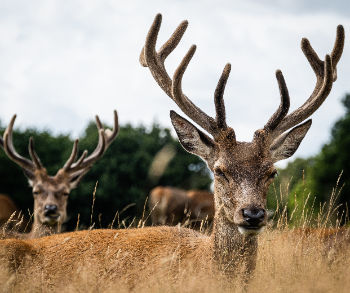
If you’re planning to hunt whitetails in Maine this year, you’re probably wondering when the season opens, what licenses you need, and which zones give you the best shot at tagging a deer. Maine’s deer hunting season runs from late September through late November, with specific dates varying by weapon type and location. Whether you’re a first-timer or a seasoned hunter, understanding the state’s Wildlife Management Districts, permit lottery system, and zone-specific regulations will make the difference between a frustrating season and a successful one.
Let me walk you through everything you need to know.
Maine Deer Hunting Season Dates & Structure
Maine structures its deer season around three main periods: archery, firearms, and muzzleloader. Each has its own window, and some overlap depending on where you hunt.
Archery Season
Archery season is the longest stretch on the calendar. It typically opens in early September and runs through mid-December in most Wildlife Management Districts. If you love the challenge of getting close and hunting during the early season when deer patterns are still predictable, this is your time.
The early archery period usually starts around September 13 and continues until the firearms season opens. Then there’s an expanded archery season that runs concurrently with firearms in many zones, giving bowhunters flexibility. After firearms season closes, archery picks back up and extends into December.
Firearms Season
Firearms season is what most people think of when they picture Maine deer hunting. It generally opens on the last Saturday in October or the first Saturday in November, depending on the calendar year. In 2025, expect firearms season to kick off around November 1.
This is the busiest time in the woods. Blaze orange is required, hunting pressure is high, and deer are on alert. The regular firearms season lasts about four weeks, closing at the end of November.
Youth Hunting Day
Maine sets aside a special youth day before the regular firearms opener. This gives young hunters aged 10 to 15 an exclusive opportunity to hunt with reduced competition and pressure. It’s typically the Saturday before the regular season opens. If you’re introducing a kid to deer hunting, this is gold.
Muzzleloader Season
Muzzleloader season runs for about a week, usually starting the Monday after Thanksgiving and extending into early December. Not all WMDs allow muzzleloader hunting during this period, so check your zone carefully. This season appeals to hunters who want one more crack at a buck after firearms season wraps up, with fewer people in the woods.
One quick note: exact dates shift slightly each year based on how weekends fall. Always verify current season dates through the Maine Department of Inland Fisheries & Wildlife before making plans.
Understanding Maine’s Wildlife Management Districts
Maine doesn’t use a simple statewide season structure. Instead, the state is divided into 29 Wildlife Management Districts, and each WMD has its own rules, permit allocations, and sometimes even different season dates.
How the Zone System Works
Think of WMDs as localized management units. The state uses them to tailor hunting regulations to specific deer population goals. Northern districts with harsh winters and lower deer densities often have more restrictive rules. Southern and coastal zones with milder weather and higher deer populations typically offer more liberal permit opportunities.
Each WMD is numbered and clearly marked on maps available from MDIFW. You can hunt in multiple districts during a season, but your permit type and the regulations you follow depend on where you’re physically hunting at that moment.
Northern vs. Southern Maine Differences
Northern Maine districts face challenges that southern zones don’t. Deep snow, long winters, and expansive forests mean deer densities are lower. Districts like WMD 1 through 6 often have buck-only rules or very limited any-deer permits to protect the herd.
Southern Maine, particularly coastal districts like WMD 24 through 29, supports healthier deer populations. You’ll find more bonus permits, more any-deer tags in the lottery, and generally better odds of seeing multiple deer per sit.
If you’re hunting the big woods up north, your strategy revolves around patience and covering ground. In southern agricultural zones, you’re managing hunting pressure and focusing on smaller parcels with concentrated deer activity.
Maine Deer Hunting Licenses & Permits
You can’t just walk into the woods with a rifle. Maine’s licensing and permit system has specific requirements, and understanding the difference between licenses and permits is critical.
Resident vs. Non-Resident Licenses
Residents pay significantly less than non-residents. A resident hunting license costs around $27, while non-residents pay closer to $115 for a basic hunting license. These prices fluctuate slightly each year, so check current fees on the MDIFW website.
Your hunting license is your baseline credential. It allows you to hunt, but it doesn’t give you the right to harvest a deer. For that, you need a permit.
Any-Deer vs. Buck Permits
Here’s where it gets interesting. Maine issues two types of deer permits: any-deer and buck-only.
An any-deer permit lets you harvest either a buck or a doe. These are highly sought after, especially in zones with healthy populations. The state distributes most any-deer permits through a lottery system. You apply in the spring, usually by mid-June, and drawings happen in July. If you’re drawn, you pay for your permit and you’re set. If not, you can still buy a buck permit.
Buck permits are available over the counter in most WMDs. These allow you to harvest a legal buck, which in most zones means a deer with at least one antler three inches or longer. Some northern districts have brow tine restrictions, meaning the buck must have a visible point coming off the base of at least one antler.
Bonus Permits
Certain WMDs with deer populations above management goals offer bonus any-deer permits. These are available after the lottery, sometimes right up until the season starts. Bonus permits give you an additional opportunity to harvest a deer beyond your first tag.
Southern coastal districts frequently offer bonus permits. If you’re serious about filling the freezer, applying for a bonus tag in these zones is a smart move.
Legal Requirements & Hunting Regulations
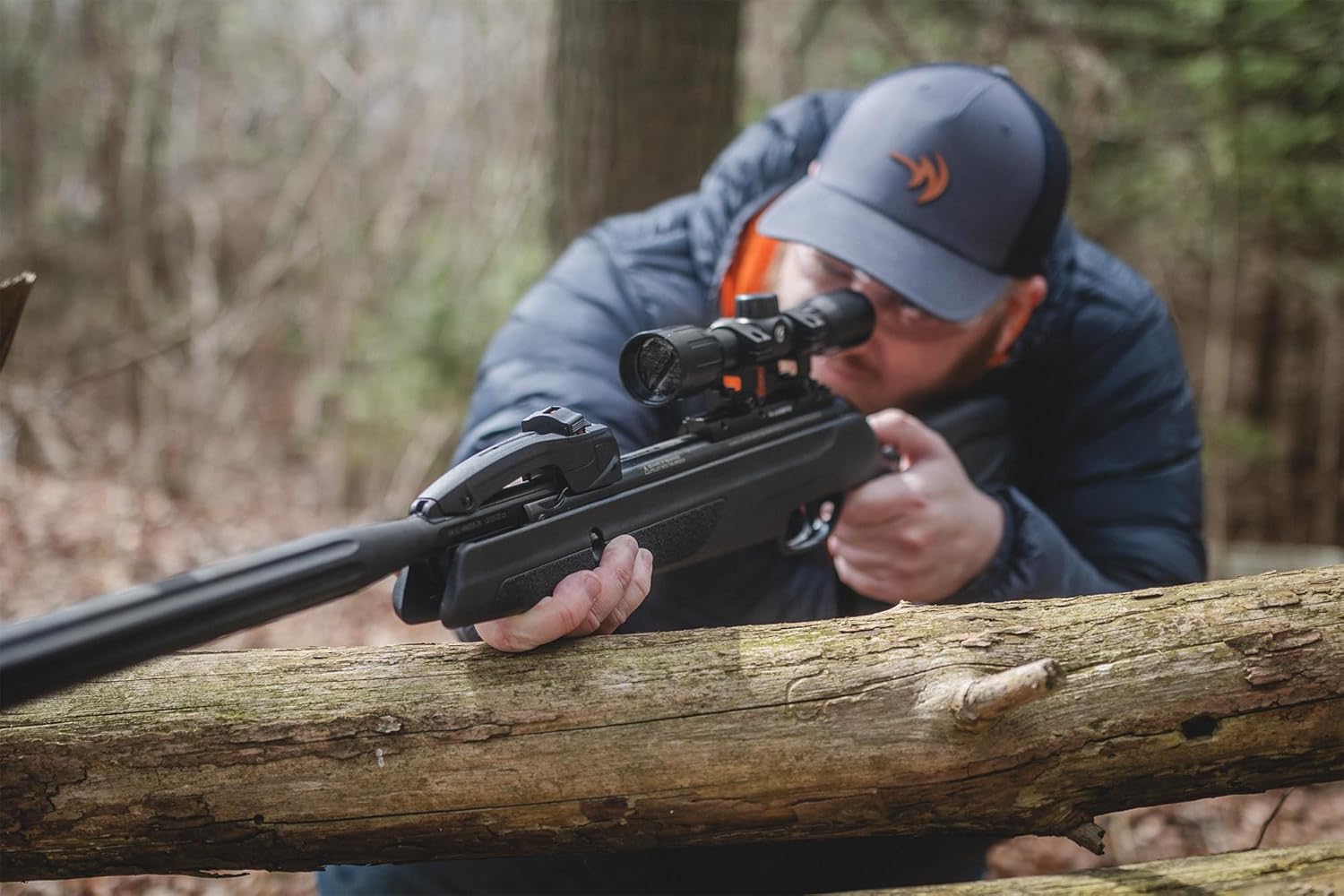
Maine’s regulations are straightforward, but violating them can cost you fines, your hunting privileges, or worse.
Weapon Restrictions
During firearms season, you can use rifles, shotguns, or muzzleloaders that meet specific criteria. Rifles must be .25 caliber or larger for cartridge rifles, and shotguns must fire slugs. No buckshot for deer.
Find out more about the best deer hunting rifles
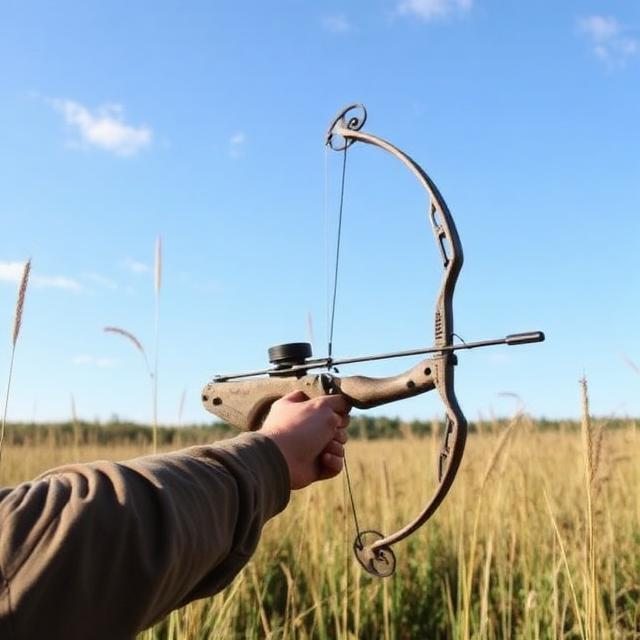
Archery equipment must meet minimum draw weight requirements: 35 pounds for recurves and longbows, 35 pounds for compound bows. Crossbows are legal for anyone during archery season, which is a relatively recent change that opened the season to more hunters.
Muzzleloaders must be .45 caliber or larger and use black powder or an approved substitute. No inline ignition systems that use modern primers are allowed in some zones, so double-check your WMD.
Blaze Orange Requirements
During firearms and muzzleloader seasons, you must wear a minimum of 500 square inches of solid blaze orange or blaze pink above your waist. A hat alone doesn’t cut it. You need a vest or jacket.
Archery hunters aren’t required to wear blaze orange during archery-only periods, but it’s not a bad idea if you’re hunting near roads or popular public land.
Tagging and Registration
When you harvest a deer, you must immediately validate your tag by cutting out the month and day of harvest. This tag stays with the deer until it’s registered.
You have 18 hours to register your deer at an official registration station or online through the MDIFW system. Registration isn’t optional. It’s how the state collects harvest data, monitors population trends, and makes management decisions for future seasons.
Keep your registration confirmation. Game wardens check these, and you don’t want to be the guy who can’t prove his deer is legal.
Antler Restrictions
Most of Maine uses a simple rule: one antler must be at least three inches long. Measure from the base to the tip of the longest point.
In some northern WMDs, there’s an additional brow tine rule. The buck must have a visible point at least one inch long projecting from the base of the antler. This restriction helps protect younger bucks and improve age structure in areas where deer populations are stressed.
If you’re unsure whether a buck is legal, don’t shoot. Take the extra seconds to glass the antlers carefully.
Best Hunting Strategies for Maine Deer
Maine whitetails behave differently depending on where you hunt, what the weather’s doing, and how much pressure they’re facing.
Understanding Rut Timing
The rut in Maine peaks in mid to late November, which aligns perfectly with firearms season. Bucks are moving, does are being pursued, and your chances of seeing deer during daylight hours improve dramatically.
In northern zones, the rut can be slightly earlier due to shorter daylight and harsher conditions. Southern zones sometimes see activity stretch into early December, especially during mild years.
Hunt the rut aggressively. Set up on travel corridors between bedding and feeding areas. Bucks will cruise through terrain they normally avoid, checking for does.
Stand Placement
Location is everything. In agricultural areas, focus on field edges, especially where woods provide cover within 50 yards of food sources. Cornfields, apple orchards, and clover plots draw deer consistently.
In the big woods, look for ridgelines, benches, and saddles. Deer move along these terrain features because they offer efficient travel routes and good visibility. Oak stands, beech groves, and areas with fresh browse are also productive.
Water sources matter more than most hunters realize, especially during dry Octobers. A seep or creek in thick cover can be a magnet.
Dealing with Hunting Pressure
Southern Maine public land gets hammered during firearms season. Deer respond by going nocturnal, bedding in thick cover, and avoiding open areas.
Push deeper than other hunters. Walk the extra half mile. Find the swamps, blowdowns, and nasty thickets where most people won’t go. That’s where pressured deer hide.
Hunt midday. Everyone else hunts dawn and dusk. From 10 a.m. to 2 p.m., deer that have been pushed around all morning are moving to new bedding areas. You’ll have the woods to yourself, and your chances of catching a buck relocating are solid.
Public Land vs. Private Land Opportunities
Maine offers excellent public land access, but knowing where to go and how to gain private land permission expands your options.
Top Public Hunting Areas
The North Maine Woods is the crown jewel for public access. Millions of acres of commercial timberland are open to hunting through a checkpoint system. You pay a small daily fee, follow the rules, and you have more country than you could explore in a lifetime.
State Wildlife Management Areas are scattered throughout Maine. These properties are managed specifically for wildlife and offer quality hunting. The Swan Island WMA, for example, has a controlled hunt with lottery access and excellent deer numbers.
Bureau of Parks and Lands holdings also provide huntable acres. These aren’t as well-known as North Maine Woods, but they’re often less crowded and closer to southern population centers.
Gaining Private Land Access
Maine law requires written permission to hunt on private land. A handshake doesn’t cut it. You need landowner consent in writing, and you should carry it with you.
Building relationships with landowners takes time. Offer to help with property maintenance, chores, or just be respectful and communicative. Don’t show up the day before the season and expect access to prime property.
If you’re granted permission, treat the land better than your own. Pack out trash, close gates, and report any issues you see. Landowners talk to each other. Your reputation matters.
What to Know About Maine’s Deer Population & Management
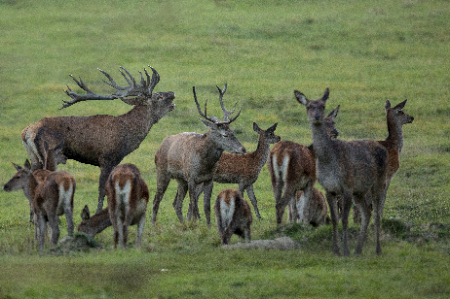
Maine’s deer herd isn’t uniform across the state. Population goals, winter severity, and habitat quality vary dramatically by region.
Current Herd Health
Southern and coastal districts are at or above population objectives. These areas provide the bulk of Maine’s annual deer harvest, often exceeding 30,000 animals.
Northern districts struggle with winter mortality. Deep snow and cold temperatures stress deer, especially fawns and older animals. The state manages these areas conservatively to prevent overharvest during tough years.
Habitat also plays a role. Recent timber harvests and young forests benefit deer by providing browse. Older, mature forests offer less food and lower carrying capacity.
Chronic Wasting Disease Monitoring
As of early 2025, Maine remains free of Chronic Wasting Disease. The state actively tests hunter-harvested deer, particularly in areas near known CWD zones in other states.
MDIFW encourages voluntary testing. If you hunt near the New Hampshire or Quebec borders, consider submitting your deer for testing. It’s free, helps the state monitor disease spread, and gives you peace of mind.
CWD is always a concern because once it’s established, it’s nearly impossible to eradicate. Maine’s proactive approach is critical to keeping the herd healthy.
Essential Gear for Maine Deer Hunting
You don’t need a ton of fancy equipment, but having the right basics makes your hunt safer and more productive.
Clothing for Variable Conditions
November in Maine can be 50 degrees and sunny or 20 degrees with snow squalls. Layering is non-negotiable.
Start with a moisture-wicking base layer. Add an insulating mid-layer like fleece or merino wool. Top it off with a windproof, waterproof outer shell. Bring extra layers in your pack because sitting still in a tree stand drops your core temperature fast.
Gloves, a warm hat, and insulated boots are essentials. Cold fingers and toes will end your hunt early, guaranteed.
Navigation and Safety
Maine’s big woods are easy to get turned around in. A GPS unit or smartphone with offline maps is critical. OnX Hunt and similar apps let you mark stand locations, blood trails, and property boundaries.
Carry a headlamp with fresh batteries, a fire starter, a whistle, and a basic first aid kit. Cell service is spotty or nonexistent in many areas. Don’t rely on your phone alone.
Let someone know where you’re hunting and when you’ll be back. This isn’t paranoia. It’s common sense.
After the Shot: Field Dressing & Processing
You’ve made a good shot. Now the real work begins.
Field Dressing Basics
Get the entrails out as quickly as possible to cool the meat. Roll the deer onto its back, make an incision from the sternum to the pelvis, and carefully remove the organs without puncturing the intestines or bladder.
If temperatures are above 40 degrees, consider quartering the deer in the field and getting the meat on ice fast. Bacteria multiply quickly in warm conditions, and meat spoilage is a real risk.
Maine allows you to transport deer without the head attached as long as you keep your validated tag with the carcass. This makes it easier to pack out quarters if you’re hunting miles from a road.
Finding Processors
If you’re not butchering your own deer, locate a licensed processor before the season starts. Many shops get backed up during peak harvest, and some stop accepting deer after a certain date.
Expect to pay between $75 and $150 for basic cutting and wrapping. If you want sausage, jerky, or other specialty items, costs go up.
DIY butchering is rewarding if you have the time and space. You’ll need a sharp knife, a bone saw, freezer paper, and a cool place to hang the deer for a few days. Plenty of online tutorials walk you through the process.
Maine Deer Hunting Season Quick Reference Table
| Season Type | Typical Dates | Weapon | Permit Required | Blaze Orange |
|---|---|---|---|---|
| Early Archery | Sept 13 – Late Oct | Bow, Crossbow | Any-Deer or Buck | No |
| Youth Day | Saturday before Firearms | Firearms, Bow | Any-Deer or Buck | Yes |
| Firearms (Regular) | Early Nov – Late Nov | Rifle, Shotgun, Muzzleloader | Any-Deer or Buck | Yes |
| Expanded Archery | During Firearms Season | Bow, Crossbow | Any-Deer or Buck | No (Recommended) |
| Muzzleloader | Monday after Thanksgiving (7 days) | Muzzleloader Only | Any-Deer or Buck | Yes |
| Late Archery | After Firearms – Mid Dec | Bow, Crossbow | Any-Deer or Buck | No |
Note: Exact dates vary by year and WMD. Always confirm current season dates with Maine Department of Inland Fisheries & Wildlife.
Frequently Asked Questions
When does Maine deer hunting season start?
Archery season typically opens in mid-September, with firearms season beginning in early November. Youth hunting day occurs the Saturday before the regular firearms opener.
Do I need a license to hunt deer in Maine?
Yes. You need a valid Maine hunting license and a deer permit. Licenses are required for both residents and non-residents, with different fee structures.
Can non-residents hunt deer in Maine?
Absolutely. Non-residents can purchase licenses and apply for permits through the same lottery system as residents. Costs are higher, but access is open.
What weapons are legal for Maine deer hunting?
During firearms season, rifles .25 caliber or larger, shotguns with slugs, and muzzleloaders .45 caliber or larger are legal. Archery equipment must meet minimum draw weight standards. Crossbows are legal for all hunters during archery season.
How do I register my harvested deer in Maine?
You must register your deer within 18 hours at an official registration station or online through the MDIFW website. Keep your confirmation as proof of legal harvest.
Are there antler restrictions in Maine?
Most WMDs require at least one antler to be three inches or longer. Some northern districts also have a brow tine rule requiring a visible point at the base of the antler.
Final Thoughts
Maine offers some of the best whitetail hunting in the Northeast, but success comes down to preparation. Know your zone, understand the permit system, and respect the regulations. Whether you’re chasing a mature buck in the northern big woods or filling the freezer with does in a southern agricultural zone, the season structure gives you options.
Get your applications in early for the any-deer lottery. Scout your hunting areas before opening day. And when the season arrives, hunt smart, stay safe, and enjoy the experience.
The woods are waiting. Make this your best Maine deer season yet.
