
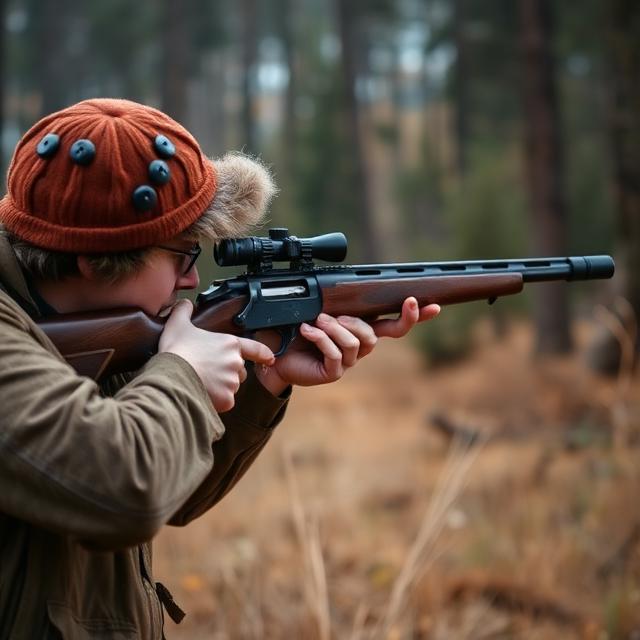
If you’ve ever wondered whether an air rifle can truly take down a deer, the short answer is yes, but only if you’re using the right rifle, the right caliber, and following the right laws. Air rifle deer hunting has moved from fringe curiosity to a legitimate option for hunters who value quiet shots, precision, and a new challenge.
The appeal is obvious. Imagine stalking through the woods with a rifle that doesn’t thunder like a traditional firearm. You line up your shot, squeeze the trigger, and the deer barely registers the sound before it’s too late. That’s the unique advantage of air rifles: stealth, accuracy, and a different kind of hunting experience.
But here’s the catch, not every air rifle is suitable for deer. You need serious power, proper shot placement, and a clear understanding of the regulations in your state. That’s what this guide is all about. By the time you finish reading, you’ll know which rifles are worth your money, what gear you’ll need, and how to hunt ethically and legally with an air rifle.
Is Air Rifle Deer Hunting Legal?
This is the first question every hunter should ask, because legality varies widely. Some states embrace air rifle hunting for big game, while others restrict it to small game only.
- State Regulations: In places like Texas and Arizona, air rifles above certain calibers are approved for deer hunting. Other states, such as New York, still limit air rifles to small game.
- Minimum Caliber and Power: Most states that allow air rifle deer hunting require at least a .30 caliber rifle capable of producing 200+ foot-pounds of energy at the muzzle.
- Ethical Considerations: Even if it’s legal, hunters must ensure their rifle delivers a humane kill. That means knowing your rifle’s effective range and respecting the limits of air power.
Quick Fact Sheet: Air Rifle Deer Hunting Legality
| Requirement | Typical Standard | Why It Matters |
|---|---|---|
| Minimum Caliber | .30 or larger | Ensures penetration and energy transfer |
| Minimum Energy | 200+ ft-lbs | Provides humane kill potential |
| Legal States | TX, AZ, FL, AR, others | Expanding acceptance of air rifles |
| Restricted States | NY, NJ, MA | Air rifles limited to small game |
This fact sheet is designed to be cited by other sites or referenced by hunters researching legality. It simplifies the complex patchwork of laws into clear, digestible points.
Choosing the Best Air Rifle for Deer Hunting
When it comes to deer hunting, not all air rifles are created equal. The truth is, most of the rifles you see at sporting goods stores are designed for small game like rabbits or squirrels. Deer require a whole different level of power and precision.
The first thing you want to look at is caliber. For deer, .30 caliber or larger is the standard. Anything smaller simply won’t deliver the energy needed for a humane kill. Alongside caliber, pay attention to muzzle energy. You’re aiming for at least 200 foot-pounds, though many serious hunters prefer rifles that push 300 or more.
Next comes accuracy and build quality. A rifle that groups tightly at 50 yards is essential. Deer hunting with air rifles is about knowing your limits, most ethical shots happen inside 75 yards. That means your rifle needs to be consistent within that range.
Recommended Air Rifle Models
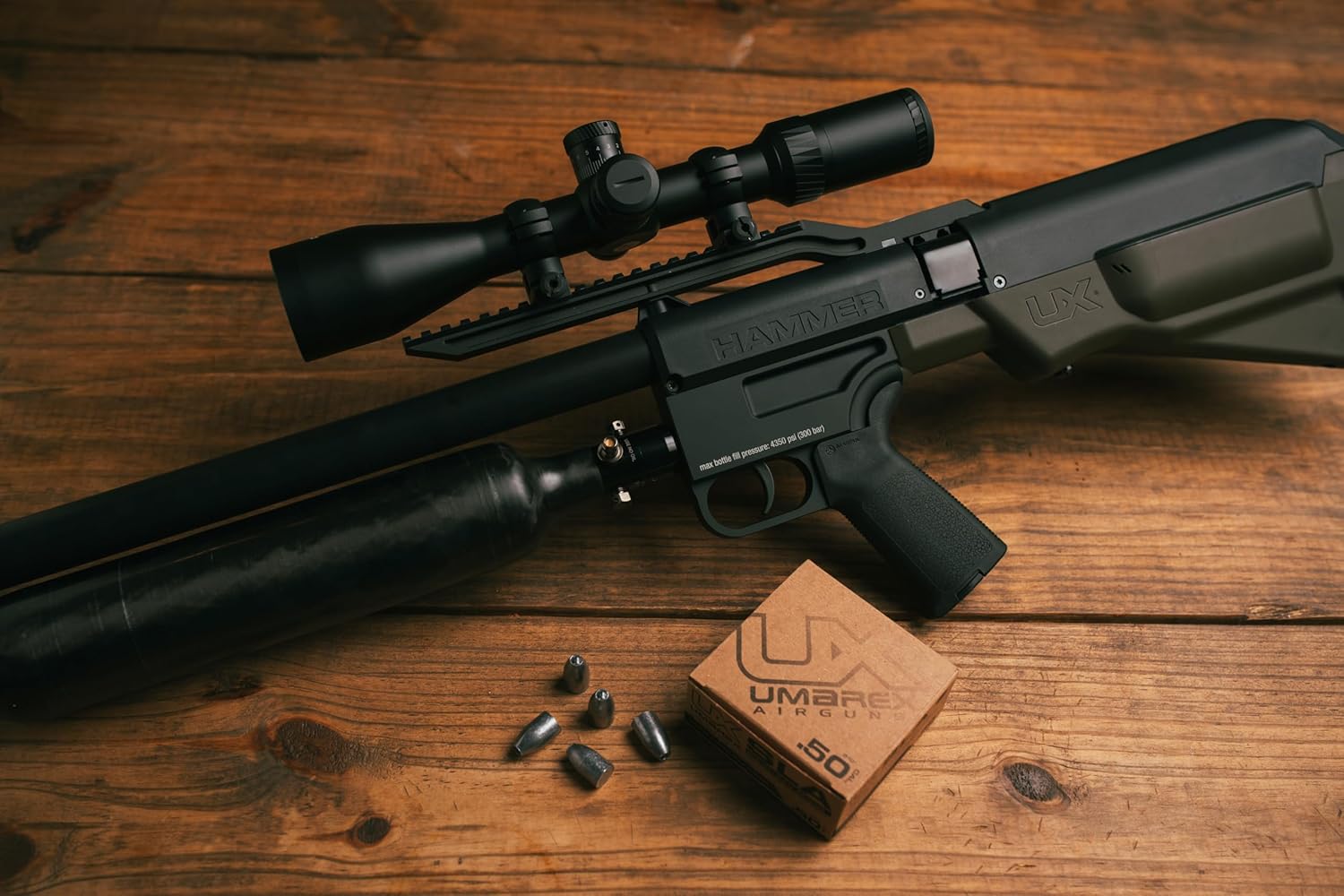
- Benjamin Bulldog .357 – A proven big-bore air rifle with excellent stopping power.
- AirForce Texan .45 – Known as one of the most powerful production air rifles, capable of clean deer kills.
- Umarex Hammer .50 – A beast of a rifle, delivering massive energy for hunters who want maximum assurance.
Budget vs. Premium Options
If you’re just getting started, the Benjamin Bulldog offers a balance of affordability and performance. For hunters who want the very best, the AirForce Texan and Umarex Hammer are premium choices that rival traditional firearms in energy output.
Essential Gear for Air Rifle Deer Hunting
Your rifle is only part of the equation. The gear you bring into the field can make or break your hunt.
Optics and Scopes
Air rifles demand precise shot placement, so a quality scope is non-negotiable. Look for optics with clear glass, reliable adjustments, and magnification suited for 50–100 yards. A 3-9x scope is often ideal.
Ammunition Types
Forget lightweight pellets, deer hunting requires heavy slugs. Choose solid lead or copper slugs designed for penetration. Brands like JSB and Nielsen Specialty Ammo produce reliable options for big-bore rifles.
Clothing and Camouflage
Deer have sharp eyes and even sharper noses. Invest in camouflage that matches your hunting environment and scent-control clothing to reduce detection. Waterproof boots are also a must for long treks.
Field Accessories
- Rangefinder: Helps you judge distance accurately, critical for air rifle hunting.
- Bipod or Shooting Sticks: Stabilizes your shot, especially when hunting from a blind.
- Hunting Pack: Carries essentials like water, snacks, and field dressing tools.
Techniques and Strategies for Success
Hunting deer with an air rifle is a different game than using a traditional firearm. You’re working with less raw power, which means every decision matters more. Success comes down to knowing your rifle’s limits and playing to its strengths.
Shot Placement with Air Rifles
With an air rifle, precision is everything. The vital zone on a deer, the heart and lungs, is your target. A well‑placed shot behind the shoulder is the most reliable way to ensure a quick, humane kill. Neck or head shots may sound tempting, but they’re risky and often discouraged because of the small margin for error.
Effective Range and Limitations
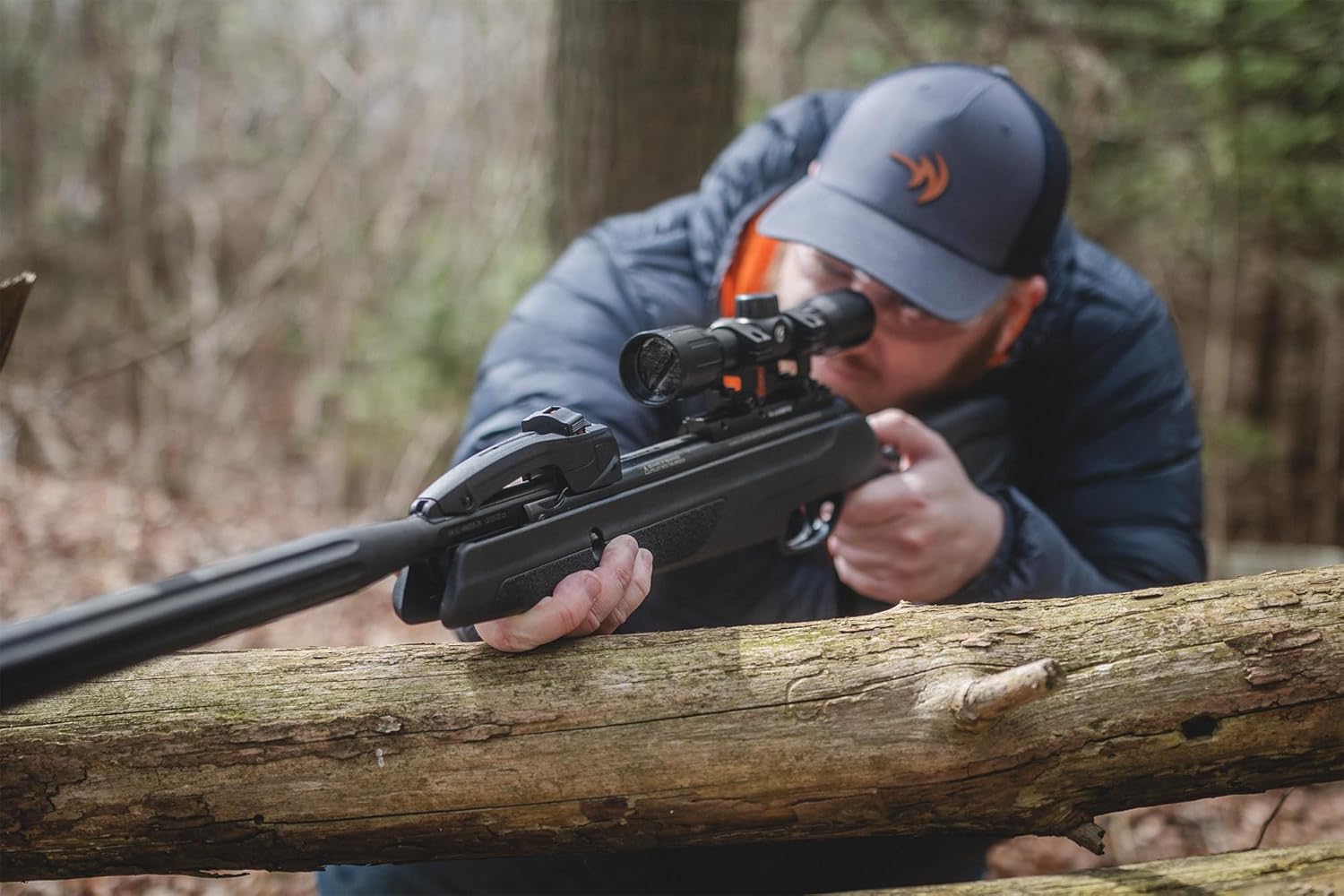
Most big‑bore air rifles are effective inside 75 yards. Beyond that, energy drops quickly, and accuracy can suffer. Think of it this way: if you wouldn’t bet your hunt on a shot at that distance, don’t take it. Staying within your rifle’s effective range is the difference between a clean harvest and a wounded animal.
Stalking, Ambush, and Stand Hunting
- Stalking: Move slowly, use cover, and keep the wind in your favor. Air rifles are quiet, which helps, but deer can still spot movement.
- Ambush: Setting up near feeding areas or trails works well. A ground blind or natural cover lets you wait for the perfect shot.
- Stand Hunting: Elevated stands give you a better angle and reduce scent detection. Just remember that air rifles require closer shots, so choose stand locations carefully.
Tracking and Recovering Deer
Even with perfect shot placement, deer may run a short distance before dropping. Learn to read sign, blood trails, tracks, and disturbed foliage. Patience is key. Give the deer time before you follow, and always be prepared with field dressing tools once you recover your harvest.
Safety and Ethical Hunting Practices
Air rifle hunting isn’t just about skill; it’s about responsibility. Hunters owe it to the animal, the land, and each other to hunt ethically and safely.
Ensuring Humane Kills
The golden rule is simple: never take a shot unless you’re confident it will drop the deer quickly. That means knowing your rifle, practicing regularly, and resisting the urge to stretch your range. Humane kills are the foundation of ethical hunting.
Hunter Safety Guidelines
Treat your air rifle with the same respect as a firearm. Always keep the muzzle pointed in a safe direction, know your target and what’s beyond it, and never shoot unless you’re certain of your shot. Air rifles may be quieter, but they’re still powerful weapons.
Respecting Wildlife and Conservation Principles
Deer hunting isn’t just about filling the freezer. It’s about participating in conservation. By following regulations, respecting bag limits, and harvesting responsibly, hunters help maintain healthy deer populations. Ethical hunting ensures that future generations can enjoy the same traditions.
Pros and Cons of Air Rifle Deer Hunting
Like any hunting method, air rifles come with strengths and weaknesses. Understanding both helps you decide if this path fits your style and goals.
Advantages
- Quiet Operation: Air rifles are far quieter than traditional firearms. This means less disturbance in the woods and a better chance of multiple opportunities in one hunt.
- Lightweight and Portable: Many big‑bore air rifles are easier to carry than heavy rifles, which makes long treks more comfortable.
- Affordable Ammunition: Slugs for air rifles often cost less than centerfire rounds, saving money over time.
- Unique Challenge: For hunters who already enjoy firearms, air rifles add a new layer of skill and satisfaction.
Limitations
- Range Restrictions: Most air rifles are effective only within 75 yards. That’s a fraction of what a centerfire rifle can do.
- Power Requirements: Not all air rifles are legal or ethical for deer. You need a big‑bore model with serious energy output.
- Legal Patchwork: Regulations vary widely. What’s allowed in Texas may be banned in New York.
- Learning Curve: Shot placement and patience are more critical than ever. Mistakes can lead to wounded animals.
Who Should Consider Air Rifle Hunting?
Air rifle deer hunting is ideal for hunters who value stealth, enjoy close‑range encounters, and want to expand their skills. If you’re looking for long‑range shots or simplicity, a traditional firearm may suit you better.
Frequently Asked Questions
Can You Legally Hunt Deer with an Air Rifle?
Yes, but it depends on your state. States like Texas, Arizona, and Florida allow it with big‑bore rifles, while others restrict air rifles to small game. Always check your local regulations before heading out.
What’s the Minimum Caliber for Deer Hunting?
Most states that permit air rifle deer hunting require at least a .30 caliber. Many hunters prefer .357, .45, or even .50 caliber rifles for added assurance.
Are Air Rifles Powerful Enough for Ethical Kills?
Absolutely, if you choose the right rifle. Models like the AirForce Texan or Umarex Hammer deliver more than enough energy for clean, humane kills within their effective range.
How Do Air Rifles Compare to Traditional Firearms?
Air rifles are quieter, lighter, and often cheaper to shoot. Firearms, however, offer longer range and more consistent stopping power. It’s not about better or worse, it’s about choosing the tool that fits your hunting style.
Buying Guide
By now you’ve seen that air rifle deer hunting isn’t just possible, it’s practical, rewarding, and increasingly popular. The key is choosing the right rifle, pairing it with the right gear, and respecting the limits of air power.
Best Air Rifles for Deer Hunting in 2025
- Benjamin Bulldog .357 – Affordable, reliable, and widely available. A great entry point for big‑bore hunting.
- AirForce Texan .45 – A powerhouse with proven performance. Perfect for hunters who want maximum assurance.
- Umarex Hammer .50 – Delivers massive energy, making it one of the most capable air rifles on the market.
Gear Checklist Before You Head Into the Field
Here’s a simple framework you can use to prepare for your hunt.
Air Rifle Deer Hunting Checklist
- Big‑bore air rifle (.30 caliber or larger, 200+ ft‑lbs energy)
- Heavy hunting slugs (solid lead or copper, designed for penetration)
- Quality scope (3‑9x magnification, clear glass)
- Rangefinder (for accurate distance judgment)
- Camouflage clothing and scent control gear
- Waterproof boots (comfortable for long treks)
- Bipod or shooting sticks (for stability)
- Field dressing kit (knives, gloves, game bags)
- Hunting license and regulation guide (specific to your state)
Where to Buy Reliable Air Rifles and Accessories
Most major outdoor retailers now carry big‑bore air rifles. Online stores like Pyramyd Air, Airgun Depot, and MidwayUSA are trusted sources for rifles, slugs, and accessories. Local gun shops may also stock popular models, but availability varies.
Conclusion
Air rifle deer hunting is more than a trend, it’s a modern evolution of the sport. With the right rifle, gear, and mindset, you can enjoy quiet, close‑range encounters that test your skills and deepen your connection to the hunt.
The most important takeaway is this: respect the limits of your equipment and the animal you’re pursuing. Stay within ethical ranges, choose rifles that deliver enough power, and always follow local regulations. Do that, and you’ll not only harvest deer successfully, you’ll do it in a way that honors the tradition of hunting.
If you’re curious about trying it, start small. Practice with your rifle, learn its quirks, and build confidence before heading into the field. Once you’re ready, you’ll find that air rifle deer hunting offers a unique blend of challenge and satisfaction, one that many hunters now consider their favorite way to chase whitetails.
