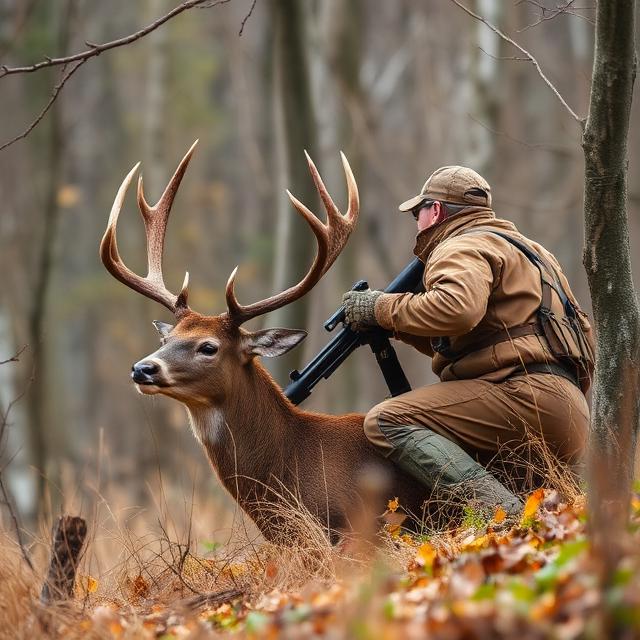
Axis deer hunting Texas represents one of the most accessible and rewarding exotic hunting experiences available in North America. Originally from India and Sri Lanka, axis deer found their ideal habitat in the Texas Hill Country, where they’ve thrived for decades. Today, Texas holds the largest free-ranging axis deer population outside of Asia, with over 60,000 animals spread across the state.
Unlike native whitetail deer, axis deer are classified as exotic game animals in Texas, which fundamentally changes the hunting experience. Year-round seasons on private land mean you’re not constrained by narrow hunting windows. Trophy bucks can be hunted in February, July, or December, whenever your schedule allows. This flexibility, combined with the species’ tendency to be active during daylight hours, makes axis deer hunting more accessible for hunters with limited time or those who prefer hunting in good light rather than the pre-dawn and post-dusk periods typical of whitetail hunting.
The meat quality sets axis deer apart from virtually all other wild game. Axis venison is mild, tender, and lacks the gamey flavor often associated with deer meat. Most hunters who try it rank axis venison as the best wild game they’ve eaten. The meat doesn’t require special marinades or preparation to mask strong flavors, simple seasoning and proper cooking produce exceptional results.
Biology and Behavior
Axis deer are medium-sized deer with mature bucks weighing 150 to 250 pounds. Their distinctive russet coat covered with white spots remains visible year-round, unlike whitetail fawns that lose their spots. The antlers are particularly striking, lyre-shaped with typically three points per side, featuring a forward-pointing brow tine, a main beam that curves back, and a shorter rear tine. Trophy bucks can achieve main beams of 35 to 40 inches or longer, with exceptional animals scoring over 100 inches using the Safari Club International measurement system.
The axis rut doesn’t follow a fixed calendar like whitetail deer. While there’s typically a peak rutting period from May through August in Texas, individual bucks can be in various stages throughout the year. This asynchronous breeding cycle means you might encounter hard-horned bucks ready for battle in January while other bucks are growing velvet antlers in March. During the rut, mature bucks become vocal, producing a distinctive bugling call that echoes across Texas hillsides, a sound that’s unforgettable once you’ve heard it.
Axis deer are highly social animals that form herds ranging from a few individuals to groups exceeding 100 animals. They prefer open grasslands and lightly wooded areas, feeding primarily in early morning and late afternoon. Unlike the secretive nature of mature whitetail bucks, axis deer often feed openly in daylight, making them more visible and accessible to hunters. Water sources are critical to their daily patterns, and they visit water regularly even during midday hours.
Regulations and Legal Framework
The regulatory situation for axis deer in Texas is straightforward and hunter-friendly. As exotic wildlife, axis deer on private property don’t require a hunting license, though many ranches and outfitters require one anyway for liability purposes. Non-residents enjoy the same privileges as Texas residents, no special permits, no waiting periods, just book your hunt and go.
There’s no closed season for axis deer on private land. Legal shooting hours typically run from 30 minutes before sunrise to 30 minutes after sunset, though some ranches allow night hunting with appropriate equipment. Bag limits are determined by the landowner and ranch management goals rather than state regulations. There are no mandatory harvest reporting requirements, giving ranches flexibility in their management practices.
If you plan to hunt native species during the same trip, whitetail, turkey, wild hogs, you’ll need the appropriate Texas hunting license and any required stamps. Always verify specific requirements with your outfitter before traveling.
Geographic Distribution and Best Hunting Regions
The Texas Hill Country, stretching from San Antonio north to Llano and west toward Junction, represents the epicenter of axis deer hunting in North America. Counties like Kerr, Gillespie, Kimble, Mason, and Llano hold dense populations and dozens of hunting operations. The terrain, rolling hills covered with oak, juniper, and native grasses, cut by spring-fed creeks and rivers, provides perfect habitat.
Towns like Kerrville, Bandera, Mountain Home, and Fredericksburg serve as hubs for axis deer hunting, with numerous ranches, outfitters, processors, and taxidermists supporting the industry. The infrastructure in this region makes planning and executing your hunt straightforward, with services and amenities readily available.
South Texas also holds axis deer populations, though less concentrated than the Hill Country. The habitat differs, more brush, flatter terrain, and hunting methods may lean more toward still-hunting through heavy cover. Some large South Texas ranches offer mixed exotic operations where axis deer can be hunted alongside blackbuck antelope, fallow deer, and other species.
Central Texas between Austin and Waco has seen growth in exotic game operations, offering convenient access for hunters from major metropolitan areas. While not as densely populated with axis deer as the Hill Country, quality ranches in this region provide good hunting opportunities.
Choosing the Right Ranch and Hunt Package
![Herd of deer in the field,
Axis Deer Hunting Texas: Your Resource for Ranches, Seasons & Trophy Hunts [2025]](https://deerhuntinglife.com/wp-content/uploads/2025/12/A-herd-of-deer.webp "A herd of deer")
Selecting the right ranch requires understanding the differences between free-range and high-fence operations. Free-range hunts offer truly wild experiences where animals move freely across large areas without confinement. Success rates are typically lower, 60 to 80 percent, but many hunters prefer the authentic nature of pursuing genuinely wild game.
High-fence operations enclose hunting areas with 8 to 10-foot fences that contain the game. Success rates typically exceed 90 percent, and ranches can more precisely manage trophy quality. Many high-fence ranches still cover thousands of acres, providing challenging, fair-chase hunting experiences. Neither approach is inherently superior, your choice depends on personal hunting philosophy and practical considerations like travel distance and time constraints.
Pricing for axis deer hunts varies dramatically. Budget day hunts start around $1,500 for basic accommodations and one buck. Mid-range packages, $2,500 to $4,000, typically include better lodging, meals, guide services, and opportunities at larger bucks. Premium hunts exceeding $4,000 provide luxury accommodations, gourmet meals, dedicated guides, and chances at exceptional trophy animals.
Many ranches use trophy fee structures where you pay a base hunt fee plus additional charges based on antler size. Understanding the complete pricing structure, what’s included, what costs extra, and what happens if you wound an animal, prevents surprises and disappointment.
Equipment and Preparation
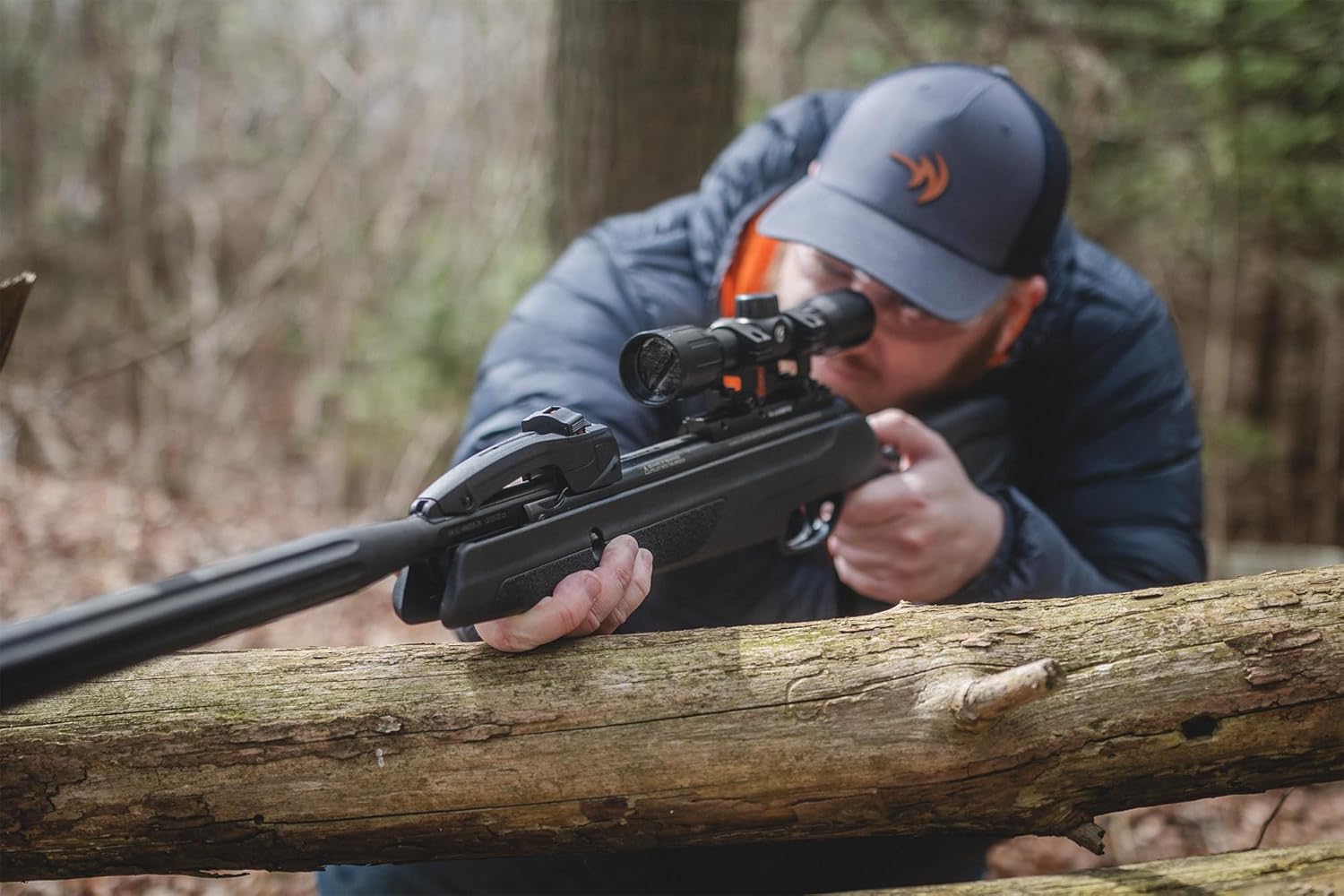
Axis deer don’t require specialized equipment, but the right gear enhances your experience. For firearms, anything from .243 Winchester to .30-06 Springfield works excellently. The .270 Winchester, .308 Winchester, 6.5 Creedmoor, and 7mm-08 Remington are all popular choices that provide adequate power with manageable recoil. Use quality controlled-expansion bullets designed for medium game.
Quality optics matter more for axis deer than for whitetail, especially on spot-and-stalk hunts. A good pair of 10×42 binoculars helps you glass hillsides, evaluate distant animals, and judge trophy quality. A rangefinder is essential, Texas ranches often present shots at 200 to 300 yards, and knowing the exact distance makes the difference between clean kills and wounded animals.
Your rifle scope should provide adequate magnification for the terrain you’re hunting. A 3-9×40 or 4-12×40 scope handles most situations. Shooting sticks or a bipod dramatically improve accuracy when shooting from field positions without convenient rests.
Clothing should prioritize comfort and function over elaborate camouflage. Earth-tone solid colors work fine. Focus on quiet fabrics, sun protection, and comfortable boots suitable for walking several miles over rocky, uneven terrain. Texas weather can swing dramatically even within a single day, so layering allows you to adjust to changing conditions.
Hunting Techniques and Strategies
Spot-and-stalk hunting represents the most exciting approach for axis deer in the Hill Country. Start from high vantage points at first light, glassing methodically for the distinctive spotted coats and elegant antlers. Once you locate a good buck, plan your approach considering wind direction and available cover. Move deliberately using terrain features to stay hidden, and get within comfortable shooting range before setting up.
Stand hunting near water sources produces consistent results. Axis deer visit water regularly throughout the day, even during midday in hot weather. Set up within shooting range of ponds, stock tanks, or creek crossings. Morning and evening remain prime times, but don’t discount midday opportunities.
Food plots attract axis deer effectively. Hunt the edges during feeding periods, using tree stands, elevated blinds, or well-brushed ground blinds. Calling during the rut can be incredibly effective. Mimic the bugling calls mature bucks make to attract does and challenge competitors. When a buck responds, he might come looking for the competition.
Shot Placement and Meat Care
Ethical hunting demands proper shot placement. The vital zone on an axis deer mirrors whitetail anatomy, heart and lungs sit in the chest cavity behind the shoulder. A broadside or quartering-away shot placed behind the shoulder and a third of the way up the body hits vitals reliably. Avoid quartering-to shots that require punching through heavy bone. Wait for better angles.
Texas heat requires immediate attention to meat care. Field dress quickly, prop the chest cavity open for air circulation, and cool the carcass as fast as possible. Get the animal to a cooler or processor immediately. The Hill Country has numerous experienced wild game processors who can handle all aspects from basic cuts to specialty products like summer sausage and jerky.
Axis venison deserves proper care. The meat quality is exceptional, and poor handling wastes one of the best aspects of the hunt. Keep meat clean, cool, and protected from flies and contamination.
Planning Your Hunt
Book early for the best selection of dates and ranches. Peak season during the rut (May through August) offers the most active hunting but commands premium prices. Off-peak periods provide excellent hunting at discounted rates, often 20 to 30 percent less than peak season.
Understand exactly what’s included in your hunt package. Most include lodging, some meals, guide services, and one animal, but specifics vary dramatically. Trophy fees, meat processing, taxidermy, gratuities, and transportation to the ranch are typically extra.
If you’re flying into Texas, Austin and San Antonio airports serve the Hill Country well. Rental cars provide easy access via major highways. Build buffer time into your trip, don’t schedule flights that depart the same day your hunt ends.
The Axis Deer Hunting Experience
Texas axis deer hunting delivers something special that’s hard to quantify in specifications and regulations. It’s watching the sun rise over Hill Country ridges while glassing for spotted coats. It’s hearing that distinctive bugle echo across a canyon. It’s the satisfaction of a successful stalk and a clean shot. It’s enjoying the best wild game meat you’ve ever tasted with family and friends back home.
The accessibility, year-round seasons, high success rates, relatively straightforward logistics, makes axis deer hunting achievable for hunters who might not be able to commit to traditional western hunts or international expeditions. The quality of the experience, from the stunning Hill Country landscape to the beauty of the animals themselves, rivals hunts costing multiples of what you’ll pay for axis deer.
Whether you’re an experienced hunter looking for something different or someone relatively new to hunting wanting an achievable exotic experience, Texas axis deer hunting delivers. Find a reputable ranch that matches your budget and hunting preferences, bring appropriate gear, practice shooting from field positions, and prepare for an experience that often turns into an annual tradition. The meat, the trophies, and the memories make axis deer hunting one of Texas’s best-kept secrets, though with word spreading, it won’t remain secret for long.
To learn more about Texas hunting read this post on Texas Mule Deer Hunts.
Frequently Asked Questions About Axis Deer Hunting in Texas
Can Non-Residents Hunt Axis Deer in Texas?
Absolutely. Non-residents have the same access to axis deer hunting on private land as Texas residents. You don’t need a special permit or license for axis deer specifically. This makes Texas incredibly accessible for hunters from other states.
Is Axis Deer Hunting Better Than Whitetail?
Different, not necessarily better. Axis deer offer advantages: year-round seasons, better meat, daytime activity, and vocal behavior during the rut. Whitetail offer their own appeal: native species, different hunting traditions, and the challenge many of us grew up with. Most hunters who try axis deer end up doing both.
What’s the Average Success Rate on Texas Axis Hunts?
Success rates on guided axis deer hunts in Texas typically run 80 to 95 percent. High-fence operations with good populations often approach 100 percent success. Free-range hunts have lower success rates, typically 60 to 80 percent, depending on conditions and property quality.
Are Axis Deer Considered Invasive Species?
Axis deer are non-native exotics, but the term “invasive” is debated. They’ve established free-ranging populations without displacing native wildlife in most areas. Texas Parks and Wildlife monitors exotic populations but doesn’t classify axis deer as invasive in the same way as feral hogs. From a hunting perspective, they provide recreational opportunities and excellent table fare without the negative impact of truly invasive species.
The Bottom Line
Texas axis deer hunting offers something special, beautiful country, stunning animals, excellent meat, and flexible seasons that work around your schedule. Whether you’re looking for your first exotic hunt or you’re a seasoned hunter wanting something different, axis deer deliver.
The Hill Country landscape, those spotted coats catching morning light, the sound of a rutting buck bugling across a canyon, it’s an experience that stays with you. Find a reputable ranch, bring appropriate gear, and take the shot when it presents itself. The meat alone makes the trip worthwhile, and if you connect with a good buck, you’ll have a unique trophy that tells a story.
Start researching ranches, compare options, and book your hunt. Texas axis deer are waiting, and there’s no better time than now to experience this incredible style of hunting.
