
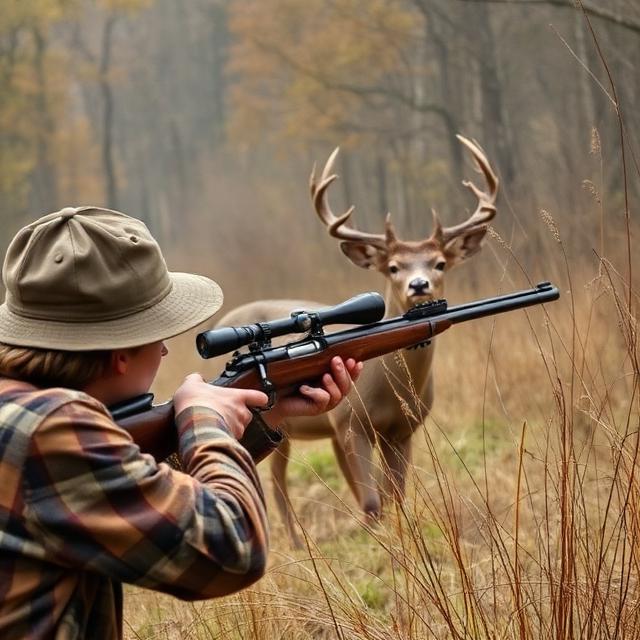
Let’s cut right to the chase: selecting the best deer hunting rifle is one of the most critical decisions you will make before opening day. I’ve spent decades hunting whitetail and mule deer across the country, and I’ve learned that the “perfect” rifle isn’t the most expensive or the flashiest, it’s the one that feels like an extension of your own arm when the pressure is on.
So, what is the best deer hunting rifle? While personal preference always plays a role, the consensus points to modern, lightweight bolt action rifles chambered in versatile calibers like the 6.5 Creedmoor or .308 Winchester, balancing low recoil with outstanding terminal performance. These new designs offer supreme accuracy right out of the box, often at very affordable prices.
The key to a successful, ethical hunt is confidence in your equipment. When you choose a rifle that fits you well and shoots accurately, you eliminate doubt. That confidence translates directly into a clean, decisive shot and a quick recovery. If your rifle is too heavy, kicks too hard, or just feels awkward, you’re creating unnecessary variables.
The 3 C’s of Deer Rifle Selection: Comfort, Cartridge, and Cost
When I guide friends through a new rifle purchase, we always focus on the “Three C’s”:
- Comfort: How well does the rifle fit your body? Can you quickly find the sight picture? A comfortable rifle is a rifle you shoot often and shoot accurately.
- Cartridge: The caliber must be appropriate for your target and your environment. Are you in thick woods needing a brush-busting, quick-handling round, or on an open prairie requiring long-range precision?
- Cost: A great rifle does not have to break the bank. We’re looking for the best performance-to-price ratio, the rifle that gives you 95% of the performance of a custom gun for 30% of the price.
This guide will walk you through these choices, leveraging my years of experience to help you find the absolute best fit. I have also curated the best rifle to hunt whitetail deer to have you make an informed decision.
Top Picks: The Best Deer Hunting Rifles Across Every Category
After testing dozens of rifles under real-world hunting conditions, from freezing snow to sweltering early seasons, I’ve narrowed the field to the absolute best performers. These rifles represent the current gold standard in reliability, accuracy, and value.
| Rifle Model | Action Type | Best For | Key Advantage | Typical Calibers |
| [Model Name 1] | Bolt-Action | Overall Workhorse | Guaranteed Sub-MOA Accuracy | .308 Win, 6.5 CM, .270 Win |
| [Model Name 2] | Bolt-Action | Budget/Beginner | Feature-Rich, Incredible Value | .30-06 Sprg, .350 Legend |
| [Model Name 3] | Bolt-Action | Long Range Precision | Adjustable Stock, Heavy Barrel | 6.5 PRC, 7mm Rem Mag |
| [Model Name 4] | Lever-Action | Thick Woods/Tracking | Fast Follow-up Shots, Compact | .30-30 Win, .45-70 Gov’t |
| [Model Name 5] | Bolt-Action | Mountain/Backcountry | Minimal Weight (Sub 6 lbs) | .308 Win, 6.5 CM |
Best Overall Bolt-Action Deer Hunting Rifle (The Workhorse)
Recommendation: [Model Name 1]
If I could only own one rifle to hunt deer anywhere in North America, it would be this one. The [Model Name 1] has become the benchmark for what a modern, mass-produced rifle can be. It consistently delivers accuracy that rivals custom guns costing three times as much.
Its secret is the superb manufacturing processes: the barrel is hammer forged for precision, and the rifle features a crisp, adjustable trigger right from the factory. Whether you’re a seasoned hunter or just starting, this rifle removes the guesswork. It is the definition of a dependable, high performing best deer hunting rifle.
Best Value/Budget Deer Hunting Rifle (Under $600)
Recommendation: [Model Name 2]
When you are starting out, or simply need a second rifle for adverse weather, the [Model Name 2] is unbeatable. Historically, budget rifles meant sacrificing accuracy, but this model changed the game. It uses a floating bolt head design and a smooth action that cycles cleanly every time.
It’s often sold as a package with a basic scope, which allows you to hit the field immediately. While you might upgrade the scope later, the rifle itself is an extremely solid platform. It proves you don’t need to spend a fortune to own a safe and highly effective hunting firearm.
Best Long-Range Deer Hunting Rifle (Precision & Caliber)
Recommendation: [Model Name 3]
For hunting massive tracts of open land, or if you simply demand the tightest groups possible, the [Model Name 3] is your ticket. It’s built on a stiffer chassis, often features a thicker, heavier barrel for sustained accuracy, and, crucially, has a highly adjustable stock.
Being able to perfectly tailor the length of pull and cheek weld to your shooting position is what makes the difference at 400 yards and beyond. Typically chambered in cartridges known for their ballistic efficiency, this rifle is designed for the serious precision hunter.
Best Lever-Action Rifle for Dense Woods & Tracking (Classic Performance)
Recommendation: [Model Name 4]
In the thickets of the Northeast or the Pacific Northwest, where shots are fast and close, a classic lever action truly shines. The [Model Name 4] is short, easy to carry, and lightning fast to cycle for a follow-up shot. There’s a beautiful, efficient simplicity to the design.
While it won’t win any long-range competitions, its compact size makes it perfect for maneuvering in a ground blind or quickly shouldering the rifle when a deer busts out of the brush ten feet away. This category reminds us that the best deer hunting rifles are often those best suited for the specific terrain.
Best Lightweight Deer Rifle for Mountain Hunting (Backcountry Choice)
Recommendation: [Model Name 5]
If your hunts involve carrying a pack for miles up steep ridges, every ounce counts. The [Model Name 5] uses advanced materials like carbon fiber stocks and fluted barrels to shave weight without sacrificing the critical point: accuracy.
Carrying a five-pound rifle instead of an eight-pound rifle over a week in the Rockies makes a huge difference in your energy levels and stability when you finally set up for a shot. This rifle embodies the perfect blend of modern materials engineering and field-ready performance.
The Core Decision: Choosing the Right Deer Hunting Caliber
Choosing the rifle is only half the battle; choosing the cartridge is the other. Your caliber dictates everything: recoil, effective range, bullet drop, and how the animal reacts to the impact. The goal is always a clean, humane harvest, and the right caliber is non-negotiable for ethical hunting.
Credibility Insight:
The widely accepted minimum requirement for ethical deer hunting is 1,000 foot pounds of energy (1,356 Joules) delivered at the point of impact. Any cartridge you choose should be able to sustain that energy out to your maximum expected shooting distance.
The Classic and Proven Deer Cartridges
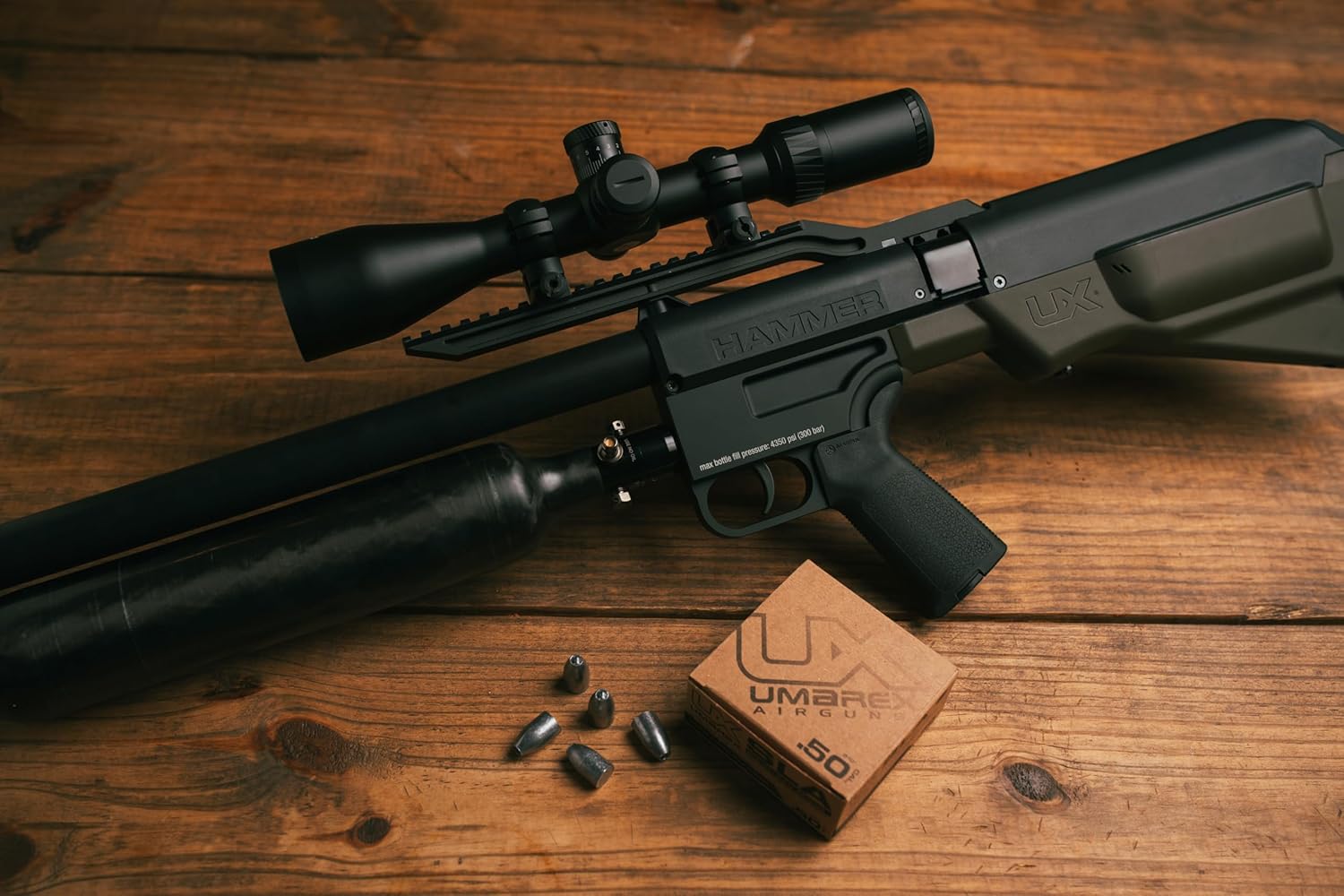
These calibers have been filling freezers for over a century for good reason, they work, they’re reliable, and ammo is available almost everywhere.
- .30-06 Springfield: The quintessential North American hunting cartridge. It’s powerful, versatile, and handles deer, elk, and moose with ease. It offers excellent bullet weight options, making it a true all-around choice. The drawback is slightly heavier recoil than modern options.
- .270 Winchester: Known for its flat trajectory, the .270 is a favorite among hunters who expect shots over wide open fields. It shoots flatter than the .30-06 and .308, making range estimation less critical at long distances. Recoil is moderate, and terminal performance on deer is superb.
- .308 Winchester: The darling of the modern short action rifle. The .308 is compact, efficient, and delivers excellent accuracy in a shorter, lighter rifle package. Its moderate recoil and exceptional barrel life make it an ideal choice for the hunter who spends a lot of time at the range practicing.
Modern, Low-Recoil, and High-Performance Calibers
These newer rounds leverage modern ballistic technology to deliver outstanding performance with less recoil.
- 6.5 Creedmoor: Why did it take the hunting world by storm? Simple: it offers superior long-range ballistics and extremely mild recoil. The high ballistic coefficient of the 6.5mm projectiles means they retain energy and resist wind drift far better than older rounds, making it an incredibly forgiving and effective deer hunting caliber.
- 7mm-08 Remington: A brilliant blend of the .308 case necked down to take a 7mm bullet. This gives you better ballistic performance and slightly less recoil than the .308. It’s often overlooked, but it is one of the most balanced and efficient deer rounds available, particularly for smaller-framed hunters or youth.
Straight-Wall Cartridges for Restricted States
Hunting regulations in states like Ohio, Michigan, and Indiana often mandate the use of straight-wall cartridges in specific zones.
- .350 Legend & .450 Bushmaster: These rounds were specifically designed to meet those regulations while still delivering enough punch for deer. The .350 Legend is the low-recoil option, feeling similar to a 5.56mm, but delivering ample kinetic energy. The .450 Bushmaster is a powerhouse, offering tremendous energy transfer with significant recoil. If you hunt in a restricted state, these are often the best (or only) available options for a modern sporting rifle.
Essential Rifle Features Explained: What to Look for Beyond the Brand
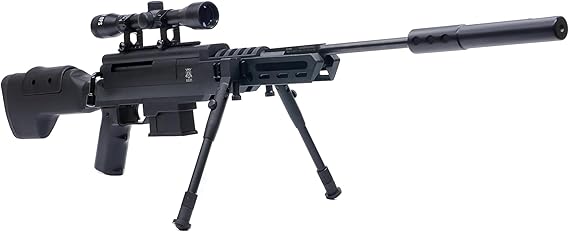
When you look beyond the brand name on the barrel, you find the engineering features that truly separate an adequate rifle from the best deer hunting rifle. Understanding these components will empower you to make an informed, long-term decision.
Action Type: Bolt-Action vs. Lever-Action vs. Semi-Auto
The action is the engine of the rifle, it’s how you load, fire, and eject the spent casing.
- Bolt-Action: This is the gold standard for accuracy. Because the bolt locks directly into the receiver, it creates an extremely rigid platform, which translates directly into tighter shot groups. It is slower to operate than others, but its inherent reliability and precision make it the top choice for nearly all hunting scenarios.
- Lever-Action: Simple, fast for follow-up shots, and short. Lever guns are fantastic for quick engagements in thick cover. Their downside is usually a slight reduction in maximum practical accuracy compared to a modern bolt gun.
- Semi-Auto: Less common in traditional deer hunting, but popular with platforms like the AR-10. They offer the fastest rate of fire, but they tend to be heavier and may lose a tiny edge in accuracy due to the moving parts required for the gas operation.
Barrel & Muzzle: Free-Floated, Fluting, and Threaded Muzzles
The barrel is where the magic happens; it guides the bullet to the target.
- Free-Floated Barrels: This is a must-have feature. A free-floated barrel only touches the stock at the receiver. This prevents any inconsistencies in pressure from the stock material (which can change with temperature or humidity) from influencing the barrel’s vibration, guaranteeing repeatable accuracy.
- Fluting: The deep grooves cut along the barrel surface. Fluting increases surface area, helping the barrel cool faster after repeated shots. Crucially, it also reduces the overall weight of the barrel without significantly compromising rigidity, a great feature for a packable hunting rifle.
- Threaded Muzzles: A threaded muzzle allows you to attach a muzzle brake (to reduce felt recoil) or, increasingly popular, a sound suppressor (silencer). Suppressors drastically reduce the noise signature, protecting your hearing and minimizing disturbance to other game.
Stock Materials: Wood vs. Synthetic vs. Carbon Fiber
The stock is your interface with the rifle, and the material matters for weight and performance.
- Synthetic (Polymer/Plastic): The most practical choice for most hunters. Synthetic stocks are impervious to weather, lightweight, and durable. They don’t warp with changes in humidity, meaning your zero stays consistent through wet, cold, or hot conditions.
- Wood: Beautiful and traditional, but heavier and prone to warping if not properly sealed and cared for. A classic walnut stock has a timeless feel, but requires more maintenance if you hunt in adverse weather.
- Carbon Fiber: The high-end option. Extremely lightweight and rigid, carbon fiber stocks are perfect for mountain or backcountry hunting where shaving every possible ounce is critical for energy conservation during long treks.
Triggers and Safeties: Adjustable Pull Weight and 3-Position Safety
A great trigger makes a huge difference in hitting what you aim at. A clean, crisp break prevents you from pulling the shot off target.
Look for rifles with user adjustable triggers, allowing you to safely set the pull weight to your preference. Most modern best deer hunting rifles come with excellent factory triggers that eliminate the sloppy, heavy pull weights of older guns.
A 3-position safety is highly preferred. It locks the trigger and allows the bolt to be opened for safe unloading while the safety is engaged, or it can completely lock the bolt and the trigger, offering maximum security while carrying the rifle in rough terrain.
Upgrading Your Deer Hunting Rifle System (Optics and Accessories)
A rifle is only as good as the sighting system sitting on top of it. Investing in quality optics is non-negotiable for maximizing the performance of your rifle.
The Critical Role of Hunting Scopes: Magnification and Objective Size
The most common mistake hunters make is buying a cheap scope for an expensive rifle. A poor scope will lose its zero, fog up, or offer poor light transmission when you need it most.
When choosing a scope for a deer rifle, you need to match the scope to the environment:
- Thick Woods (0-150 yards): A lower magnification range like 1-4x or 2-7x with a large field of view allows for fast target acquisition.
- General Purpose (0-300 yards): The classic 3-9x or 4-12x magnification is perfect. It offers enough zoom for clear mid-range shots and keeps the optic package light.
- Long Range/Open Country (300+ yards): 4-16x or even 5-20x offers the necessary detail, often paired with turrets for dialing in elevation corrections.
Always look for multi-coated lenses and excellent light transmission, that’s what determines if you can see clearly at the critical moments of dawn and dusk.
Must-Have Accessories for the Field
Once the rifle and scope are sorted, a few accessories complete the system.
- Rifle Slings: A padded, adjustable sling is crucial for comfortable carrying over long distances. It also provides an extra layer of stability if you use it to brace your shooting position.
- Bipods/Shooting Sticks: Unless you are always shooting from a perfect box blind, you need a stable rest. Bipods or collapsible shooting sticks allow you to take the steady, bench-like accuracy of your rifle and apply it in the field. They are essential for ethical long-range shots.
- Cleaning Kits: A rifle only remains reliable and accurate with proper maintenance. A basic field cleaning kit is non-negotiable to clear any debris and maintain the bore.
FAQ: Common Questions from New and Experienced Deer Hunters
What is a safe and ethical minimum caliber for whitetail deer?
Any caliber from the .243 Winchester up is generally considered acceptable, provided the bullet is placed correctly and is of the right construction (e.g., controlled expansion). The 6.5mm class and 7mm-08 are great starting points, as they offer low recoil and excellent penetration. Ultimately, shot placement is more important than sheer bullet size.
How much recoil should I expect from a typical deer rifle?
This depends entirely on the caliber, rifle weight, and any recoil reduction features. A 6.5 Creedmoor in a 7lb rifle is very mild, making it pleasant to shoot. A heavy-hitting .30-06 in a lightweight rifle will be stout. If recoil is a concern, choose a lighter-recoiling caliber and consider adding a muzzle brake. The less you fear the recoil, the better you will shoot.
Do I need a suppressor or a muzzle brake?
Neither is strictly needed, but both offer significant benefits. A muzzle brake dramatically reduces felt recoil and muzzle rise, allowing you to spot your impact. A suppressor (or silencer) is primarily a hearing protection device that reduces the sound to safe or tolerable levels. If your budget allows, a suppressor is the better investment for long-term hearing health.
When should I re-zero my rifle?
You should always check your zero before every hunting trip, and certainly after any significant change: flying, driving on rough roads, dropping the rifle, or changing ammunition brands or bullet weights. Even minor temperature swings can affect your point of impact, so firing two or three shots to confirm your zero is the best insurance policy you have.
Conclusion: Your Next Steps to the Perfect Season
Choosing one of the best deer hunting rifles is a truly personal journey, but it is one that should be guided by objective performance and ethical considerations. We’ve covered the top-tier workhorses, the essential calibers that bring meat home, and the critical features that guarantee accuracy.
The best advice I can offer you now is this: buy the best rifle you can comfortably shoot and afford, and then spend the rest of your budget on quality glass and practice ammunition.
Review the top picks in the table, consider the needs of your local hunting ground, and choose the cartridge that gives you the most confidence. Once you’ve made your choice, get to the range, put in the work, and the rifle will take care of the rest. Good luck this season, and shoot straight.
