
Most hunters spend weeks choosing a rifle or bow, hours comparing boots, and plenty of money on camouflage. Yet the hat often becomes an afterthought, grabbed last minute from a gear bin. That small decision can quietly affect your comfort, concealment, and even your shot opportunity.
If you are wondering whether deer hunting hats really make a difference, the short answer is yes. A good deer hunting hat helps regulate body heat, breaks up the human outline, controls sweat and glare, and keeps you focused during long hours in the field. A bad one does the opposite. It distracts you, makes noise, traps sweat, or leaves your head exposed when conditions turn rough.
I learned this the hard way years ago during a late season sit. The temperature dropped faster than expected, wind picked up, and my cheap cap did nothing to stop the cold. By mid afternoon, I was shivering and unfocused. A mature buck stepped out at last light, and instead of being calm and steady, I rushed the moment. That experience taught me something simple but important. Head comfort matters more than most hunters admit.
Deer also notice movement and contrast before they notice fine details. Your head moves more than almost any other part of your body when you are scanning, listening, or adjusting position. A well chosen deer hunting hat helps soften that movement and blend your outline into the surroundings.
So when hunters ask if a dedicated hunting hat is really necessary, I always say this. If you care about staying comfortable, staying hidden, and staying sharp from sunrise to sunset, then yes, it is absolutely worth choosing the right one.
What Makes a Good Deer Hunting Hat
Not all hunting hats are created equal. A good deer hunting hat is not about brand names or flashy patterns. It is about how well it performs when it matters most. Over the years, after testing everything from bargain bin caps to premium insulated models, a few core traits always separate the good from the forgettable.
Warmth Without Overheating
Your head plays a big role in regulating body temperature. Too cold and you lose focus. Too hot and sweat becomes a problem, especially during early season or long walks in.
Quality deer hunting hats balance insulation with breathability. Lightweight fleece or wool blends work well for cool conditions. For colder weather, insulated hats with breathable liners help trap heat without turning your head into a sauna. This balance is especially important for whitetail hunters who alternate between hiking and long stationary sits.
According to outdoor physiology research often cited by organizations like the National Outdoor Leadership School, managing heat loss through the head can significantly improve overall comfort and endurance in cold environments. That matters when you are trying to stay still for hours.
Concealment and Camouflage Effectiveness
A deer does not see the world the way we do. Their vision is tuned to detect motion and contrast. A bare or poorly camouflaged head can stand out, even if the rest of your gear blends in well.
Good deer hunting hats use patterns that break up the round shape of the head. Earth tones, bark like textures, and soft contrast patterns tend to work across a wide range of terrain. The goal is not to disappear completely but to avoid sharp outlines that catch attention.
In many cases, a simple solid color that matches your environment works just as well as complex camouflage. Browns, muted greens, and grays often outperform loud patterns, especially in shaded timber.
Comfort for Long Hours in the Stand or Blind
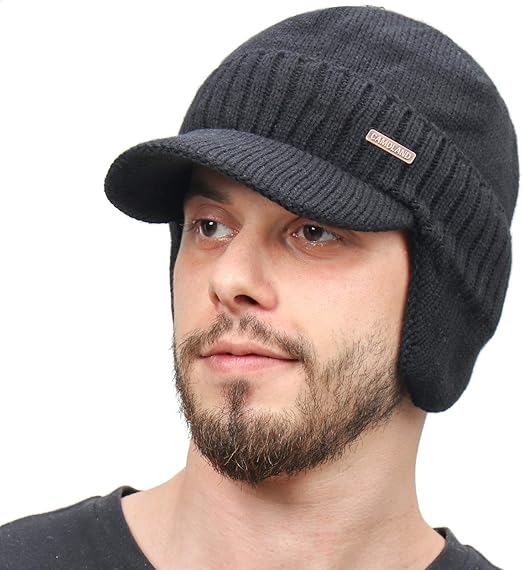
If a hat pinches, slides, or creates pressure points, you will notice it constantly. Comfort is not a luxury. It is part of staying focused.
Look for deer hunting hats with soft inner linings, flexible fits, and adjustable closures when possible. Beanies should stretch without feeling tight. Caps should sit low enough to block glare without pressing into your forehead.
Comfort also includes weight. Heavy hats may feel fine at first, but after several hours, they can cause fatigue. The best hats almost disappear once you put them on.
Quiet Materials That Do Not Give You Away
This is one detail many new hunters overlook. Some fabrics sound louder than you expect, especially in cold weather. Stiff materials can rustle when you turn your head or brush against a jacket collar.
Experienced hunters favor soft, quiet fabrics like fleece, wool, or brushed cotton. These materials stay quiet even when temperatures drop. When a deer is close, that silence matters.
In still conditions, sound travels farther than you think. A quiet deer hunting hat helps eliminate one more risk factor during critical moments.
Types of Deer Hunting Hats and When to Use Each
There is no single hat that works perfectly in every condition. Most serious hunters own a few different deer hunting hats and rotate them based on weather, terrain, and hunting style. Understanding the main types makes it easier to choose wisely.
Insulated Winter Deer Hunting Hats
When late season arrives and temperatures dip below freezing, insulation becomes the priority. Insulated deer hunting hats often include ear coverage, wind blocking layers, and thicker materials designed to trap heat.
These hats shine during long tree stand sits when movement is minimal and wind chill becomes a factor. Models with fold down ear flaps offer flexibility, letting you adjust coverage without removing the hat.
The key is fit. Insulated hats should feel snug but not tight. Too loose and heat escapes. Too tight and circulation suffers, which makes you feel colder.
Lightweight Early Season Deer Hunting Hats
Early season hunts bring a different challenge. Heat, sun exposure, and sweat management take center stage. Lightweight deer hunting hats focus on breathability, moisture control, and shade.
Mesh backed caps, thin brimmed hats, and lightweight beanies work well here. They keep sweat out of your eyes and reduce glare without trapping heat. Some also offer UV protection, which is helpful during all day sits in open terrain.
Sweat control is more important than many realize. Excess moisture can lead to scent issues and discomfort. Breathable hats help manage both.
Beanies vs Caps vs Brimmed Hunting Hats
Each style has its place, and personal preference plays a role.
Beanies offer simplicity and warmth. They are quiet, packable, and easy to layer under hoods. They work well in cool to cold weather but offer little sun protection.
Caps provide shade and help with visibility by reducing glare. They are popular with bow hunters who want a clear sight picture and minimal interference. Look for low profile designs that do not catch the wind.
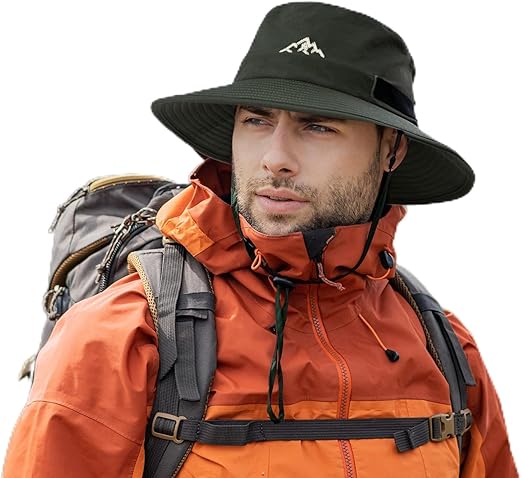
Brimmed hunting hats, including boonie style hats, offer excellent sun and rain protection. They are useful for ground hunting and spot and stalk situations, though they can feel bulky in tight tree stands.
Waterproof and Weather Resistant Hunting Hats
Rain and snow can ruin a hunt if your gear fails. Waterproof or weather resistant deer hunting hats keep moisture out while still allowing some airflow.
These hats are especially valuable during unpredictable weather or multi day hunts. Look for sealed seams and quiet outer materials. Waterproof does not have to mean noisy or stiff.
A good weather resistant hat helps you stay comfortable and focused when conditions change unexpectedly.
Choosing the Best Deer Hunting Hat for Your Hunting Style
One of the biggest mistakes hunters make is buying a hat based only on weather. Weather matters, but how you hunt matters just as much. A hat that feels perfect for one style can be annoying or even counterproductive for another.
I always tell people this. Match the hat to how you spend most of your time in the field, not just the temperature on the forecast.
Tree Stand Hunters
If you hunt from a tree stand, you are dealing with two main challenges. Wind and stillness.
Cold air hits harder when you are elevated, and even a light breeze can drain warmth fast. Deer hunting hats for tree stand hunters should focus on insulation and wind protection without being bulky.
Low profile insulated hats or fleece beanies work very well here. Ear coverage is a big plus, especially for late season sits. The hat should also sit comfortably under a safety harness strap or hood without bunching up.
Another thing to consider is upward visibility. Tree stand hunters often look down, but you still need good peripheral vision. Avoid overly stiff brims that block your sightlines or interfere when you raise your head slowly.
Ground and Spot and Stalk Hunters
Ground hunters and spot and stalk hunters move more, scan more, and deal with changing light throughout the day. For this style, visibility control and sun management become important.
A brimmed deer hunting hat or a low profile cap helps reduce glare and eye strain. This is especially useful in open woods, cutovers, or agricultural edges where sunlight shifts constantly.
Movement is also more frequent on the ground. Choose a hat that stays secure without constant adjustment. Slipping or bouncing hats create unnecessary motion, which deer pick up quickly.
Breathability matters more here too. If you are walking and glassing, you want a hat that releases heat and dries quickly.
Bow Hunters vs Rifle Hunters
Bow hunters tend to be more sensitive to fit and clearance. The hat should not interfere with your anchor point or string path. Bulky ear flaps or tall crowns can become an issue during the draw cycle.
Many bow hunters prefer fitted caps or thin beanies that stay out of the way. Quiet fabric is critical since bow shots often happen at close range.
Rifle hunters have a bit more flexibility but still need to consider recoil and cheek weld. A stiff or awkward brim can shift position when you shoulder the rifle. Look for hats that sit naturally and do not force you to adjust your head position.
In both cases, the best deer hunting hat is the one you forget you are wearing when the moment of truth arrives.
Seasonal Guide to Deer Hunting Hats
Deer season rarely stays consistent. Temperatures swing, weather changes, and what worked in October may feel miserable in December. Having a simple seasonal approach to deer hunting hats makes life easier.
Early Season Deer Hunting Hats
Early season is all about heat management. Warm days, long sits, and active movement mean sweat control is your top priority.
Lightweight caps with breathable panels work well here. Thin, moisture wicking beanies are another good option for hunters who want minimal bulk.
Look for hats that dry quickly and do not trap heat. Neutral camo or solid earth tones perform just fine in early season foliage.
Sun protection is often overlooked. A simple brim can reduce squinting and help you stay alert longer during all day hunts.
Mid Season Deer Hunting Hats
Mid season brings variability. Cool mornings, mild afternoons, and the occasional cold snap. This is where versatile deer hunting hats shine.
Medium weight fleece hats or lined caps offer a balance of warmth and breathability. These hats layer well with hoods or neck gaiters when needed and stand alone when temperatures rise.
Flexibility is the goal. You want a hat that works across a range of conditions without constant swapping.
This is also a good time to pay attention to wind resistance. A little extra protection can make a big difference during long sits.
Late Season and Extreme Cold Hats
Late season is when serious insulation matters. Cold temperatures, snow, and biting wind demand full coverage.
Insulated deer hunting hats with ear flaps or full coverage designs help conserve heat and maintain focus. Wind blocking layers become especially important when you are sitting still for hours.
At this stage of the season, comfort directly affects success. When you are warm, you move less. When you move less, deer stay calm.
Many experienced hunters keep one dedicated late season hat reserved for the coldest days. It is an investment that pays off every winter.
Key Features to Look for Before You Buy
Once you understand your hunting style and seasonal needs, it becomes easier to evaluate hats without getting overwhelmed. Instead of chasing brand names, focus on features that actually matter in the field.
Below is a simple framework I use when judging deer hunting hats. It helps cut through marketing and keeps the decision practical.
The Deer Hunting Hat Decision Checklist
| Feature | Why It Matters in the Field |
|---|---|
| Insulation level | Keeps your head warm without causing overheating |
| Breathability | Prevents sweat buildup during movement or warm sits |
| Quiet fabric | Reduces noise during head movement at close range |
| Fit and comfort | Allows all day wear without pressure or slipping |
| Camouflage or color | Breaks up head outline and reduces contrast |
| Weather resistance | Protects against wind, rain, and snow |
| Packability | Makes it easy to carry and layer as conditions change |
This checklist is simple on purpose. If a hat performs well across these points, it is likely a solid choice regardless of price or brand.
Pay special attention to fit. Even the best materials fail if the hat does not sit comfortably on your head. Try it on with other gear like hoods or neck gaiters if possible.
Durability also matters. A good deer hunting hat should last multiple seasons without losing shape or performance.
Common Questions Hunters Ask About Deer Hunting Hats
Over the years, a few questions come up again and again when hunters talk about hats. These are the kinds of things people wonder about quietly but rarely see explained clearly. Let’s clear them up.
Do Deer Notice Hats More Than Other Gear?
Deer do not recognize hats as hats, but they do notice contrast, movement, and unnatural shapes. The head is one of the most active parts of your body. Every time you scan the woods or adjust your posture, your head moves.
A well chosen deer hunting hat reduces the visibility of that movement by blending the outline into the background. Soft colors, muted patterns, and non reflective fabrics all help. Shiny logos or bright stitching can work against you, especially in low light.
Research on deer vision from wildlife biology programs at land grant universities often points out that whitetails see motion and contrast far better than fine detail. That is why breaking up the head shape matters more than using the most complex camouflage pattern.
Is Blaze Orange Required and Can It Still Be Effective?
In many states, blaze orange is required during firearm seasons for safety reasons. This includes hats in some regions. While it may feel counterproductive for concealment, it does not ruin your hunt.
Deer do not perceive blaze orange the way humans do. To them, it appears more like a muted grayish tone. Movement and silhouette still matter far more than color.
If you are required to wear blaze orange, choose a quiet, matte finish deer hunting hat without shine. Keep your movements slow and controlled, and you will not be at a disadvantage.
Always check your local hunting regulations before heading out. Safety and legality come first.
How Many Deer Hunting Hats Should a Hunter Own?
Most experienced hunters own at least three. One for early season, one versatile mid season option, and one dedicated cold weather hat.
This is not about collecting gear for the sake of it. It is about staying comfortable across changing conditions. Trying to force one hat to cover every situation often leads to compromises that hurt comfort and focus.
If you are just starting out, begin with a versatile mid weight option. You can always add more as your hunting style and seasons expand.
Can One Hat Work for Multiple Seasons?
Yes, to a point. A medium weight fleece or lined cap can handle a wide range of conditions when paired with hoods or neck gaiters.
However, extreme heat and extreme cold usually require specialized solutions. Expecting one hat to perform perfectly in October heat and December cold is unrealistic.
Think of hats as tools. The right tool for the job makes everything easier.
How to Care for and Maintain Your Deer Hunting Hats
A good deer hunting hat can last many seasons if you treat it right. Poor care, on the other hand, can ruin even the best materials quickly.
Washing Without Damaging Performance
Most hunting hats can be washed, but how you wash them matters. Always check the care label first.
Use mild, scent free detergent. Avoid fabric softeners, which can leave residues and affect breathability. Cold water and gentle cycles are safest for most materials.
Air drying is best. Heat from dryers can shrink fabrics, damage insulation, or stiffen quiet materials.
Managing Scent and Storage
Scent control starts with cleanliness. Washing removes sweat and oils that hold human scent. Once clean, store hats in a dry, breathable space.
Avoid sealing damp hats in plastic containers. Moisture leads to odors and material breakdown.
Some hunters store their deer hunting hats with natural cover scents or in the same container as other clean hunting gear. While opinions vary, keeping hats free from household odors is always a good practice.
Extending the Life of Your Gear
Rotate your hats when possible. Letting materials rest between hunts helps them dry fully and maintain shape.
Avoid crushing hats in packs when not necessary. Packable designs are fine, but structured caps benefit from proper storage.
With basic care, a quality deer hunting hat can easily last several seasons, making it one of the better value pieces of gear you own.
Final Thoughts Choosing a Deer Hunting Hat That Actually Improves Your Hunt
Choosing the right deer hunting hat is not about chasing trends or buying the most expensive option on the shelf. It is about understanding how you hunt, when you hunt, and what keeps you comfortable and focused in the field.
A good hat helps regulate temperature, reduces visible movement, blocks glare, and keeps your attention where it belongs. On the woods, watching and listening.
Start by matching the hat to your hunting style and season. Use the checklist to filter out options that do not meet your needs. Focus on fit, comfort, and quiet performance over flashy features.
If you are building your gear slowly, begin with one versatile option and add specialized hats as needed. Over time, you will develop a small rotation that covers every condition you face.
In the end, the best deer hunting hats are the ones you trust. The ones that disappear once you put them on and let you stay calm, still, and ready when that moment finally comes.
If you are standing in a store or scrolling through options online, use what you learned here as a guide. Make a thoughtful choice, and your future hunts will be more comfortable, more focused, and a whole lot more enjoyable.
