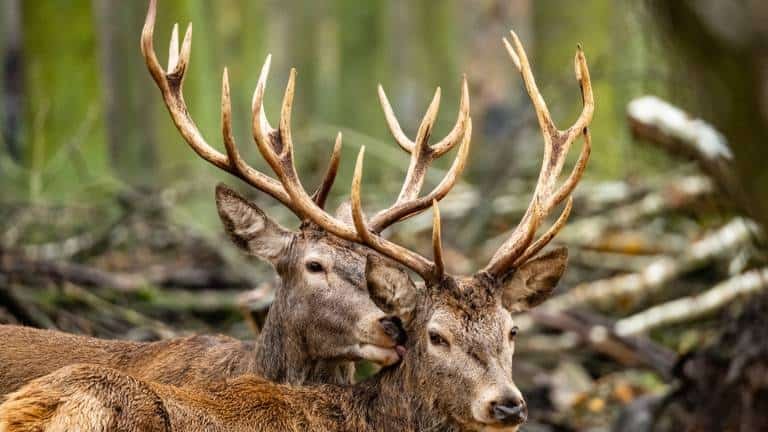
If you’ve ever felt that rush of anticipation when the mornings turn crisp and the woods start to come alive, you know exactly why Louisiana deer hunting season is such a big deal. Every year, hunters across the state mark their calendars, prep their gear, and scout their favorite spots. The question everyone asks first is simple: When does deer season start in Louisiana?
For 2025–2026, the Louisiana deer hunting season kicks off on September 20, 2025 in Deer Areas 3, 7, 8, and 10 with archery. Most other areas open October 1. That’s the headline answer, but the real story is much richer. Louisiana’s hunting calendar is carefully structured by zones, weapon types, and conservation goals. Understanding those details is what separates a casual hunter from someone who consistently finds success.
This guide is built to give you everything you need: dates, zones, regulations, strategies, and even a checklist you can use to prepare. Think of it as sitting down with a buddy who’s been through countless seasons, sharing the kind of insights you won’t find in a dry regulation pamphlet.
Louisiana Deer Hunting Season Dates & Zones
Louisiana doesn’t run on a single statewide calendar. Instead, the state is divided into Deer Areas (zones), each with its own schedule. That’s why hunters often say, “Know your zone before you plan your hunt.”
Here’s a clear breakdown of the 2025–2026 season dates by area and weapon type.
Louisiana Deer Hunting Season 2025–2026 (Data Table)
| Deer Area | Archery Season | Primitive Firearms | Firearms (Still-Hunt Only) | Firearms (With/Without Dogs) | Notes |
|---|---|---|---|---|---|
| Area 1 | Oct 1 – Jan 31 | Nov 8–14, Jan 19–31 | Nov 15–Dec 5, Jan 5–18 | Dec 6 – Jan 4 | Either-sex |
| Area 2 | Oct 1 – Jan 31 | Oct 18–24, Jan 12–18 | Oct 25–Dec 2 | Dec 3 – Jan 11 | Either-sex |
| Area 3 | Sept 20 – Jan 15 | Oct 11–17, Jan 5–11 | Oct 18 – Nov 30 | Dec 1 – Jan 4 | Early archery start |
| Area 4 | Oct 1 – Jan 31 | Nov 8–14, Jan 19–31 | Nov 15–Dec 5, Jan 5–18 | Dec 6 – Jan 4 | Either-sex |
| Area 5 | Oct 16 – Feb 15 (bucks only Oct 1–15) | Nov 8–14, Jan 19–31 | Nov 15–16, Nov 28–30 | Dec 1 – Jan 4 | Unique bucks-only rule |
Source: Louisiana Department of Wildlife and Fisheries
Key Takeaways for Hunters
- Early Start: Archery opens as early as September 20 in Area 3, giving bowhunters a head start.
- Extended Seasons: Area 5 runs until February 15, one of the longest in the state.
- Weapon-Specific Windows: Primitive firearms and modern rifles each have short, defined periods, so timing matters.
- Either-Sex vs. Bucks-Only: Pay attention to restrictions, some areas shift mid-season to bucks-only.
Why Zones Matter
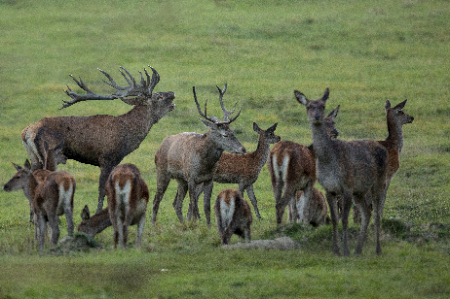
Louisiana’s deer areas aren’t arbitrary. They reflect differences in habitat, deer population density, and management goals. For example:
- Northern zones often open earlier for archery due to cooler weather and deer movement.
- Southern zones may extend later to balance herd health and hunter opportunity.
Knowing your zone means you’re not just legal, you’re strategic. A hunter who plans around these dates can maximize time in the woods and avoid wasted trips.
Louisiana Deer Hunting Regulations
When you step into the woods in Louisiana, you’re not just chasing deer, you’re stepping into a system designed to balance opportunity with conservation. The Louisiana Department of Wildlife and Fisheries (LDWF) updates regulations every year, and for 2025–2026, there are a few key points every hunter should know.
Licensing Requirements
- Resident Hunters: Need a basic hunting license plus a deer permit.
- Non-Residents: Must purchase a non-resident hunting license and deer permit. LDWF recently introduced new non-resident lifetime licenses, which are worth considering if you plan to hunt Louisiana regularly.
- Youth Hunts: Special licenses and reduced fees apply for hunters under 18.
Bag Limits and Antler Restrictions
- Bag Limit: Typically six deer per season, with no more than three antlered and no more than three antlerless.
- Antler Restrictions: In most areas, bucks must have at least one antler measuring three inches or more. Some zones enforce stricter rules, such as requiring a minimum of four points on one side.
Legal Weapons and Ammunition
- Archery: Compound bows, crossbows, and traditional bows are all legal.
- Primitive Firearms: Muzzleloaders and certain single-shot rifles qualify.
- Modern Firearms: Centerfire rifles, shotguns with slugs, and handguns are permitted during firearm season.
Hunter Safety and Orange Requirement
Hunters must wear hunter orange during firearm season, at least 400 square inches visible on the chest and back, plus a hat or cap. This isn’t just a rule; it’s a lifesaver in thick Louisiana woods.
Public vs. Private Land Hunting in Louisiana
Where you hunt shapes your entire experience. Louisiana offers a mix of public Wildlife Management Areas (WMAs) and private lands, each with its own set of rules.
Wildlife Management Areas (WMAs)
- Access: Requires a WMA permit in addition to your hunting license.
- Special Rules: WMAs often have shorter seasons, specific weapon restrictions, and mandatory check-in stations.
- Advantages: Affordable access to thousands of acres of prime habitat. Great for hunters without private land connections.
Private Land Hunting
- Permission Required: You must have landowner consent. Trespassing is heavily penalized.
- Flexibility: Private landowners can sometimes set additional rules, but state regulations still apply.
- Advantages: Less crowded, more control over habitat management, and often better chances at mature bucks.
Best Practices for Ethical Hunting
- Always confirm boundaries before entering land.
- Respect bag limits even if landowners suggest otherwise.
- Leave gates, fences, and property as you found them.
Key Takeaway
Louisiana deer hunting regulations are designed to protect the herd and keep hunters safe. Whether you’re on a WMA or private property, knowing the rules ahead of time ensures you spend more time hunting and less time worrying about fines or violations.
Preparing for Louisiana Deer Hunting Season
Getting ready for deer season in Louisiana isn’t just about marking dates on a calendar. Success in the woods comes down to preparation, scouting, gear, and safety. Think of this section as your preseason checklist, the kind of advice you’d get from a buddy who’s been through decades of hunts and knows what really matters.
Scouting Deer Habitats and Food Sources
Louisiana’s deer are creatures of habit, but those habits shift with the seasons. Before opening day, spend time walking the land you plan to hunt. Look for:
- Food Sources: Acorns, persimmons, and agricultural fields are prime feeding spots.
- Travel Corridors: Trails leading from bedding areas to food sources often show fresh tracks and droppings.
- Scrapes and Rubs: These signs tell you bucks are active and staking territory.
A good rule of thumb: if you find fresh sign near food and cover, you’ve found a spot worth sitting.
Essential Gear Checklist
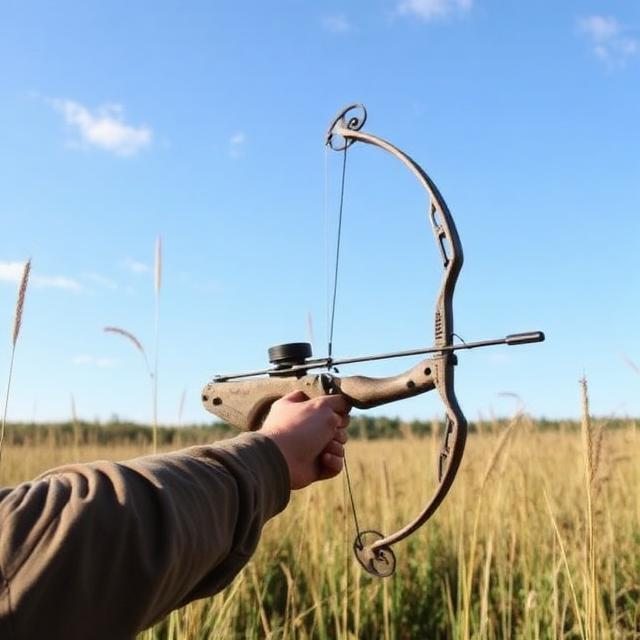
Here’s a practical framework you can use to make sure you’re not forgetting anything important.
Louisiana Deer Hunting Season Gear Checklist
| Category | Must-Have Items | Notes from Experience |
|---|---|---|
| Weapons | Bow, crossbow, muzzleloader, rifle | Match weapon to season dates |
| Optics | Binoculars, scope | Clear glass makes all the difference |
| Clothing | Camo layers, waterproof boots, hunter orange vest/hat | Louisiana weather can swing fast |
| Scent Control | Spray, scent-free detergent, storage bags | Deer noses are sharper than you think |
| Safety | Harness for tree stand, first aid kit | Never cut corners here |
| Miscellaneous | Rangefinder, flashlight, extra batteries | Small items that save big headaches |
Safety Guidelines Every Hunter Should Follow
Safety isn’t just about following the law, it’s about making sure you come home after every hunt. A few reminders:
- Hunter Orange: Always wear it during firearm season. It’s not optional.
- Tree Stand Safety: Use a harness every time. Falls are the number one hunting accident.
- Know Your Target: Identify deer fully before pulling the trigger. Never shoot at movement or sound.
- Communication: Let someone know where you’ll be and when you plan to return.
Preparing for Louisiana Deer Hunting Season
Getting ready for deer season in Louisiana isn’t just about marking dates on a calendar. Success in the woods comes down to preparation, scouting, gear, and safety. Think of this section as your preseason checklist, the kind of advice you’d get from a buddy who’s been through decades of hunts and knows what really matters.
Scouting Deer Habitats and Food Sources
Louisiana’s deer are creatures of habit, but those habits shift with the seasons. Before opening day, spend time walking the land you plan to hunt. Look for:
- Food Sources: Acorns, persimmons, and agricultural fields are prime feeding spots.
- Travel Corridors: Trails leading from bedding areas to food sources often show fresh tracks and droppings.
- Scrapes and Rubs: These signs tell you bucks are active and staking territory.
A good rule of thumb: if you find fresh sign near food and cover, you’ve found a spot worth sitting.
Essential Gear Checklist
Here’s a practical framework you can use to make sure you’re not forgetting anything important.
Louisiana Deer Hunting Season Gear Checklist
| Category | Must-Have Items | Notes from Experience |
|---|---|---|
| Weapons | Bow, crossbow, muzzleloader, rifle | Match weapon to season dates |
| Optics | Binoculars, scope | Clear glass makes all the difference |
| Clothing | Camo layers, waterproof boots, hunter orange vest/hat | Louisiana weather can swing fast |
| Scent Control | Spray, scent-free detergent, storage bags | Deer noses are sharper than you think |
| Safety | Harness for tree stand, first aid kit | Never cut corners here |
| Miscellaneous | Rangefinder, flashlight, extra batteries | Small items that save big headaches |
Safety Guidelines Every Hunter Should Follow
Safety isn’t just about following the law, it’s about making sure you come home after every hunt. A few reminders:
- Hunter Orange: Always wear it during firearm season. It’s not optional.
- Tree Stand Safety: Use a harness every time. Falls are the number one hunting accident.
- Know Your Target: Identify deer fully before pulling the trigger. Never shoot at movement or sound.
- Communication: Let someone know where you’ll be and when you plan to return.
Expert Strategies for Success
Preparation gets you into the woods, but strategy is what fills the freezer. Louisiana’s deer don’t behave the same way year-round, and understanding their patterns is the difference between sitting all day without a shot and tagging a buck before sunrise. Let’s break down the key strategies seasoned hunters rely on.
Understanding Louisiana Deer Behavior by Season
- Early Season (September–October): Deer are still on summer feeding patterns. They’ll hit food sources hard, soybean fields, acorns, persimmons. Bucks are less cautious, often moving in daylight. This is prime time for archery hunters.
- Pre-Rut (Late October–Early November): Bucks start cruising, checking scrapes, and expanding their range. They’re more visible but not reckless yet.
- Rut (Mid-November–December): The rut is the magic window. Bucks throw caution aside, chasing does at all hours. If you’re patient and in the right spot, this is when big deer make mistakes.
- Post-Rut (January): Deer settle back into feeding patterns. Bucks are worn down, focused on rebuilding energy. This is a great time to target mature deer near food sources.
Best Times of Day to Hunt in Different Zones
Louisiana’s terrain varies from pine forests to swamp bottoms, and deer movement shifts accordingly.
- Morning Hunts: In pine-heavy areas (Zones 1 and 2), deer often move early, heading from feeding areas back to bedding cover.
- Afternoon Hunts: In swampy regions (Zones 3 and 5), deer may move later in the day, especially near water edges.
- All-Day Sits: During the rut, forget the clock. Bucks can appear at noon just as easily as dawn.
Weather and Rut Influence on Deer Movement
- Cold Fronts: A sudden drop in temperature often sparks movement. Hunters say, “When the thermometer falls, deer stand tall.”
- Rain: Light rain can be productive, deer feel safer moving when sound and scent are muted. Heavy rain, though, usually keeps them bedded.
- Wind: Strong winds scatter deer. Moderate breezes, however, can work in your favor by carrying your scent away.
- Rut Timing: In Louisiana, peak rut usually hits mid-November. Plan vacation days around this window if you want the best odds at a mature buck.
Practical Strategy Tips
- Play the Wind: Always set up with the wind in your favor. Deer live by their noses.
- Use Trail Cameras Wisely: Place them near scrapes and food sources to track movement patterns.
- Stay Mobile: Don’t be afraid to move stands or blinds if sign changes. Deer shift habits quickly.
- Patience Wins: The biggest bucks often move just outside of “comfortable” shooting times. Staying longer than most hunters pays off.
Conservation and Responsible Hunting
One of the things I’ve always respected about Louisiana’s deer hunting culture is how deeply it’s tied to conservation. Hunters here don’t just take from the land, they give back by following rules that keep deer populations healthy for generations to come. If you’ve ever wondered why the state sets bag limits or antler restrictions, the answer is simple: it’s about balance.
Role of Hunters in Louisiana Wildlife Management
Hunters are more than participants; they’re partners in conservation. Every license and permit fee goes directly into funding habitat restoration, research, and enforcement. Without hunters, Louisiana wouldn’t have the resources to manage deer herds effectively.
- Population Control: Hunting helps prevent overpopulation, which can lead to disease and starvation.
- Funding Conservation: License sales support LDWF programs that protect wetlands, forests, and wildlife corridors.
- Data Collection: Mandatory check-ins and harvest reports give biologists the information they need to track herd health.
How Bag Limits Support Deer Population Health
Bag limits aren’t just numbers on paper. They’re carefully calculated to keep herds balanced.
- Antlered vs. Antlerless: Limiting the number of bucks taken ensures mature males remain in the population, while allowing antlerless harvests helps control overall numbers.
- Zone-Specific Rules: Different regions have different herd densities, so limits vary to match local conditions.
- Long-Term Impact: Following limits today means healthier, more sustainable hunting opportunities tomorrow.
Ethical Practices and Respect for the Outdoors
Responsible hunting goes beyond obeying laws. It’s about respect, for the animal, the land, and fellow hunters.
- Take Ethical Shots: Only shoot when you’re confident in a clean, humane kill.
- Leave No Trace: Pack out trash, respect property boundaries, and avoid damaging habitats.
- Share Knowledge: Pass on good habits to younger hunters. The future of Louisiana deer hunting depends on it.
Frequently Asked Questions About Louisiana Deer Hunting Season
Even seasoned hunters sometimes need quick answers. Here are the most common questions I hear every year, especially from folks planning their first Louisiana hunt.
When does deer season start in Louisiana?
The 2025–2026 Louisiana deer hunting season begins as early as September 20, 2025 in some zones for archery. Most areas open October 1. Exact dates depend on your zone and weapon type, so always check the LDWF schedule before heading out.
Do hunting dates vary by zone?
Yes. Louisiana is divided into Deer Areas (zones), each with its own calendar. For example, Area 3 opens earlier for archery, while Area 5 extends into February. Knowing your zone is critical for planning.
What are the penalties for violating hunting laws?
Penalties can include fines, loss of hunting privileges, and even confiscation of equipment. LDWF takes violations seriously because they directly impact herd health and hunter safety.
Can non-residents hunt deer in Louisiana?
Absolutely. Non-residents can purchase licenses and permits, though fees are higher than for residents. Louisiana also offers non-resident lifetime licenses for those who plan to hunt here regularly.
Are there special youth hunts?
Yes. Louisiana sets aside specific weekends for youth hunters, giving them a chance to learn in a less crowded environment. These hunts often allow broader harvest opportunities.
Do I need hunter orange during archery season?
No. Hunter orange is required during firearm seasons only. Still, many hunters wear some orange when moving to and from stands for safety.
Can I hunt on private land without a license?
No. Even on private property, you must have the proper license and permits. Landowner permission alone isn’t enough.
Conclusion
Louisiana deer hunting season isn’t just a set of dates on a calendar, it’s a tradition that blends skill, patience, and respect for the outdoors. By now, you’ve seen how the season is structured across zones, the regulations that keep herds healthy, the strategies that put you in the right place at the right time, and the conservation practices that ensure future generations can enjoy the same opportunities.
If you take one thing away, let it be this: success in Louisiana deer hunting comes from preparation and respect. Know your zone, follow the rules, scout smart, and hunt ethically. Do that, and you’ll not only increase your chances of tagging a deer, you’ll also be part of the bigger story of wildlife management in this state.
So as you pack your gear and mark your calendar for the 2025–2026 season, remember that every hunt is more than a chase. It’s a chance to connect with the land, test your skills, and carry forward a tradition that’s bigger than any single hunter.
I’d encourage you to check the Louisiana Department of Wildlife and Fisheries website before heading out, since they keep the most up-to-date information on dates, zones, and regulations. That way, you’ll walk into the woods confident, prepared, and ready for the season ahead.
Good luck this year, and may your time in the Louisiana woods be safe, rewarding, and full of stories worth telling around the fire.
