If you’ve been hunting whitetails in Pennsylvania for more than a season or two, you already know the rules aren’t set in stone. Every year, the Pennsylvania Game Commission reviews proposals that could reshape when you hunt, what you can harvest, and how you navigate the regulations that govern our deer seasons. Right now, several significant proposals are moving through the pipeline, and understanding them before they take effect could mean the difference between a successful season and a tag that stays in your pocket.
The current Pennsylvania deer hunting regulations proposals focus on antler restriction adjustments across multiple Wildlife Management Units, expanded Sunday hunting opportunities, revised doe tag allocations tied to Chronic Wasting Disease management, and modifications to crossbow regulations during archery season. These aren’t minor tweaks. They’re substantial changes that reflect shifting deer population dynamics, disease management priorities, and hunter participation trends across the Commonwealth.
Let me walk you through what’s actually on the table, what it means for your hunting plans, and how you can weigh in before these proposals become official regulations.
Introduction to Pennsylvania’s Deer Hunting Regulation Process
The Pennsylvania Game Commission doesn’t just wake up one morning and decide to change the rules. There’s a deliberate process behind every regulation that affects when, where, and how we hunt deer in this state.
How the Pennsylvania Game Commission Proposes and Implements Changes
Proposals typically originate from one of three places: internal wildlife biologists analyzing harvest data and population trends, public input from hunters and stakeholder groups, or legislative directives from Harrisburg. Once a proposal gains traction, it enters a formal review process that includes preliminary discussions at Bureau of Wildlife Management meetings, presentation to the full Board of Commissioners, and a mandatory public comment period.
The timeline matters here. Most deer hunting regulation changes get introduced in January, go through public comment in the spring, receive preliminary approval by summer, and get final approval in September. That means changes approved this fall will affect next season’s hunts. The Commission meets roughly every other month, and these meetings are open to the public. You can attend in person at their Harrisburg headquarters or watch the livestream.
Why Staying Informed About Regulatory Proposals Matters for Hunters
I’ve watched too many hunters show up to their favorite spots in November only to discover the rules changed and they’re now in violation. Maybe the antler restrictions shifted in their WMU. Maybe their Sunday hunting window expanded but they didn’t realize it. Maybe doe tags got reallocated and they applied to the wrong unit.
Staying ahead of regulatory proposals gives you three advantages. First, you can adjust your hunting strategy before the season opener. Second, you can participate in the comment process and actually influence the outcome. Third, you avoid violations that could cost you fines, your harvest, or even your license.
The Commission takes public comment seriously. I’ve seen proposals get modified or shelved entirely because hunters showed up and made compelling cases backed by field experience. Your voice actually counts in this process.
Current Pennsylvania Deer Hunting Regulations Proposals Under Review
Let’s get into the specific proposals that are generating the most discussion among Pennsylvania deer hunters right now.
Antler Restriction Modifications and Wildlife Management Unit Adjustments
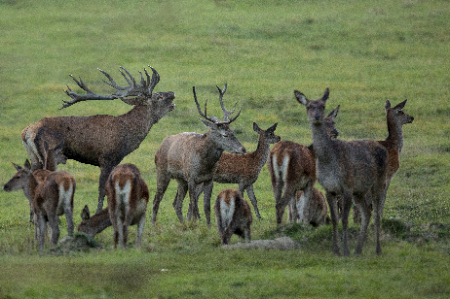
The big conversation centers on expanding or modifying the antler point restrictions that currently exist in most WMUs. Right now, most units require at least three points on one side for a legal buck, but proposals on the table would create more variation based on local deer population densities and age structure data.
WMU 2B, for example, is looking at a potential shift to four points on one side. The rationale comes from harvest data showing that the buck age structure has improved significantly since the original restrictions took effect, and wildlife managers believe the population can support a slightly more restrictive harvest strategy without reducing hunter opportunity.
Conversely, some southeastern units with lower hunter density but higher deer populations might see relaxed restrictions. WMU 5C has a proposal that would maintain the three-point rule but create a longer season window to increase doe harvest pressure, which indirectly affects how hunters approach buck hunting in that region.
Sunday Hunting Expansion Proposals
Sunday hunting has been one of the most contentious topics in Pennsylvania outdoor politics for decades. We’ve made progress, but the current proposals would expand Sunday hunting opportunities beyond the limited days we have now.
The active proposal would add three additional Sundays during archery season and two during the late firearms season. This isn’t a free-for-all, seven-day-a-week hunting scenario. It’s a measured expansion designed to give working hunters more flexibility without alienating the landowner and agricultural communities who have historically opposed Sunday hunting.
Here’s what matters practically: if this passes, you’d have roughly 15 total Sunday hunting days across all deer seasons instead of the current 10. That’s significant for anyone who works weekends or can only get out on Sundays due to family or job commitments.
Doe Tag Allocation and Harvest Management Changes
Doe tag allocation is where deer management gets real. The number of antlerless tags available in each WMU directly controls population growth, and the current proposals reflect an aggressive approach to herd reduction in specific areas.
Several south-central WMUs are looking at increased doe tag availability to combat localized overpopulation and reduce vehicle collisions. WMUs 4C and 4D could see allocation increases of 20 to 30 percent over last year’s numbers. Meanwhile, northern tier units where harsh winters impacted fawn recruitment are looking at modest decreases to stabilize populations.
The proposal also includes changes to how tags get distributed. Instead of the current lottery system for high-demand units, there’s a plan to implement a preference point system that rewards hunters who applied unsuccessfully in previous years. This would reduce the frustration of applying for doe tags in popular units and never drawing.
Crossbow Regulation Updates and Archery Season Modifications
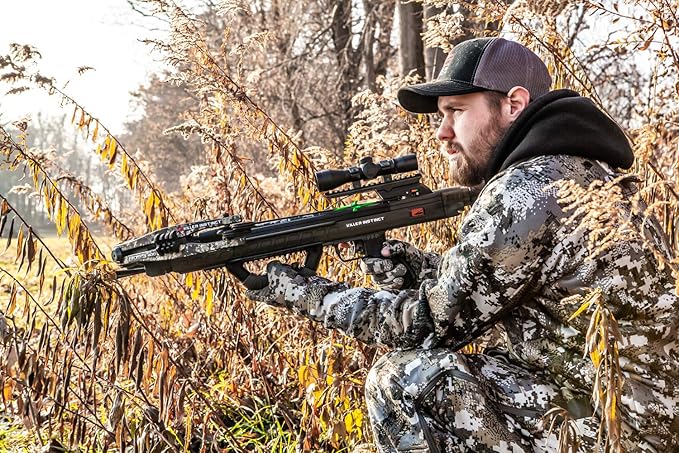
Crossbow regulations have evolved considerably in Pennsylvania over the past decade. The current proposal would allow crossbow use during the entire archery season for all hunters, not just those with disabilities or seniors.
This is controversial. Traditional bowhunters argue it gives crossbow users an unfair advantage and fundamentally changes the archery season’s character. Crossbow advocates point out that participation numbers have declined in archery seasons, and opening access could bring more people into the woods during October.
The data the Commission is reviewing shows that in states where full crossbow inclusion happened, archery harvest numbers increased modestly but didn’t create the dramatic harvest spikes that some feared. Pennsylvania wildlife managers seem convinced that crossbow inclusion won’t negatively impact deer populations if doe tag allocations are managed properly.
Season Structure and Date Proposals for the Upcoming Year
Season dates might seem like minor details, but they significantly affect hunting pressure, deer behavior, and harvest success.
Rifle Season Opening Day and Duration Changes
The traditional rifle opener the Monday after Thanksgiving is practically sacred in Pennsylvania, but there’s a proposal to shift the opening day to the Saturday after Thanksgiving in select WMUs. This would be a trial program limited to units where hunting participation has dropped significantly.
The logic is straightforward. Many hunters can’t take off work on Monday anymore. A Saturday opener would increase participation, especially among younger hunters and those with inflexible work schedules. The Commission wants to test this in three or four units before considering a statewide change.
Duration proposals are also in play. Some units might see rifle season extended by two days on the back end, particularly in areas where doe harvest needs to increase but current season length isn’t providing enough opportunity.
Archery and Muzzleloader Season Adjustments
Archery season could start one week earlier in northern units, giving bowhunters more time before the rut kicks in and deer patterns change. This comes from harvest data showing that early October provides high-quality hunting opportunity with minimal pressure.
Muzzleloader season might shift later into December in some units, creating better separation from rifle season and giving muzzleloader hunters a more distinct experience. Right now, muzzleloader season often feels like an extension of rifle season with different equipment. Pushing it later would change deer behavior patterns and potentially increase success rates.
Special Regulation Area Updates
Special Regulation Areas, those state game lands and forests with unique rules, are seeing their own set of proposals. SGL 176 in Centre County has a proposal for youth-only hunting days during the first weekend of rifle season. SGL 33 in Lancaster County might implement a no-rifle zone expansion to reduce hunter density conflicts.
These changes might seem hyper-local, but if you hunt public land regularly, staying on top of SRA updates prevents you from violating regulations you didn’t know existed.
Bag Limit and Antler Point Restriction Proposals
Understanding bag limits and point restrictions feels like reading tax code sometimes, but these rules directly determine what you can legally harvest.
Proposed Changes to Antler Point Requirements by WMU
The Commission is proposing a tiered system that more accurately reflects local deer populations. Instead of the relatively uniform three-point rule we have now, the proposal would create three categories: restrictive (four points on one side), moderate (three points), and liberal (two points).
Northern units with lower deer densities would generally fall into the liberal category, allowing younger bucks to be harvested to increase hunter success rates and maintain participation. Central units with balanced populations would stay moderate. Southeastern units with high densities and solid age structures would move to restrictive.
This makes sense biologically. A one-size-fits-all approach doesn’t work when deer populations vary dramatically from the Poconos to Chester County.
Antlerless Deer Allocation Strategy Updates
The proposed antlerless allocation strategy ties directly to Chronic Wasting Disease management zones. Units inside or adjacent to DMA boundaries would see increased doe tag availability to reduce deer density and slow disease transmission.
Units far from CWD concerns would see allocations based purely on population modeling and recreational opportunity. The Commission is trying to balance disease management with hunter satisfaction, which isn’t easy when some hunters want more doe tags and others want fewer.
The strategy also proposes eliminating doe tags entirely in a handful of low-density northern units that struggled with harsh winter conditions over the past three years. This would give those populations time to recover before resuming antlerless harvest.
How Proposed Limits Affect Deer Population Management Goals
Every bag limit decision comes down to one question: what do we want the deer population to look like in five years? The Commission’s stated goal is maintaining a stable, sustainable herd that provides quality hunting opportunity without causing excessive agricultural damage or vehicle collisions.
The proposed limits reflect regional differences in those priorities. Agricultural counties need aggressive doe harvest to keep populations in check. Forested northern counties need conservative limits to prevent overharvest. The proposals attempt to thread that needle with more granular, data-driven allocation strategies.
Hunter Safety and Licensing Regulation Proposals
Safety regulations might not be as exciting as season dates, but they affect who can hunt and under what conditions.
Mentored Youth Hunting Program Modifications
The mentored youth program, which allows kids to hunt before completing hunter safety courses if accompanied by a licensed adult, is seeing proposed age limit changes. Currently capped at age 12, the proposal would extend eligibility to age 14 to give families more flexibility.
The program has been successful in maintaining youth participation. Data shows that kids who start hunting through the mentored program are more likely to complete hunter safety courses and continue hunting into adulthood. Extending the age window acknowledges that not every family can get their kid through hunter safety by age 12.
License Fee Adjustments and New Permit Categories
Nobody likes talking about fee increases, but the Commission operates on license revenue and federal excise taxes. The current proposal includes modest increases across most license categories, with resident adult licenses going up $5 and doe tags increasing by $2.
There’s also a proposed lifetime license option for Pennsylvania residents, similar to what neighboring states offer. The upfront cost would be significant, around $800 for adults, but it would eliminate annual license purchases and provide long-term financial planning for serious hunters.
A new “Deer Management Assistance Permit” is also proposed, which would allow landowners dealing with agricultural damage to authorize additional hunters outside normal season structures. This permit would be free but tightly regulated to prevent abuse.
Hunter Orange and Safety Equipment Requirement Updates
The hunter orange requirements aren’t changing substantially, but there’s a proposal to clarify what counts as legal blaze orange. Too many hunters show up wearing orange that doesn’t meet the square-inch requirements or isn’t true blaze orange.
The proposal would define acceptable orange shades using specific color codes and maintain the 250 square inches of exterior orange requirement during rifle and muzzleloader seasons. Archery season would remain exempt except on WMAs where concurrent small game seasons create overlap.
Chronic Wasting Disease Management Proposals
CWD is the long-term threat that keeps wildlife managers up at night. Every proposal related to disease management deserves your attention.
Testing Requirements and Carcass Transportation Rules
The current proposal would expand mandatory CWD testing zones to include two additional WMUs adjacent to known positive areas. If you harvest a deer in these zones, you’d be required to submit samples at designated check stations before transporting the carcass home.
Carcass transportation rules would tighten as well. The proposal would prohibit transporting whole carcasses out of Disease Management Areas entirely. You could transport meat, deboned portions, cleaned skulls, and finished taxidermy mounts, but not spines, heads with tissue attached, or other high-risk parts.
I know these rules feel restrictive, especially if you’re used to taking your deer home whole for processing. But CWD spreads through prion-contaminated tissue, and carcass movement is one of the primary vectors. Slowing that spread protects our deer herd long-term.
Disease Management Area Boundary Changes
DMA boundaries shift as the disease spreads or as surveillance reveals new information. The current proposal would expand the existing DMA in south-central Pennsylvania to include portions of three additional counties where surveillance detected positive samples.
If you hunt near current DMA boundaries, check the updated maps carefully. What was outside the zone last year might be inside it this season, which changes your testing and transportation obligations.
Enhanced Surveillance Program Updates
The Commission is proposing an expanded voluntary testing program that would offer free CWD testing to any hunter who harvests a deer anywhere in Pennsylvania, not just inside DMAs. The goal is collecting more data from areas where CWD hasn’t been detected yet.
Testing is quick. You drop off a sample at a collection site, usually a check station or participating taxidermist, and get results within a few weeks. If you process your own deer, you can still eat the meat before results come back, though the Commission recommends waiting if you’re in a high-risk area.
How Hunters Can Participate in the Regulatory Process
This is where you stop being a passive observer and start influencing the regulations that affect your hunting.
Public Comment Periods and Commission Meeting Schedules
The Commission announces public comment periods through their website, email lists, and social media. These typically run for 30 days after a proposal is formally introduced. You can submit written comments through their online portal or attend Commission meetings to provide verbal testimony.
Meetings happen in Harrisburg on a roughly bimonthly schedule. The Commission publishes the agenda several weeks in advance, so you know which proposals are up for discussion. If you want to speak, you typically need to register in advance, though some meetings allow same-day sign-ups.
How to Submit Feedback on Proposed Regulations
Effective feedback is specific, data-driven, and constructive. Don’t just say “I hate this proposal.” Explain why, using your field experience and observations. If you hunt WMU 4A and you’ve noticed declining buck sightings, that’s valuable information. If you hunt public land and you’ve seen conflicts from overcrowding, describe what you’ve witnessed.
The Commission reads every comment. Staff members compile them into summary documents that Commissioners review before voting. Your input genuinely matters, especially when multiple hunters report similar observations from the same geographic areas.
Understanding the Timeline from Proposal to Implementation
Most proposals move through a predictable timeline. Introduction in January or February, public comment through March, preliminary vote in April or May, final vote in September, implementation for the following license year. Some proposals move faster if they’re addressing urgent issues, while others sit in committee for months undergoing additional analysis.
If a proposal you care about doesn’t pass immediately, don’t assume it’s dead. Many regulatory changes get refined over multiple cycles before final approval. Staying engaged long-term gives you more influence than showing up once and disappearing.
Regional Variations: Wildlife Management Unit-Specific Proposals
Pennsylvania’s 23 WMUs aren’t just arbitrary boundaries. They reflect real ecological differences that demand tailored management approaches.
Southeastern Pennsylvania Proposed Changes
WMUs 5A through 5D, covering the suburban and agricultural southeast, face unique challenges. High deer densities create agricultural conflicts and vehicle collision concerns, but these areas also have lower hunter participation and limited public land access.
Proposals for these units focus on expanding doe harvest opportunities through extended seasons and liberal tag allocations. There’s also discussion of allowing organized deer management hunts on agricultural lands outside traditional seasons to address localized damage issues.
Northern Tier and Allegheny Region Updates
Northern units like 1A, 1B, and 2A have dealt with harsh winters and lower deer densities. Proposals here are conservative, focused on protecting the herd while maintaining some level of hunter opportunity.
Antler restrictions might relax slightly in these areas, and doe tag allocations would decrease compared to southeastern units. The Commission is also considering habitat improvement initiatives on state game lands to improve winter survival rates.
Southwestern and South-Central Pennsylvania Modifications
The CWD-affected south-central region faces the most complex regulatory proposals. WMUs in this area need aggressive doe harvest to slow disease transmission, but hunters understandably don’t want to shoot every doe they see.
Proposals include bonus doe tags for hunters willing to help with disease management, extended late seasons specifically for antlerless harvest, and potentially even incentive programs for hunters who submit CWD samples.
Impact Analysis: What These Proposals Mean for Pennsylvania Hunters
Let’s talk about real-world impacts on how you’ll hunt next season.
Effects on Deer Population and Herd Health
If these proposals pass as written, expect deer populations to stabilize or slightly decline in southeastern counties, remain stable in central regions, and potentially increase modestly in northern areas. That’s the goal anyway.
Herd health should improve across the board. Better age structure among bucks means more mature animals in the woods. Aggressive CWD management might slow disease spread in affected areas. Doe harvest aligned with carrying capacity reduces winter starvation and improves fawn recruitment.
Hunter Opportunity and Access Changes
More Sunday hunting days means better access for working hunters. Modified season structures in specific units could spread hunting pressure more evenly across the season. Crossbow inclusion during archery season would expand opportunities for hunters who can’t or don’t want to use traditional bows.
On the flip side, tighter antler restrictions in some units might reduce buck harvest opportunities for hunters focused solely on filling tags rather than trophy hunting. That’s a trade-off the Commission believes improves long-term hunting quality.
Long-Term Wildlife Management Implications
These proposals reflect a shift toward more adaptive, data-driven management. Instead of statewide rules that don’t account for regional differences, we’re moving toward granular strategies tailored to specific landscapes and deer populations.
Long-term, this should create more sustainable hunting opportunities. Short-term, it means more complexity. You’ll need to pay closer attention to unit-specific regulations instead of assuming rules are uniform across Pennsylvania.
Comparing Proposed Regulations to Neighboring States
Pennsylvania doesn’t operate in a vacuum. Our deer management approaches both influence and get influenced by what’s happening in Ohio, New York, West Virginia, and Maryland.
How Pennsylvania’s Proposals Stack Up Against Ohio and New York
Ohio has been more aggressive with crossbow inclusion, allowing them during archery season for nearly a decade. Their harvest data shows modest increases without the negative impacts some feared, which likely influenced Pennsylvania’s current proposal.
New York takes a more liberal approach to antler restrictions in many units, particularly in the Adirondacks where deer densities are lower. Pennsylvania’s tiered approach to point restrictions borrows from New York’s model while adapting it to our specific population dynamics.
Regional Trends in Whitetail Deer Management
Across the Northeast and Midwest, states are trending toward increased hunter flexibility through expanded crossbow access and additional hunting days, combined with more aggressive doe harvest strategies in high-density areas. CWD management is driving regulatory changes everywhere the disease appears.
Pennsylvania fits squarely within these regional trends. We’re not leading the pack on innovations, but we’re not dragging our feet either. The Commission tends to watch other states test ideas before implementing them here, which sometimes frustrates hunters who want faster change but generally results in better-informed decisions.
Implementation Timeline and What to Expect Next
Understanding when changes actually take effect prevents confusion when you’re buying licenses or planning hunts.
When Proposed Regulations Take Effect
Regulations approved in September take effect the following July when the new license year begins. That means proposals approved this September would affect the 2025-26 hunting seasons.
Some emergency regulations can be fast-tracked if there’s an urgent wildlife management need, but that’s rare for deer hunting regulations. The Commission prefers giving hunters a full year’s notice before major changes take effect.
Key Dates for the 2025-2026 Hunting Season
Assuming current proposals pass, here’s what to watch for: archery season starting potentially one week earlier in September, additional Sunday hunting opportunities scattered across October through December, rifle season opening possibly on Saturday after Thanksgiving in select units, and expanded CWD testing requirements in newly designated management areas.
License sales begin in June. Doe tag applications open in July. Final regulations get published in August. Plan accordingly.
How to Stay Updated on Final Regulation Decisions
The Game Commission website maintains a dedicated regulations page that gets updated as decisions are finalized. Sign up for their email list to get notifications when new proposals are announced or when votes happen. Following their social media accounts provides real-time updates during Commission meetings.
Local sportsmen’s clubs often discuss proposals at meetings, which is another good way to stay informed while connecting with other hunters in your area. Some regional newspapers cover Commission meetings, though that coverage has declined in recent years.
Frequently Asked Questions About Pennsylvania Deer Hunting Regulation Proposals
Where can I find the official Pennsylvania Game Commission proposals?
Visit the Game Commission website and navigate to the “Inside the PGC” section, then click on “Commissioners Meetings.” Meeting agendas and supporting documents are posted there several weeks before each meeting. Proposals under active consideration appear in these materials with detailed explanations and supporting data.
How often do deer hunting regulations change in Pennsylvania?
Major changes happen every few years, while minor adjustments occur almost annually. Antler restrictions, for example, get reviewed regularly but don’t change often once established. Doe tag allocations change annually based on population data. Season dates remain relatively stable but occasionally shift by a day or two.
Can proposed regulations be rejected or modified?
Absolutely. The Commission modifies or rejects proposals regularly based on public comment, additional data analysis, or Commissioner concerns. Some proposals get tabled for further study. Others get amended during meetings before final votes. Nothing is guaranteed until the Commission votes and the regulation gets published in the Pennsylvania Bulletin.
Do I need to repurchase licenses if regulations change mid-season?
No. Once you purchase a license, you’re bound by the regulations in effect when you bought it, even if changes happen during the season. However, you’re still responsible for knowing current regulations, so if you bought your license in June but don’t hunt until November, check for any emergency regulatory changes that might have occurred.
Pennsylvania Deer Hunting Regulation Changes: Quick Reference Guide
| Regulation Category | Current Status | Proposed Change | Affected WMUs | Target Implementation |
|---|---|---|---|---|
| Antler Restrictions | 3 points on one side (most units) | Tiered system: 2-4 points based on population | Variable by region | 2025-26 season |
| Sunday Hunting | 10 total days across seasons | 15 total days (5 additional) | Statewide | 2025-26 season |
| Doe Tag Allocation | Variable by WMU | Increased in CWD zones, decreased in northern tier | 4C, 4D (increase); 1A, 2A (decrease) | Annual adjustment |
| Crossbow Use | Limited to disabled/senior hunters during archery | Full inclusion all archery season | Statewide | 2025-26 season |
| Rifle Season Opener | Monday after Thanksgiving | Saturday after Thanksgiving (pilot) | Select WMUs (3-4 units) | 2025-26 season |
| CWD Testing | Mandatory in DMAs | Expanded mandatory zones, voluntary statewide | DMA expansion into 3 counties | 2025-26 season |
| Mentored Youth Age | Up to age 12 | Extended to age 14 | Statewide | 2025-26 season |
| License Fees | Current pricing | $5 increase resident adult, $2 doe tag | Statewide | 2025-26 season |
Conclusion: Preparing for Pennsylvania’s Evolving Deer Hunting Landscape
Pennsylvania deer hunting has never been static, and that’s ultimately a good thing. The regulations we follow reflect real-time data about herd health, disease management needs, and changing hunter participation patterns. These proposals might feel overwhelming when you’re trying to keep track of point restrictions, season dates, and doe tag allocations across 23 different WMUs, but they represent the Commission’s best efforts to balance competing interests while maintaining healthy, huntable deer populations.
My advice: don’t wait until August when regulations are finalized to start paying attention. Get involved now while proposals are still being refined. Submit comments if you have field observations that support or contradict what’s being proposed. Attend a Commission meeting if you can spare a day trip to Harrisburg. Talk to other hunters in your area about what they’re seeing and how they think proposals might affect hunting pressure and deer behavior.
The regulatory process works better when experienced hunters participate. Your observations from the stand or blind provide information that doesn’t show up in harvest data or population models. The Commission needs to hear from people who actually hunt Pennsylvania’s diverse landscapes, not just from advocacy groups and wildlife biologists.
And regardless of what gets approved, give yourself time before next season to thoroughly review the final regulations for the units where you hunt. Print them out. Keep them in your truck. Know the antler restrictions, the legal shooting hours, the doe tag requirements, and the carcass transportation rules if you’re in a CWD zone. The worst way to end a season is with a citation for something you could have easily avoided by spending 20 minutes reading the updated regulations.
Pennsylvania’s deer herd belongs to all of us. These regulations are how we collectively manage that resource. Stay informed, stay engaged, and I’ll see you in the woods this fall.
