If you’ve spent any time in the hunting community, you’ve likely heard the whispers about the “Spotted Ghost.” I’m talking about the axis deer. While most hunters are cleaning their rifles in the off-season, those in the know are heading into the brush during the heat of the summer. Why? Because axis deer offer what might be the best tasting venison on the planet and a hunting challenge that rivals any high-country elk or pressured whitetail.
The short answer for anyone looking to get started: axis deer hunting is a year-round opportunity, primarily focused in Texas and Hawaii, where these animals are considered an exotic species. The best time to hunt them is during their summer rut, roughly May through August, when the biggest bucks are in hard antler and vocalizing.
Why Axis Deer are the “Spotted Ghost” of the Hunting World
I remember the first time I saw an axis buck in the wild. I was tucked into a cedar thicket in the Texas Hill Country, expecting something similar to a whitetail. I was dead wrong. These animals carry their spots for their entire lives, which acts like a built-in invisibility cloak in the dappled sunlight of a live oak mottled shadow.
Beyond the looks, they are incredibly hardy. Originally from India, they’ve adapted to the scrub brush of the West with ease. They don’t just run when they’re spooked; they vanish. They are also notoriously loud. If you hear a high-pitched, bird-like alarm bark in the woods, you’ve probably just been busted by an axis doe.
From a gear collector’s perspective, the appeal lies in their antlers. Unlike our native deer, axis antlers typically grow in a massive “V” shape with three points on each side. A buck with 30 inch main beams is a solid trophy, but when you cross that 34 or 35 inch mark, you’re looking at something truly special.
Understanding Axis Deer Behavior and Rut Cycles
The most fascinating, and sometimes frustrating, thing about axis deer is their internal clock. Because they evolved in a tropical climate, they don’t have a synchronized breeding season tied to the winter solstice like whitetails do.
In any given herd, you might see a buck that just dropped his antlers, one in full velvet, and a hard-antlered “screamer” ready to fight. However, the majority of the population hits their peak “rut” during the hottest months of the summer.
When the temperature hits 100 degrees, these bucks start “roaring.” It’s a guttural, primitive sound that helps you locate them when the brush is too thick to glass. If you’re planning a trip, aim for June or July. It sounds miserable to sit in the heat, but that is when the big boys are most active and vulnerable.
Best States and Destinations for Axis Deer Hunting
If you want to chase these deer, you really have two main choices in the United States.
Texas Hill Country
Texas is the undisputed king of axis deer hunting. Because they are classified as an exotic, there is no closed season and no bag limit on private land. You still need a valid hunting license, but the red tape is minimal. Places like Kerrville, Fredericksburg, and Mason have massive free-range populations. You can choose between a high-fence estate if you want a guaranteed “meat hunt” or the low-fence ranches if you want to earn every mile.
Hawaii (Maui and Lanai)
If you want a hunt that feels like an international expedition without needing a passport, Hawaii is it. On islands like Maui, axis deer are actually an overpopulated invasive species. The terrain is rugged, think volcanic rock and steep elevation, but the views are unbeatable. It’s a “bucket list” hunt for a reason.
The Axis Hunter’s Gear & Planning Fact Sheet
Use this as a quick reference when choosing your setup or vetting a potential outfitter.
| Feature | Specification / Detail |
| Recommended Caliber | .270 Win, .308 Win, or 6.5 Creedmoor |
| Bullet Type | Controlled expansion (e.g., Nosler Partition, Barnes TSX) |
| Peak Rut Months | June, July, and August |
| Primary Senses | Incredible eyesight; highly sensitive to movement |
| Average Shot Distance | 150 to 250 yards |
| Trophy Benchmark | 30-inch main beams (Gold Medal standard) |
| Meat Quality | Extremely lean; 0.2% fat content; mild flavor |
Proven Axis Deer Hunting Tactics
![A hunter aiming at a deer
Axis Deer Hunting Texas: Your Resource for Ranches, Seasons & Trophy Hunts [2025]](https://deerhuntinglife.com/wp-content/uploads/2025/12/Deer-hunting-1-1.jpeg "Deer hunting")
You can’t hunt axis like you hunt whitetail. If you sit in a blind over a corn feeder, you might get lucky, but you’re missing the heart of the experience.
Spot and Stalk
This is where the fun is. Axis deer are social animals. They travel in large herds, often with dozens of sets of eyes looking for danger. Your best bet is to find a high point, glass the edges of the brush at dawn, and then use the terrain to close the gap. Because they are so twitchy, you have to be meticulous with your wind direction.
The “Water Hole” Strategy
In the Texas heat, water is a magnet. If you find a secluded tank or a creek bed, the deer will visit it. This is a great tactic for bowhunters who need to get within 30 or 40 yards.
Calling
If you’re hunting during the rut, don’t be afraid to use an axis deer call. You can find digital callers or hand-held bellows. A well-timed roar can occasionally bring a dominant buck out of a thicket to defend his territory, giving you just enough time to get a steady rest.
Gear Essentials: What You Need for a Successful Harvest
As a gear guy, I’ll tell you: don’t overthink the caliber, but don’t under-gun yourself either.
The Rifle
An axis buck is surprisingly tough. They have thick skin and heavy bones. A .243 will do the job with a perfect heart shot, but I prefer a .270 or a .308. You want something that can reach out to 250 yards if the deer stays on the edge of a field.
The Glass
You will spend 90% of your hunt looking through binoculars. Don’t skimp here. You need 10×42 optics with high light transmission. Since you’re looking for those white spots in a sea of brown brush, the better your glass, the less eye strain you’ll have after four hours of glassing.
Clothing
Since you’ll likely be hunting in the summer, moisture-wicking gear is your best friend. Look for lightweight “brush” pants that can handle thorns but won’t make you overheat.
The “Axis Advantage”: Why Every Hunter Craves the Meat
When you talk to most hunters about their favorite wild game, you’ll hear a lot of “it depends.” They’ll say elk is the king of the mountain, or that a corn-fed whitetail from the Midwest is hard to beat. But the moment you bring up axis deer, the debate usually ends. It’s widely considered the finest venison on the planet, and for good reason.
What sets axis meat apart is its incredibly mild flavor profile. If you have someone in your family who “doesn’t like game meat” because it’s too “earthy” or “musky,” axis is the silver bullet that will change their mind. It lacks that heavy tallow or sage-infused tang you often get with mule deer. Instead, it tastes remarkably like high-end grass-fed beef, but with a finer grain and a cleaner finish.
From a nutritional standpoint, it’s a powerhouse. According to data often cited by the Texas A&M AgriLife Extension, axis venison is roughly 99.8% fat-free. Because the fat is not marbled through the meat like it is in a grain-fed steer, you’re looking at one of the leanest proteins available to man. This is a dream for anyone watching their macros, but as a cook, it means you have to be careful. If you overcook an axis backstrap past medium-rare, it can get dry quickly because there’s no fat to buffer the heat.
Pro-Tip for the Kitchen: The Reverse Sear
If you’re lucky enough to get a backstrap home, don’t overcomplicate it. My go-to method is the reverse sear:
- Season the meat simply with coarse salt and cracked black pepper.
- Put it in a low oven or smoker at 225°F until the internal temperature hits about 120°F.
- Pull it out and let it rest for a few minutes while you get a cast-iron skillet screaming hot with a bit of avocado oil.
- Flash-sear it for 60 seconds on each side with a massive knob of butter, a crushed garlic clove, and a sprig of fresh rosemary.
The result is a crusty, savory exterior with a center that is tender enough to cut with a butter knife.
Why You Should Consider a “Doe Hunt”
While everyone wants the big 34 inch buck for the wall, the real “meat hunters” often target the does. Axis does are exceptionally large compared to whitetail does, often weighing 90 to 120 pounds. Because they don’t go through the same physical rigors of a synchronized rut, their meat stays incredibly consistent throughout the year. If you’re looking to fill the freezer with the best protein money can buy, an axis doe hunt is arguably the highest-value trip in the hunting world.
One thing you have to understand about axis deer hunting is that the clock starts ticking the second the animal hits the ground. Most of these hunts happen in the blistering heat of a Texas or Hawaii summer, and because axis deer have incredibly thick, insulating hides, they hold core heat much longer than a whitetail. If you don’t get that carcass cooled down fast, you risk “bone sour,” which can ruin the best meat in the world.
The “Cooling Crisis”
When it’s 95 degrees out, you can’t afford to spend an hour taking photos and dragging the deer out whole. As soon as the animal is down and the work is done, get it into the shade.
The most important step is getting the internal temperature down. In many cases, the “gutless method” is your best friend. By removing the quarters and the backstraps right there in the field and placing them directly into a high-quality cooler with ice, you bypass the heat-trap of the ribcage and pelvic bone. If you do prefer to field dress the traditional way, make sure you open the chest cavity all the way up to the brisket to let the heat escape.
Dealing with the “Axis Gland”
If you’ve hunted elk, you know about the musk. Axis have something similar. They have prominent preorbital glands (near the eyes) and metatarsal glands on the legs. While they aren’t as pungent as a rutting muley, you still want to be careful.
A good rule of thumb is to use a “clean hand, dirty hand” system or change your gloves after you’ve handled the hide and before you start touching the meat. The oils from the hide are what carry the “gamey” scent; keep the hair off the meat, and the flavor stays pristine.
Ice Management
Here is a trick I’ve learned from years of hunting the Hill Country: Don’t just throw the meat on top of loose ice. When ice melts, the meat sits in a pool of bloody water, which can encourage bacterial growth and turn the meat gray. Instead:
- Use frozen gallon water jugs at the bottom of the cooler.
- If you use loose ice, keep the drain plug open and the cooler tilted so the water runs out.
- Better yet, place your meat in heavy-duty game bags or 2-gallon freezer bags before putting them on the ice.
Field Dressing Checklist for Heat Management
| Step | Action | Why it matters |
| 1. Immediate Shade | Move the animal out of direct sunlight. | Prevents surface meat from “cooking” in the sun. |
| 2. Rapid Skinning | Remove the hide as soon as possible. | The hide is a massive insulator; removing it drops temps fast. |
| 3. Quartering | Break the animal down into the four quarters. | Increases surface area for faster cooling. |
| 4. Airflow | Hang meat in game bags if a breeze is present. | Evaporative cooling is incredibly effective. |
| 5. The “Ice Sandwich” | Layer ice, a barrier (like a tarp or bags), then meat. | Keeps meat cold without waterlogging the tissue. |
If you treat the meat with the respect it deserves in the first thirty minutes, you’ll be rewarded with a steak that rivals any five-star restaurant.
Gear Essentials
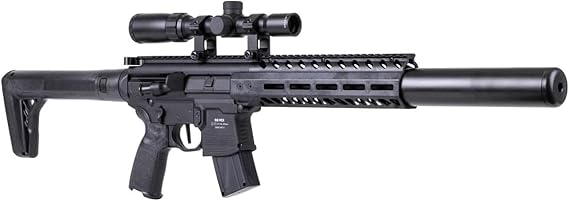
When it comes to gear, axis deer hunting is a unique beast. You aren’t sitting in a heated blind in the Midwest or trekking through the freezing mountains of the Rockies. You are usually in a high-heat, high-glare environment where the brush is thick and the animals have eyes like telescopes.
As someone who obsesses over the right tool for the job, I can tell you that your gear list needs to balance ruggedness with weight. If it’s too heavy, you’ll leave it in the truck; if it’s too flimsy, the mesquite and lava rock will eat it alive.
The Rifle: Precision Meets Punch
I’ve seen guys try to use their “varmint rifles” on axis because they see the spots and think “small deer.” Don’t make that mistake. A mature axis buck is a solid muscle machine. While a .243 Winchester is technically enough with a perfect shot, I recommend stepping up for more margin of error.
- The Go-To Calibers: The .270 Winchester and the .308 Winchester are the gold standards here. They fly flat enough for those 250-yard shots across a Texas sendero but carry enough energy to drop a 250-pound buck in his tracks.
- The Modern Choice: The 6.5 Creedmoor or the 6.5 PRC have become incredibly popular for axis. Why? Low recoil. When it’s 100 degrees and you’re sweating through your shirt, the last thing you want is a rifle that kicks like a mule and gives you a flinch.
- Bullet Selection: Use a controlled-expansion bullet like the Nosler Partition or Federal Terminal Ascent. Axis have surprisingly thick skin and heavy shoulder bones. You want a bullet that stays together.
Optics: The Make-or-Break Category
If you’re going to spend money, spend it here. You will spend hours glassing for a tiny patch of white spots hidden in a sea of brown cedar.
- Binoculars: I consider 10×42 to be the “sweet spot.” An 8-power won’t give you enough detail to judge tine length at a distance, and a 12-power can be hard to hold steady when you’re heart is racing after a long stalk. Look for high-end glass with “HD” or “ED” designations, this helps cut through the heat haze that plagues summer hunts.
- Riflescope: A 3-9×40 is the classic choice, but a 2.5-10x or even a 3-15x gives you a bit more versatility. Make sure it has a clear, simple reticle. You don’t need a complicated Christmas-tree grid for most axis hunts, just good light transmission for those last few minutes of legal shooting light.
Clothing: The “Summer Stealth” System
Forget your heavy wool and insulated bibs. For axis, you need high-performance synthetics or merino wool.
- Breathability is King: Look for “early season” lines from brands like Sitka, Kuiu, or First Lite. You want moisture-wicking shirts and pants that vent heat.
- Snake Protection: Especially in Texas, snake gaiters or snake-proof boots are not “optional” in my book. You’ll be walking through high grass and cactus where rattlesnakes love to lounge.
- Camouflage Patterns: Since axis hunting often happens when everything is green or “burnt gold,” patterns like Sitka Subalpine or Kuiu Verde work exceptionally well.
The “Hidden” Essentials
- Shooting Sticks: Unless you’re a sniper, you won’t want to take a 200-yard shot off-hand. A lightweight set of Primos Trigger Sticks can be a lifesaver in the tall grass.
- Hydration: I’ve seen more hunts ended by dehydration than by a missed shot. Carry a 2-liter bladder and some electrolyte tabs.
The Axis Gear Checklist (2025 Edition)
Everything you need to pack for a 3-day pursuit.
- [ ] Rifle & 2 Boxes of Ammo (Sighted in at 100 or 200 yards)
- [ ] 10×42 Binoculars (With a chest harness to keep them off your neck)
- [ ] Rangefinder (Crucial for open-field shots)
- [ ] Lightweight Camo (No cotton! Go with synthetics)
- [ ] Snake Gaiters (High-quality, bite-proof)
- [ ] Sharp Field Knife (And a backup, axis hide is tough)
- [ ] Game Bags (Large enough for 4 quarters)
- [ ] Headlamp (With a red light mode to avoid spooking game)
- [ ] Sturdy Cooler (Pre-chilled with ice in the truck)
Booking Your Hunt: What to Look for in an Outfitter
If you’re looking to book a trip, do your homework. A lot of places claim to have “trophy axis,” but you want to ask about their success rates on free-range land specifically.
Ask the outfitter:
- Is this a “trophy fee” hunt or a flat daily rate?
- Are we hunting over feeders or doing spot-and-stalk?
- What happens to the meat? (Most reputable guides have a walk-in cooler and can recommend a local processor).
Frequently Asked Questions
What is the best month to hunt axis deer?
While you can technically hunt them 365 days a year, the “magic window” is June and July. This is the peak of the summer rut. You’ll find the highest percentage of mature bucks in hard antler, and more importantly, they’ll be vocal. If you want to hear them “roar” and have the best chance at a trophy, brave the heat of mid-summer.
Do I need a special license for axis deer in Texas?
Since they are an exotic species, you don’t need a specific “axis tag” like you would for a whitetail. However, you must have a valid Texas hunting license (even the “Non-Resident 5-Day Special Exotic” license works for out-of-state hunters). On private land, there are no bag limits and no closed seasons.
How big is a “trophy” axis buck?
In the world of axis, we measure by the length of the main beams. A “representative” buck is usually in the 26 to 28 inch range. A true trophy, the kind you put on the wall, starts at 30 inches. If you cross the 34-inch mark, you’re looking at a world-class animal.
What do axis deer sound like?
They are much louder than our native deer. Bucks make a guttural, terrifying sound called a “roar” or “bellow” that sounds almost like a mix between an elk bugle and a lion’s roar. Both sexes also have a high-pitched “alarm bark” that sounds like a loud, sharp “YELP!” If you hear that bark, the jig is up, they’ve spotted you.
Is it better to hunt axis or whitetail for meat?
If the freezer is your priority, axis wins every single time. It has a milder flavor, significantly less fat, and a more tender texture. Many people who “don’t like venison” find that they actually love axis.
Can you hunt axis deer on public land?
It’s tough. In Texas, they are almost exclusively found on private ranches, though a few occasionally wander onto public river bottoms. In Hawaii, there are public hunting areas on Maui and Lanai, but these often require a lottery draw or specific permits. For most hunters, a reputable outfitter on private land is the most reliable route.
Conclusion: Your Next Steps in the Pursuit
At the end of the day, axis deer hunting is the ultimate “bridge” for the dedicated hunter. It fills that long gap between spring turkey season and the fall whitetail opener, and it offers some of the most challenging spot-and-stalk opportunities you’ll find without having to buy an international plane ticket.
If you’re ready to move from “curious” to “committed,” my advice is simple: book your summer hunt at least six months in advance. The best outfitters in the Texas Hill Country fill their June and July calendars quickly because that summer rut is no longer a secret.
Get your rifle sighted in, start drinking extra water to prep for the heat, and get ready for the most delicious backstraps you’ve ever tasted.
