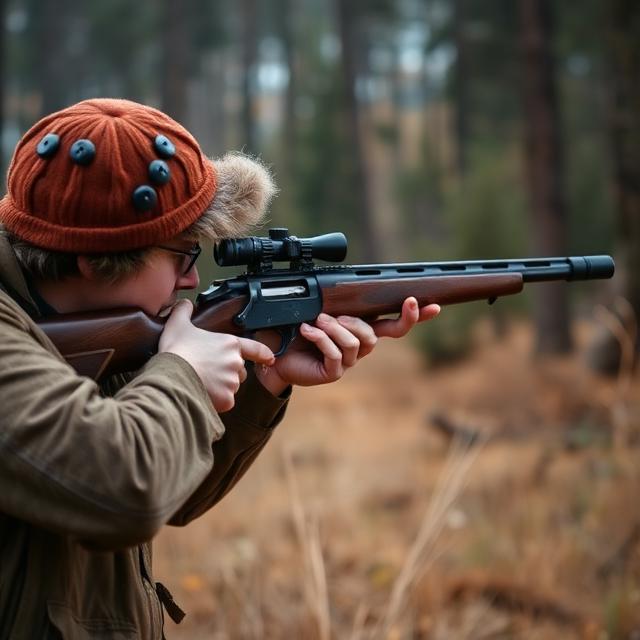
I’ve seen it happen too many times. A hunter invests in a new rifle, practices at the range, and feels confident heading into the woods. Then the moment arrives, a perfect shot opportunity at a mature buck. The trigger breaks, the deer bolts, and despite what seemed like good placement, there’s minimal blood trail. Hours of searching turn up nothing.
Sometimes the problem isn’t the shooter. It’s the caliber.
Choosing the wrong cartridge for deer hunting leads to wounded animals, lost game, and gut-wrenching regret. Some calibers simply lack the energy for clean kills. Others deliver so much power that they destroy meat and punish the shooter with brutal recoil. A few are so obscure that finding ammunition becomes a scavenger hunt.
After two decades of hunting whitetails across different terrain and helping dozens of hunters select their first deer rifle, I’ve learned which calibers consistently disappoint. This guide breaks down the seven worst choices for deer hunting, explains exactly why they fail, and points you toward better alternatives that actually work.
What Makes a Caliber Wrong for Deer Hunting?
Not every cartridge is built for the same job. A round that drops prairie dogs at 300 yards might lack the punch to penetrate a deer’s vitals. A caliber designed to stop charging Cape buffalo is absurd overkill for a 150-pound whitetail.
The wrong caliber creates problems you can’t shoot your way out of.
Insufficient Energy for Ethical Kills
Here’s the baseline: most experts agree you need at least 1,000 foot-pounds of energy at impact for reliable deer hunting. That’s not some arbitrary number pulled from thin air. It represents the minimum force required to penetrate both lungs or the heart, even when the bullet encounters bone.
Energy alone doesn’t tell the whole story, though. Bullet construction matters enormously. A lightweight varmint bullet traveling at blistering speed might show impressive energy numbers on paper, but if it fragments on impact and doesn’t reach the vitals, that energy goes to waste. You need a projectile that expands reliably while maintaining enough mass to drive deep into the chest cavity.
I’ve tracked deer hit with underpowered calibers. The blood trails are sparse, sometimes nonexistent. The deer often travel hundreds of yards before bedding down, making recovery difficult or impossible. That’s not hunting. That’s wounding animals and hoping for the best.
Excessive Recoil That Ruins Accuracy
On the flip side, magnums and dangerous game calibers deliver so much recoil that most hunters develop a flinch. You might not notice it at first. But your subconscious knows that cannon is about to go off, and your body tenses up or jerks the rifle just before the firing pin drops.
I’ve watched shooters at the range consistently punch three-inch groups with a .308 Winchester, then switch to a .300 Remington Ultra Magnum and spray rounds all over a paper plate. The problem isn’t their skill. It’s the physics of a 20-pound kick to the shoulder.
Accuracy matters more than power. A well-placed shot from a moderate cartridge beats a poorly placed magnum round every single time. If you can’t shoot a caliber comfortably, you won’t shoot it well when it counts.
Overkill That Damages Meat
Walk into any deer processor in November and you’ll see carcasses with basketball-sized exit wounds. That’s what happens when you hit a deer’s shoulder with a 300-grain bullet designed to break elephant bones. The hydrostatic shock from ultra-high velocity or extremely heavy bullets turns backstraps into hamburger.
I’m all for quick, humane kills. But there’s a point where more power stops helping and starts destroying the reason you’re hunting in the first place. Venison tastes great. Ruined venison goes to waste.
Limited Ammunition Availability
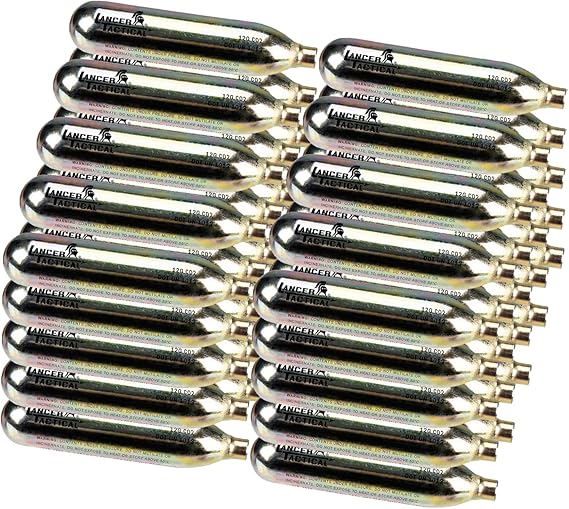
You found a great deal on a rifle chambered in some wildcat cartridge or obscure European metric caliber. Fantastic. Now try finding ammunition for it at your local sporting goods store. Or during the panic buying that happens every few years. Or in a rural town when you’re on a hunting trip and realized you forgot your ammo at home.
Niche calibers create practical headaches. They’re expensive, hard to find, and if you can’t practice regularly because ammunition costs three dollars per round, you won’t be proficient when hunting season arrives.
The 7 Worst Deer Hunting Calibers (And Why They Fail)
Let’s get specific. These cartridges consistently underperform for deer hunting, and I can tell you from experience or secondhand accounts exactly why they fall short.
#1: .223 Remington/5.56 NATO
The .223 Remington has become wildly popular thanks to the AR-15 platform. It’s affordable, low recoil, and accurate. For varmints and target shooting, it’s perfect. For deer hunting, it’s borderline irresponsible.
This cartridge was designed to wound enemy combatants, not cleanly kill game animals. A 55-grain bullet traveling at 3,200 feet per second sounds impressive until you realize that lightweight projectile sheds energy rapidly and often fragments before reaching vital organs. At longer ranges, it drops below that 1,000 foot-pound threshold quickly.
Many states actually prohibit .223 for deer hunting, and for good reason. I’ve heard too many stories of deer hit with .223 rounds running off with superficial wounds. Sure, a perfect broadside lung shot at 75 yards might work. But what about a quartering-away angle? What about when that deer takes a step just as you squeeze the trigger?
Ethical hunting means preparing for less-than-perfect scenarios. The .223 doesn’t give you that margin for error.
Better alternative: Step up to a .243 Winchester or 6.5 Grendel. Both offer manageable recoil while delivering genuine deer-stopping power with proper bullets. The 6.5 Grendel works in an AR-15 platform if that’s what you prefer, and it’s legal in every state for deer.
#2: .22-250 Remington
The .22-250 is a laser beam for coyotes and groundhogs. It’s fast, flat-shooting, and incredibly accurate. I love mine for predator hunting. But I’d never take it after deer.
This cartridge pushes lightweight bullets to extreme velocities, we’re talking 4,000 feet per second. Those thin-jacketed varmint bullets are designed to explode on contact with prairie dogs. When they hit a deer’s shoulder blade or rib, they fragment into dozens of pieces, creating a shallow, massive wound that looks devastating but often fails to reach the heart or lungs.
Even with heavier bullets designed for deer, the .22-250 is marginal. Several states ban it for deer, and outfitters I know refuse to allow clients to use it. The risk of wounding and losing animals is too high.
Better alternative: The .257 Roberts or 6mm Creedmoor both shoot flat and hit hard enough for deer at reasonable distances. They use heavier, tougher bullets that penetrate reliably without the explosive fragmentation of .22-caliber varmint rounds.
#3: .17 HMR and Other Rimfire Calibers
This shouldn’t need saying, but I’ve met hunters who thought a .17 HMR or .22 WMR could work for deer with good shot placement. Let me be crystal clear: rimfire cartridges are never, ever appropriate for deer hunting. Not even close.
These rounds were designed for squirrels and rabbits. They lack the energy, penetration, and bullet construction to humanely kill an animal weighing 100 to 200 pounds. Using rimfire on deer is illegal in all 50 states, and it’s one of the quickest ways to lose your hunting privileges permanently if a game warden catches you.
I don’t care how good a shot you think you are. There is no scenario where a rimfire caliber ethically kills a deer.
Better alternative: Any centerfire deer cartridge, starting with the .243 Winchester at the light end. Don’t overthink this one.
#4: .458 Winchester Magnum (and Similar Dangerous Game Calibers)
At the opposite extreme, we have cartridges designed to stop charging Cape buffalo, elephants, and grizzly bears. The .458 Winchester Magnum is a genuine powerhouse, launching 500-grain bullets with bone-crushing authority.
For whitetail deer? It’s absurd.
I’ve shot a .458 Win Mag exactly once. The recoil felt like getting kicked by a mule. My shoulder ached for three days. Nobody shoots these cartridges well unless they’re professional hunters in Africa who fire them regularly. For the average deer hunter, the flinch and accuracy problems make it a terrible choice.
Then there’s the meat damage. A 500-grain bullet moving at 2,100 feet per second doesn’t just kill a deer, it liquefies tissue through hydrostatic shock. You’ll lose most of both front shoulders and probably some backstrap. And at five dollars per round, your practice sessions will be brief and painful.
Better alternative: A .308 Winchester or .30-06 Springfield provides all the power you’ll ever need for deer hunting with manageable recoil and affordable ammunition. If you hunt elk and deer and want one rifle for both, the .30-06 is more than capable.
#5: .300 Remington Ultra Magnum
The .300 RUM represents the extreme end of the .30-caliber magnum spectrum. It pushes 180-grain bullets to 3,400 feet per second, generating over 4,600 foot-pounds of muzzle energy. For perspective, that’s roughly triple what you need for deer.
Excessive power creates problems. First, the recoil is punishing, around 35 to 40 foot-pounds, which is more than most shooters can handle accurately. I’ve watched hunters at shooting ranges flinch so badly with ultra magnums that they miss targets at 100 yards.
Second, barrel wear accelerates dramatically. You might get 800 rounds through a .300 RUM before accuracy degrades. A standard .308 Winchester barrel lasts 5,000 rounds or more. Third, ammunition costs twice as much as regular .30-caliber hunting rounds.
You’re spending more money to shoot less accurately with more recoil than necessary. That’s not a winning combination.
Better alternative: If you genuinely want magnum performance for long-range western hunting, the .300 Winchester Magnum or 7mm Remington Magnum delivers excellent results with notably less recoil and better barrel life. For eastern whitetails, standard cartridges work better.
#6: .25 ACP and Other Pocket Pistol Calibers
Every few years, someone online asks if they can use their .25 ACP, .32 ACP, or .380 ACP pocket pistol for deer hunting. The answer is an emphatic no.
These tiny cartridges were designed for concealed carry self-defense at bad-breath distances. They fire lightweight bullets at low velocities with minimal energy. A .25 ACP generates maybe 65 foot-pounds of energy, about 5% of what’s needed for deer.
Even proper deer hunting handgun cartridges like the .357 Magnum are borderline, and they produce ten times more energy than pocket pistol rounds. Using a .25 ACP on a deer is animal cruelty disguised as hunting.
Better alternative: If you want to hunt deer with a handgun, use a legitimate hunting revolver chambered in .44 Magnum, .454 Casull, or .500 S&W. In states requiring straight-wall cartridges, rifles chambered in .450 Bushmaster or .350 Legend are far better choices than any handgun.
#7: Obsolete or Wildcat Calibers
Walk through a gun show and you’ll find rifles chambered in cartridges like the .250 Savage, .219 Zipper, .25-20 Winchester, or various wildcats. Some of these are legitimately interesting from a historical perspective. A few might even perform adequately on deer.
The problem is practicality. Try finding .250 Savage ammunition at Walmart. Check online retailers and you might locate a few boxes at premium prices, if they’re in stock at all. Components for reloading can be equally scarce.
I met a hunter once who inherited his grandfather’s rifle chambered in .250-3000 Savage. Beautiful gun with family history. But he spent weeks tracking down three boxes of ammunition before hunting season, paying over 80 dollars for 60 rounds. Then his rifle didn’t like the only load he could find, grouping poorly at 100 yards.
Hunting should be enjoyable, not a logistical nightmare.
Better alternative: Modern cartridges with similar performance but widespread support. Instead of .250 Savage, use .243 Winchester. Instead of .219 Zipper, use .223 Remington (for varmints) or .22-250. You’ll find ammunition everywhere, with multiple bullet weights and types available.
Deer Caliber Performance Comparison Chart
Here’s a quick reference comparing problematic calibers against proven alternatives:
| Caliber | Muzzle Energy (ft-lbs) | Recoil (ft-lbs) | Ammo Availability | Meat Damage Risk | Verdict |
|---|---|---|---|---|---|
| .223 Remington | 1,300 | 4 | Excellent | Low | Too Weak |
| .22-250 Rem | 1,400 | 7 | Good | High | Too Fragile |
| .458 Win Mag | 5,100 | 62 | Limited | Extreme | Massive Overkill |
| .300 RUM | 4,600 | 38 | Fair | Very High | Excessive |
| .243 Winchester | 1,950 | 10 | Excellent | Low | Ideal Light Option |
| .308 Winchester | 2,650 | 17 | Excellent | Moderate | Gold Standard |
| 6.5 Creedmoor | 2,400 | 13 | Excellent | Low | Modern Favorite |
| .30-06 Springfield | 2,900 | 20 | Excellent | Moderate | Time-Tested |
| 7mm-08 Remington | 2,500 | 14 | Very Good | Low | Low Recoil Choice |
Note: Energy figures based on common hunting loads. Recoil calculated for 8-pound rifles.
What Makes a Good Deer Hunting Caliber?
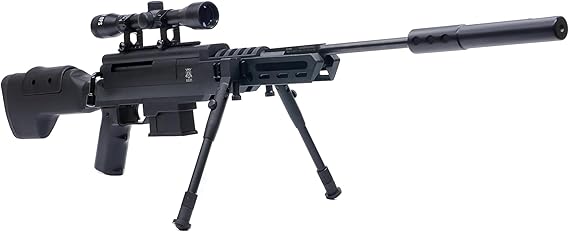
After covering what doesn’t work, let’s talk about what does. The best deer cartridges share specific characteristics that make them effective, practical, and pleasant to shoot.
Adequate Energy at Your Hunting Range
That 1,000 foot-pound minimum applies at your expected shooting distance, not at the muzzle. A cartridge might start with 2,500 foot-pounds but drop below 1,000 at 400 yards. If you hunt thick woods where shots max out at 100 yards, you have different needs than someone shooting across Montana wheat fields.
Most whitetail hunters shoot deer between 50 and 150 yards. At those distances, cartridges like the .308 Winchester, .30-06, and 6.5 Creedmoor all deliver well over 1,000 foot-pounds with room to spare.
Manageable Recoil for Accurate Shot Placement
I’d rather watch someone shoot a .243 Winchester accurately than a .300 magnum poorly. The best caliber is always the one you can shoot well. Recoil tolerance varies enormously between hunters based on body size, shooting experience, and individual pain threshold.
Generally, keeping recoil under 20 foot-pounds makes for comfortable shooting. That includes most standard cartridges from .243 up through .30-06. Beyond that, you start seeing accuracy problems and flinching in the majority of shooters.
Proven Terminal Performance
Some cartridges just work. They’ve been killing deer cleanly for decades or longer. The .30-30 Winchester has probably accounted for more whitetails than any other cartridge in North America. The .270 Winchester and .30-06 have similar track records.
Newer cartridges like the 6.5 Creedmoor and .350 Legend have quickly proven themselves as well. The key is choosing bullets designed for deer, controlled expansion projectiles that hold together and penetrate deeply rather than varmint bullets that fragment.
Readily Available Ammunition
When I recommend a caliber to new hunters, ammunition availability ranks near the top of my criteria. You need to practice regularly, and that means affordable ammunition you can actually find. During shortages, common cartridges like .308, .30-06, and .243 might get scarce, but they’re still easier to locate than obscure chamberings.
Having multiple bullet weight and type options matters too. Maybe you want light, fast bullets for open country. Maybe you prefer heavy, tough bullets for woods hunting. Popular cartridges give you choices.
Top 5 Proven Deer Hunting Calibers
If you want reliability over novelty, these five cartridges have earned their reputations through generations of success.
.308 Winchester
The .308 Win hits the sweet spot for deer hunting. It generates around 2,600 foot-pounds at the muzzle with 150 to 165-grain bullets, delivers moderate recoil around 17 foot-pounds, and you can find ammunition literally anywhere firearms are sold.
I’ve used a .308 for deer hunting for 15 years. It handles every situation I’ve encountered, from tight brush shots at 40 yards to open field opportunities at 250 yards. Factory loads are affordable enough for regular practice, and the cartridge is inherently accurate.
.30-06 Springfield
The .30-06 has been America’s go-to hunting cartridge for over a century. It’s more versatile than the .308, capable of launching everything from 110-grain bullets to 220-grain heavyweights. That flexibility makes it ideal if you hunt various game species.
For deer specifically, 150 to 180-grain bullets work beautifully. Recoil sits around 20 foot-pounds, noticeable but manageable for most adults. And the ammunition selection is unmatched. Every manufacturer loads .30-06, in every conceivable bullet style.
6.5 Creedmoor
The 6.5 Creedmoor represents modern cartridge design done right. It shoots flat, bucks wind well, and generates only 12 to 15 foot-pounds of recoil depending on bullet weight. For new hunters, smaller-framed shooters, or anyone who wants excellent ballistics without punishment, it’s tough to beat.
I was skeptical when the Creedmoor hype started. Then I shot one. The accuracy impressed me immediately, and its performance on deer has been flawless. It doesn’t destroy meat like magnums, but it penetrates deeply and creates large wound channels.
.270 Winchester
Jack O’Connor championed the .270 for decades, and his enthusiasm was justified. This cartridge shoots incredibly flat, making long-range shots easier. With 130 to 150-grain bullets, it generates around 2,700 foot-pounds of energy with recoil similar to the .30-06.
The .270 does produce more meat damage than smaller calibers at close range, particularly with light, fast bullets. But for open country hunting where shots average 200 yards or more, it’s hard to find a better balance of trajectory and energy.
7mm-08 Remington
Think of the 7mm-08 as a .308 Winchester necked down to 7mm. It offers similar ballistics to the .308 but with roughly 15% less recoil. For younger hunters, women, or anyone recoil-sensitive, it’s an outstanding choice that doesn’t sacrifice performance.
The 7mm-08 launches 140-grain bullets at 2,800 feet per second, generating plenty of energy for deer at any reasonable distance. Ammunition availability is good though not quite as universal as .308 or .30-06.
How to Choose the Right Caliber for Your Hunting Situation
Generic recommendations only go so far. Your ideal deer caliber depends on specific factors that make your hunting unique.
Consider Your Hunting Environment
If you hunt thick eastern forests where visibility maxes out at 75 yards, you don’t need a flat-shooting magnum. A .30-30 Winchester lever action or .350 Legend work beautifully in that environment. The shots are close, quick, and require fast handling more than long-range precision.
Western hunters glassing across canyons face different challenges. When your average shot might be 300 yards, a 6.5 Creedmoor or .270 Winchester makes more sense. Flat trajectory matters when you’re trying to hit vitals at extended range.
Match Caliber to Deer Species
Whitetails typically weigh 100 to 200 pounds, with bigger bucks pushing 250 in the northern states. Mule deer run larger, with mature bucks weighing 200 to 300 pounds. Blacktails are smaller, usually under 200 pounds.
For whitetails and blacktails, anything from .243 Winchester up works fine. If you hunt Roosevelt elk and blacktail deer in the Pacific Northwest, stepping up to .308 or .30-06 makes sense for versatility.
Factor in Your Physical Build and Experience
A 14-year-old kid learning to hunt needs a different rifle than a 200-pound man who shoots regularly. Starting someone on a .300 magnum is a good way to create bad habits and destroy their confidence.
I’ve introduced probably 20 people to deer hunting. Almost all of them started with a .243 Winchester or 7mm-08 Remington. Light recoil let them focus on fundamentals, breathing, trigger control, follow-through, without developing a flinch. As they gained experience, some moved up to more powerful cartridges. Others stuck with what worked.
State Regulations and Legal Requirements
Some states mandate straight-wall cartridges or shotgun slugs for deer hunting. Indiana, Ohio, and Iowa are examples. In those areas, your choices narrow to cartridges like the .450 Bushmaster, .350 Legend, or .444 Marlin.
Other states set minimum caliber requirements. A few ban .223 Remington specifically, while others establish minimum case length or bullet diameter rules. Check your local regulations before buying a deer rifle.
Common Myths About Deer Hunting Calibers Debunked
Hunting culture passes down a lot of conventional wisdom that doesn’t hold up under scrutiny. Let’s clear up some persistent myths.
“Bigger Is Always Better”
More power sounds better until you actually shoot magnum cartridges regularly. The recoil makes practice unpleasant, accuracy suffers from flinching, and you destroy more meat than necessary. A .300 Winchester Magnum doesn’t kill deer any deader than a .308 Winchester with good shot placement.
This myth persists because ego gets involved. Some hunters feel like using a moderate cartridge means they’re not serious or tough enough. That’s nonsense. The goal is filling tags and recovering deer, not impressing other hunters with your ability to handle recoil.
“You Need a Magnum for Long Shots”
Define “long shots.” If you’re shooting at deer beyond 400 yards, magnums help. But most hunters have no business taking 400-yard shots at deer anyway. The odds of wounding increase dramatically at extended ranges regardless of caliber.
A 6.5 Creedmoor has plenty of energy at 300 yards, roughly 1,600 foot-pounds, which is 60% more than the minimum threshold. A .308 Winchester delivers similar performance. You don’t need a .300 magnum kicking your shoulder to make ethical shots at reasonable hunting distances.
“The .223 Is Fine If You’re a Good Shot”
This is the most dangerous myth because it contains a grain of truth twisted into poor advice. Yes, perfect shot placement matters enormously. But hunting rarely offers perfect scenarios. Deer move. Branches deflect bullets. Adrenaline causes tremors. Wind pushes projectiles off course.
Using an adequate caliber gives you margin for error. The .223 Remington doesn’t. When people say “it’s fine if you’re a good shot,” they’re really saying “it’s marginal even under ideal conditions.”
Final Recommendations
Choosing a deer hunting caliber shouldn’t be complicated. Avoid the cartridges on the “worst” list, pick something from the proven options, and spend your money on quality ammunition and practice time instead of chasing marginal gains from exotic chamberings.
The .308 Winchester remains my default recommendation for most deer hunters. It’s accurate, affordable, effective, and available. If you’re recoil-sensitive, the 6.5 Creedmoor or 7mm-08 Remington make excellent alternatives. If you want maximum versatility for different game species, the .30-06 Springfield still can’t be beat.
What matters far more than caliber is knowing your equipment, practicing regularly, and only taking shots you’re confident making. I’ve seen hunters with .243 Winchesters recover more deer than guys shooting .300 magnums simply because they practiced more and shot better.
Get a reliable rifle in a common caliber. Buy quality ammunition designed for deer. Shoot it enough to know exactly where it hits at various distances. Then hunt with confidence knowing your equipment won’t let you down.
The worst caliber for deer hunting is the one you can’t shoot accurately. Everything else is just details.
