
Let’s be honest. You can have the best gear, the perfect stand location, and the stealth of a ghost in the woods. But if you’re not there when the deer are moving, you’re just practicing your sitting skills. I’ve been there, staring at an empty shooting lane for hours, wondering what I got wrong. More often than not, the issue wasn’t where, but when.
So, what is the single best time to hunt deer? The truth is, there’s no magic hour on the calendar. It’s a layered answer, a combination of daily rhythm, seasonal madness, and weather’s invisible hand. The best time is when you successfully sync your presence in the woods with the perfect convergence of these factors. This guide will walk you through each layer, from the daily grind to the rut’s chaos, so you can stop guessing and start timing your hunts with purpose.
Why Timing Is Everything in Deer Hunting
Think of a deer’s life as a constant cost-benefit analysis. Every movement is a transaction where energy spent must be outweighed by calories gained, safety assured, or genes passed on. They aren’t random. They’re survival software running on a loop, and timing is the code.
The Science of Deer Movement: Circadian Rhythms and Survival Instincts
Deer are crepuscular. That’s a fancy biology term for “dawn and dusk junkies.” Their eyes are built for low light, giving them a predator-avoiding edge during these transitional periods. This ingrained, daily pattern is your baseline. But it’s not a strict schedule. It’s a preference, heavily modified by pressure and necessity. Understanding this rhythm is Hunting 101, but mastering what bends it is where the trophies are won.
Maximizing Your Limited Time in the Field (For the Working Hunter)
Most of us aren’t living in a deer camp from October through January. We have jobs, families, and real life. This makes timing not just a strategy, but a precious resource. Knowing that a cold front hitting on a Saturday morning in the pre-rut is a golden ticket means you block that time off weeks in advance. It’s about quality over quantity. One sit during a primary deer movement window is worth five sits during the midday lull. We hunt smarter, not longer.
How Correct Timing Increases Ethical Shot Opportunities
This is the part that matters most to me as a hunter. Better timing means deer are moving naturally, not spooked. You get broadside shots at walking deer, not frantic running glimpses. It shortens tracking distances and increases clean, humane harvests. When you’re in rhythm with the deer, the whole experience feels more respectful and connected.
The Best Time of Day to Hunt Deer: Dawn vs. Dusk Debunked
The old “be in your stand before sunrise and after noon” advice is good, but it’s incomplete. Let’s break down what’s really happening during these windows.
Prime Morning Hunting Hours: Why the First Light is Often King
I’m a morning hunt believer, especially during the early season and pre-rut. Here’s why. Overnight, deer have been feeding in relatively secure openness. At first light, they’re transitioning back to daytime bedding areas. This means they’re on their feet, following predictable trails from food to thick cover. You’re intercepting a planned movement. The key is to be settled early, I mean, in the dark and quiet a full hour before legal shooting light. Your entrance is critical. If you bump deer on the way in, you’ve blown the entire morning.
The Evening Hunt Strategy: Capitalizing on Pre-Dusk Activity
Evening hunts are about anticipation. Deer are waking up in their secure beds and beginning to think about food. As shadows lengthen and human activity in the woods dies down, they start to stir. The movement often builds slowly, right up until last light. The advantage? You can often sneak into a stand mid-afternoon without disturbing the core bedding area. The disadvantage? If you shoot a deer late, you face a tracking job and recovery in the dark. Always have a good light and a plan for recovery.
Don’t Overlook Midday: When to Hunt During “Off Hours”
This is the most overlooked daily deer movement secret. During the peak rut, bucks are chasing does 24/7. A cruising buck can blast through any time. I’ve taken some of my best deer between 11 a.m. and 2 p.m. during the rut. Furthermore, on heavily pressured public land, deer often get nocturnal. Your only chance might be to stay put all day, as the only human quiet enough to witness a sneaky midday shift from one bedding area to another. Pack a lunch, a bottle, and your patience.
The Best Season to Hunt Deer: A Month-by-Month Breakdown
The “when” changes dramatically from opening day to the last day. Your tactics must evolve with the calendar.
Early Season (Pre-Rut): Patterning and Food Source Strategies
In early season, deer are creatures of habit. They’re focused on recovering from winter and building fat. Summer feeding patterns are still strong. Find the primary food source, ag fields, oak flats, apple trees, and hunt the trails leading to it, back in the cover. Morning hunts can be great, as deer return from feeding. Focus on predictability. This is a great time for treestand placement for early season.
The Peak Rut: Your Best Chance for Daylight Buck Movement
For about two weeks (timing varies by region), the rulebook is thrown out. Bucks are chasing, scraping, and traveling relentlessly to find does in estrus. Does are moving more too. During the peak rut phases, the best time to hunt is anytime you can. All-day sits pay off. Focus on funnels between doe bedding areas. Rattling and grunting can be highly effective. This is when that 10 a.m. to 2 p.m. magic happens. Forget food sources; think doe traffic.
Late Season (Post-Rut & Winter): Pressure, Cold, and Recovery Feeding
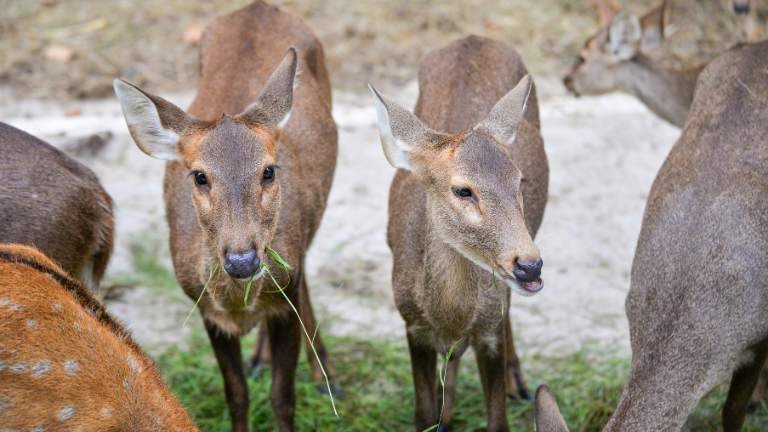
The woods feel different now. Bucks are worn out, wary from months of pressure, and driven by one thing: survival. They need calories to survive the cold. The hunt resets back to food sources, but now it’s about the highest-calorie options, winter wheat, standing corn, brassica plots. The trick? They’ll often feed under the cover of darkness. Your play is to hunt the thermal cover and staging thickets between beds and food. A brutal cold snap after a front can trigger a desperate, daylight feed. Be there.
How Weather Dictates the Best Hunting Times
If season sets the stage and time of day writes the script, weather is the director. It calls the shots.
Barometric Pressure: The Hunter’s Secret Weapon
Deer feel changes in air pressure through their sinus cavities. A rapidly falling barometer signals an approaching storm, time to feed up before the bad weather hits. A steady, high pressure after a front often brings a burst of activity. I don’t get lost in exact numbers. I watch the barometric pressure trend. Is it rising, falling, or stable? A falling or low pressure is my green light to be in the woods. It’s one of the most reliable deer movement triggers.
Temperature Swings and Deer Activity: Fronts Are Your Friend
The single biggest weather factor is a significant temperature change. A sudden 15-20 degree drop is like an alarm clock for deer. The first cold, crisp morning after a warm spell is almost always a great day to be out. Conversely, a sudden warm-up during late season can shut movement down. Hunt the leading edge of a front, and the day after it hits.
Wind, Rain, and Snow: How to Adapt Your Timing Strategy
- Wind: High winds (over 15-20 mph) make deer nervous and hinder their hearing/smell. They often hunker down. Use raging wind days for scouting or hanging stands. Hunt the calm moments before or after the high wind.
- Rain: A light drizzle or mist can be fantastic, it dampens sound and scent, and deer move well. A steady, hard rain usually pins them down. The magic hour is often right as a steady rain is letting up. They’ll get up to shake off and feed.
- Snow: A falling snow is good. A fresh snow (first few hours after it stops) is golden. Tracks are fresh, the world is quiet, and deer move to feed. It’s my absolute favorite condition to hunt.
The Moon’s Influence on Deer Movement: Fact or Fiction?
The “deer hunting moon phase” debate is a campfire classic. Some swear by the solunar tables; others call it bunk. Here’s my practical take. The moon’s phase can influence the nocturnal activity level of deer. A bright full moon might allow them to feed comfortably all night, making them less active at dawn. A dark, new moon might mean more daytime movement. But here’s the kicker: Weather and hunting pressure are 100 times more influential. Never let a moon guide stop you from hunting a perfect weather day during the rut. Use it as a very minor factor, if at all.
Advanced Timing Considerations for the Tactical Hunter
Hunting Pressure and Its Impact on “Good Times” to Hunt
On public land or small, pressured private parcels, deer adapt to human schedules. If everyone climbs in at 5 a.m. and walks out at 11 a.m., guess what? Deer move at noon. You must hunt against the pressure. Go in later, stay later, or get in extremely early and commit to all-day sits. The most pressured deer become borderline nocturnal, making your timing window incredibly tight.
Timing Your Sits Based on Scouting Camera Data
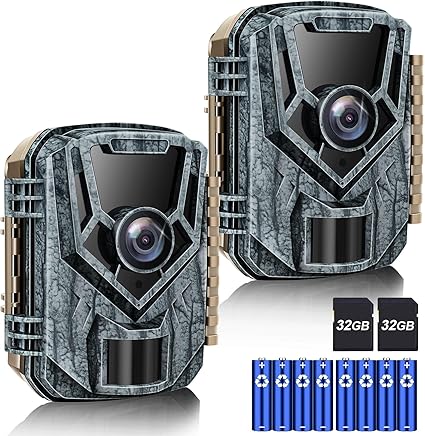
Your trail cameras are clocks. Don’t just look at what is there; analyze the time stamps on trail cam photos. Is that shooter buck appearing at 9:43 a.m. every three days? That’s not coincidence; it’s a pattern. Use this data to plan your intrusion. If he’s moving through at 10 a.m., you need to be there by 5 a.m., without alerting him. Correlate this with weather data from those days to understand the “why” behind the “when.”
Adjusting for Geography: North vs. South Deer Hunting Seasons & Timing
A rut hunt in Minnesota is not the same as a rut hunt in Alabama. In the North, the rut is a compressed, frantic event often triggered by shortening daylight (photoperiod). In the Deep South, it can be more drawn-out and influenced by local herd dynamics. Regional deer behavior matters. Connect with local hunters, read state-specific studies, and tailor your timing expectations. What works in Iowa may flop in Georgia.
FAQs: Best Time to Hunt Deer Answered by Experts
Is it better to hunt deer in the morning or evening during the rut?
During the peak of the rut, hunt whenever you can. But if I had to choose, I’d lean morning. Bucks are often still moving with does from the night’s activities, providing intercept opportunities as they return to cover.
What is the single best week to hunt deer in most states?
Look for the week that typically encompasses the breeding phase of the rut. This is often the first two weeks of November in much of the whitetail’s range (the “November Lull” is a myth if you’re in the right spot). Check your state’s wildlife agency rut maps for more precise timing.
Do deer move more before or after a cold front?
The magic often happens as the front is arriving (falling pressure, rising wind) and for the 24-48 hours after it passes (clear skies, high pressure, cooler temps). The day after a strong front is legendary for a reason.
What time are most big bucks killed?
Statistically, between 9:00 a.m. and 10:00 a.m. This isn’t because bucks love mid-morning; it’s because that’s often when they complete their post-dawn movement back toward bedding, intersecting with hunters who got in early and stayed put. It underscores the value of the all-day sit.
Conclusion: The Unforgiving Clock
At the end of the day, all this knowledge about moon phases, pressure drops, and rut peaks boils down to one non-negotiable truth: you have to be there.
The deer’s clock is always ticking, dictated by instincts older than hunting seasons. Our job is to sync our watch to theirs. It won’t be perfect every time. You’ll still have slow sits and days where the forecast lied. But now, you’re not just rolling the dice. You’re making an educated guess based on season, weather, and pressure.
So check that priority framework. Watch the weather for that temperature plunge. Block out those rut days on your calendar. And then, commit. Get in early, stay late, and be still. Because the best time to hunt deer isn’t just a date on a chart. It’s the moment you finally see that gray shape materialize in the thicket, right on time, exactly where you hoped it would be. That’s the reward for hunting not just with your gear, but with your clock.
Now get out there. Your time is now.
