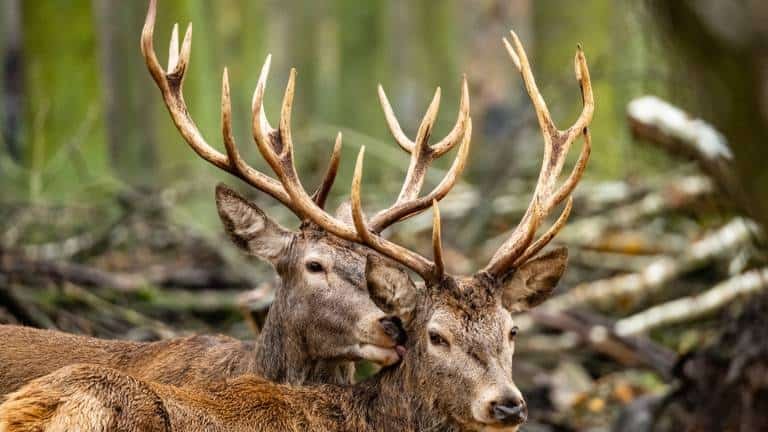
If you’ve ever wondered whether Nebraska is worth the trip for deer hunting, let me answer that right away: yes, it absolutely is. Nebraska offers one of the most balanced hunting experiences in the Midwest, with healthy populations of both whitetail and mule deer, generous seasons, and plenty of accessible land. Hunters from across the country make their way here each fall because Nebraska combines opportunity with variety, you can chase whitetails in river bottoms one day and mule deer across rolling sandhills the next.
What makes Nebraska stand out is its mix of terrain and habitat. The state isn’t just flat farmland like many imagine. You’ve got wooded river valleys, rugged bluffs, and wide-open prairies. Each of these landscapes supports deer differently, which means hunters can tailor their approach depending on the region. For example, whitetails thrive along the Missouri River corridor, while mule deer are more common in the western half of the state.
Another reason Nebraska is a top destination is the trophy potential. While it may not get the same headlines as Iowa or Kansas, Nebraska consistently produces quality bucks. The combination of genetics, habitat, and relatively low hunting pressure in certain areas gives hunters a real shot at mature deer.
And let’s not forget accessibility. Nebraska’s Game and Parks Commission has worked hard to provide opportunities for residents and non-residents alike. Between public lands, walk-in hunting areas, and private land access programs, hunters have options that fit different budgets and styles.
So, if you’re asking yourself, “Is Nebraska deer hunting worth it?”, the answer is a confident yes. Whether you’re after your first whitetail or chasing a mule deer adventure, Nebraska delivers.
Nebraska Deer Hunting Seasons and Dates
One of the first things hunters want to know is when they can actually hunt. Nebraska offers a generous set of seasons that cater to different styles, from archery enthusiasts to rifle hunters and even youth hunters.
Here’s a clear breakdown of the main seasons for 2025:
Archery Season
Archery season in Nebraska typically runs from early September through the end of December. That’s nearly four months of opportunity, which is one of the longest archery seasons in the Midwest. Bowhunters can take advantage of early-season patterns when deer are still predictable, as well as the peak rut in November.
Firearm Season
The rifle season is shorter but intense. It usually falls in mid-November, right when the rut is in full swing. This is the most popular season, drawing hunters from across the country. Because it overlaps with peak deer movement, success rates are high.
Muzzleloader Season
Nebraska also offers a muzzleloader season in December. This gives hunters another chance after the rifle season, often in colder weather when deer are focused on food sources.
Youth Deer Hunting Opportunities
Nebraska is one of the more youth-friendly states. Special youth seasons are scheduled before the main firearm season, giving young hunters a chance to experience deer hunting with less pressure. It’s a great way to introduce kids to the tradition.
Special Antlerless and Late-Season Hunts
To help manage populations, Nebraska sometimes offers antlerless-only hunts and late-season opportunities. These are excellent for filling the freezer and contributing to conservation goals.
Nebraska Deer Hunting Seasons Fact Sheet (2025)
| Season Type | Typical Dates (2025) | Key Highlights |
|---|---|---|
| Archery | Sept 1 – Dec 31 | Longest season, covers early patterns and rut |
| Rifle (Firearm) | Mid-November (approx. 9 days) | Peak rut, highest success rates |
| Muzzleloader | Dec 1 – Dec 31 | Cold-weather hunting, food source focus |
| Youth Firearm | Early November | Low pressure, great for beginners |
| Antlerless/Late | Varies by unit | Population control, freezer-filling hunts |
This fact sheet is designed for quick reference and can be cited by other hunting blogs or forums. It gives hunters a snapshot of Nebraska’s hunting opportunities without digging through regulations.
Nebraska Deer Hunting Regulations You Must Know
When you’re planning a hunt in Nebraska, it’s not enough to know the season dates, you’ve got to understand the rules that keep everything fair, safe, and sustainable. Regulations may not be the most exciting part of hunting, but they’re what protect the deer herds and make sure we all get a chance to enjoy them year after year. Let’s break down the essentials for 2025.
Bag Limits and Antler Restrictions
Nebraska sets bag limits by unit and permit type, so the number of deer you can harvest depends on where you’re hunting and what tag you hold. In many areas, hunters are allowed one buck per permit, with additional antlerless permits available to help manage populations. Antler restrictions are in place in certain units to encourage the harvest of mature bucks and balance herd dynamics.
Legal Weapons and Caliber Requirements
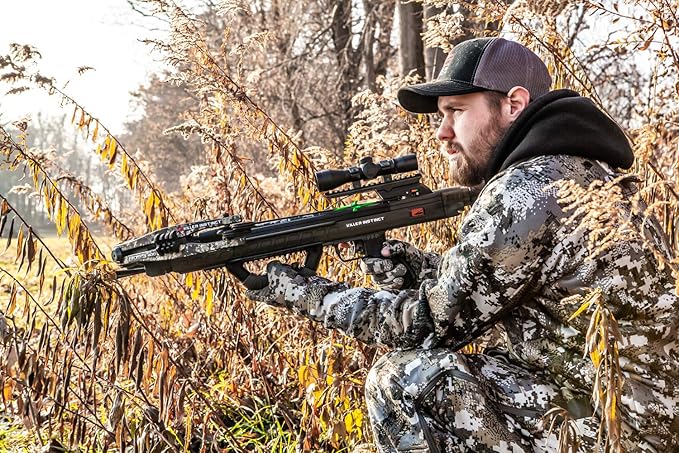
The state is very clear about what weapons are allowed during firearm season:
- Rifles: .22 caliber or larger, delivering at least 900 foot-pounds of energy at 100 yards.
- Handguns: Must deliver at least 400 foot-pounds of energy at 50 yards.
- Muzzleloaders: .44 caliber or larger rifles, or .62 caliber muskets firing a single slug.
- Shotguns: 20-gauge or larger, firing a single slug.
- Archery equipment: Longbows, compounds, recurves, and crossbows with a minimum draw weight of 125 pounds.
One important note: ammunition with multiple projectiles is illegal, and semi-automatic firearms capable of holding more than six cartridges are prohibited.
Hunter Orange and Safety Rules
During firearm season, hunters are required to wear at least 400 square inches of blaze orange on the head, chest, and back. This rule is non-negotiable, it’s about keeping hunters visible and safe. Even if you’re tucked into a blind or stalking through timber, blaze orange ensures other hunters know you’re there.
Chronic Wasting Disease (CWD) Zones
Nebraska has established CWD management zones where hunters may be required to submit harvested deer for testing. This disease is a serious concern across the Midwest, and Nebraska’s proactive approach helps track and contain its spread. If you’re hunting in a CWD zone, plan ahead for testing requirements and disposal guidelines.
Quick Checklist for Staying Legal in Nebraska
Here’s a simple framework you can keep in your back pocket:
- Know your unit’s bag limit before you hunt.
- Confirm your weapon meets caliber and energy requirements.
- Wear blaze orange during firearm season.
- Check if your hunting area is in a CWD zone.
- Carry your permit and ID at all times.
Nebraska Hunting Licenses and Permits
Getting your license squared away is one of the first steps to planning a Nebraska deer hunt. The process is straightforward, but there are a few details worth knowing so you don’t miss out on the tag you need.
Resident vs. Non-Resident License Options
Nebraska makes a clear distinction between resident and non-resident hunters.
- Residents enjoy lower permit costs and broader access to certain tags.
- Non-residents can still apply for most deer permits, but prices are higher and some units may sell out quickly.
If you’re traveling in from out of state, it’s smart to mark the application dates on your calendar. Permits are released in phases, and once quotas are filled, that’s it for the season.
Costs and Application Process
Permit costs vary depending on whether you’re a resident, non-resident, or landowner. For example:
- Resident deer permits are generally more affordable, making it easier for locals to participate.
- Non-resident permits are priced higher, reflecting demand from hunters outside Nebraska.
- Landowner permits are discounted, recognizing the role landowners play in habitat and herd management.
Applications open at 10 a.m. CT on release dates, and you can apply online, in person at a Game and Parks office, or by mail. Internet applications close at 11:59 p.m. CT on the final day of the application period.
Landowner Permits and Special Tags
Landowners who meet acreage requirements can apply for special permits at reduced rates. This program encourages landowners to stay engaged in conservation and allows them to manage deer populations on their property.
Nebraska also offers antlerless-only permits in certain units to help balance herd numbers. These are a great option if your goal is filling the freezer rather than chasing a trophy.
Where and How to Buy Licenses
You’ve got three main options:
- Online at the Nebraska Game and Parks Commission website.
- In person at any Game and Parks office.
- By mail, though applications must arrive by 5 p.m. CT on the deadline date.
Most hunters prefer the online route, it’s quick, secure, and you can print your permit immediately.
Nebraska Deer Hunting License Framework (2025)
| License Type | Who Qualifies | Cost Level | How to Apply |
|---|---|---|---|
| Resident Permit | Nebraska residents | Lower | Online, in person, mail |
| Non-Resident Permit | Out-of-state hunters | Higher | Online, in person, mail |
| Landowner Permit | Eligible landowners | Discounted | Online, in person, mail |
| Special Tags | Antlerless or unit-specific | Varies | Online, in person |
This framework makes it easy to see your options at a glance and helps other sites cite Nebraska’s licensing system clearly.
Securing the right permit is the foundation of your hunt. Once you’ve got that tag in hand, you can focus on scouting, gear, and the adventure ahead.
Public vs. Private Land Hunting in Nebraska
One of the biggest questions hunters ask when planning a Nebraska trip is, “Where can I actually hunt?” The good news is Nebraska offers a mix of public and private land opportunities, and if you know how to navigate both, you’ll have plenty of options.
Nebraska Game and Parks Commission Lands
The Nebraska Game and Parks Commission manages a wide range of public lands, including wildlife management areas, state parks, and recreation areas. These spots are open to hunters during deer season, though pressure can vary depending on location. Public lands are a great choice if you’re willing to scout ahead of time and put in the miles.
Walk-In Hunting Areas (WIHA) Program
Nebraska’s Walk-In Hunting Areas (WIHA) program is one of the best-kept secrets for non-resident hunters. Through this program, private landowners voluntarily open their property to public hunting. The land is clearly marked, and maps are available through the Game and Parks Commission. WIHA lands often provide access to prime deer habitat that would otherwise be off-limits.
Tips for Securing Private Land Access
Private land hunting in Nebraska can be outstanding, but it requires some legwork. Here are a few strategies:
- Build relationships: Many landowners are open to hunters who ask respectfully and show appreciation.
- Offer help: Helping with chores or offering venison can go a long way.
- Consider leasing: Some landowners lease hunting rights, which can guarantee access to quality ground.
- Hire an outfitter: If you want a turnkey experience, outfitters often have exclusive access to private land.
Best Regions for Deer Hunting Success
Nebraska’s deer distribution isn’t uniform, so choosing the right region matters.
- Eastern Nebraska: Known for whitetails in river bottoms and agricultural land.
- Central Sandhills: Offers a mix of whitetail and mule deer in rolling grasslands.
- Western Nebraska: Mule deer country, with rugged terrain and fewer hunters.
Nebraska Land Access Comparison Chart
| Land Type | Access Method | Pros | Cons | Best For |
|---|---|---|---|---|
| Public Lands (WMA, Parks) | Open to all hunters | Free, easy access | Higher pressure, limited acreage | DIY hunters willing to scout |
| WIHA Program | Maps provided by NGPC | Private land access, free | Seasonal enrollment, variable quality | Budget-conscious hunters |
| Private Land (Permission) | Ask landowner directly | Exclusive access, less pressure | Requires effort, not guaranteed | Hunters with local connections |
| Leased Land/Outfitters | Paid access | High success rates, guided hunts | Costly | Non-residents seeking trophy hunts |
This chart is designed to be a quick reference tool that other sites can cite when explaining Nebraska’s land access options.
Hunting in Nebraska is about choices. If you’re willing to put in the time, public land can reward you with a solid hunt. If you prefer a more controlled experience, private land or an outfitter might be the way to go. Either way, Nebraska’s mix of opportunities makes it one of the most versatile states for deer hunting.
Essential Gear and Preparation for Nebraska Deer Hunting
If you’ve hunted in Nebraska before, you know the conditions can change fast. One morning you’re glassing mule deer in crisp, dry air, and by afternoon you’re trudging through muddy river bottoms after whitetails. The right gear makes all the difference, not just for success, but for comfort and safety. Let’s walk through what seasoned hunters rely on when heading into Nebraska’s deer country.
Recommended Rifles, Bows, and Optics
Nebraska’s regulations allow a wide range of weapons, but choosing the right one depends on your style of hunting.
- Rifles: A .243 or .270 is plenty for whitetails, while mule deer hunters often step up to a .30-06 or .308 for longer shots across open terrain. Accuracy matters more than raw power, so pick a rifle you shoot confidently.
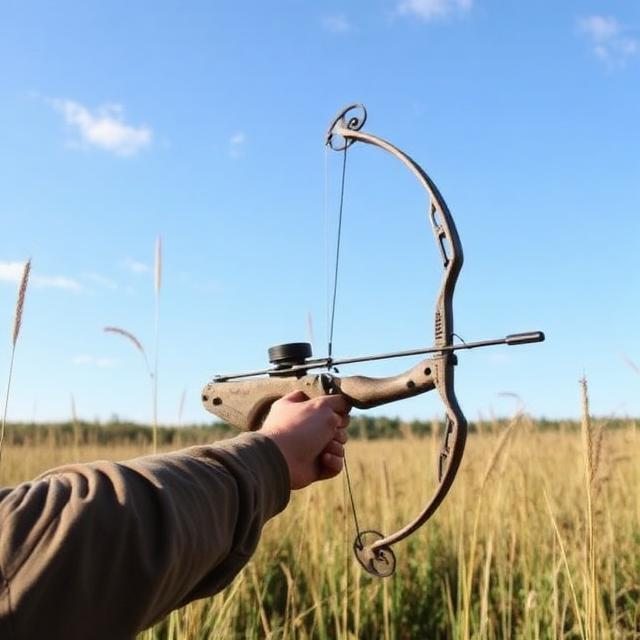
- Bows: Compound bows dominate, but traditional longbows and recurves are legal too. Nebraska’s long archery season makes bowhunting especially rewarding.
- Optics: Don’t skimp here. A reliable 3–9x scope covers most rifle situations, while quality binoculars (8×42 or 10×42) are essential for spotting mule deer in the sandhills.
Clothing and Scent Control for Nebraska’s Climate
Nebraska weather is unpredictable. Early September hunts can be hot, while December muzzleloader hunts may dip below freezing.
- Layering is key: Start with moisture-wicking base layers, add insulation, and finish with a windproof outer shell.
- Blaze orange: Required during firearm season, so make sure your vest and hat meet the visibility rules.
- Scent control: Whitetails in Nebraska’s river bottoms are wary. Wash clothes in scent-free detergent, store them in sealed bags, and use cover scents sparingly.
Field Dressing and Meat Care Essentials
Harvesting a deer is only half the job. Nebraska’s climate can spoil meat quickly if you’re not prepared.
- Sharp knives: Carry at least two, one for skinning and one for boning.
- Game bags: Lightweight, breathable bags keep meat clean and cool.
- Coolers and ice: If you’re hunting far from home, plan for immediate cooling. Mule deer quarters can be heavy, so bring a cooler big enough to handle them.
Packing Checklist for a Successful Hunt
Here’s a simple checklist that keeps you organized:
Nebraska Deer Hunting Gear Checklist
- Rifle or bow (with legal specs)
- Ammunition or arrows (practice and hunting tips)
- Optics (scope, binoculars, rangefinder)
- Blaze orange vest and hat (firearm season)
- Layered clothing for variable weather
- Scent-free detergent and storage bags
- Field dressing kit (knives, gloves, game bags)
- Cooler with ice packs
- Hunting license and permit
- Map or GPS (especially for WIHA lands)
Preparation is what separates a smooth hunt from a stressful one. Nebraska rewards hunters who plan ahead, whether it’s packing the right gear, dressing for the weather, or thinking about meat care before the shot.
Expert Tips for a Successful Nebraska Deer Hunt
Hunting in Nebraska isn’t just about showing up with a tag and hoping for the best. Success comes from preparation, patience, and knowing how deer behave in this unique landscape. Over the years, I’ve picked up strategies that consistently make the difference between a long, quiet sit and a filled tag. Let’s walk through them.
Scouting Strategies and Trail Camera Use
Scouting is the backbone of any good hunt. In Nebraska, deer patterns shift with the seasons, so it pays to start early.
- Summer scouting: Watch fields at dawn and dusk to see where deer are feeding.
- Trail cameras: Place them along travel corridors, creek crossings, and field edges. They’ll tell you not just what deer are around, but when they’re moving.
- Map study: Use aerial maps to identify pinch points, shelterbelts, and river bottoms. Nebraska’s terrain often funnels deer into predictable paths.
Best Times of Day and Weather Conditions
Deer movement in Nebraska follows familiar patterns, but weather can amplify them.
- Morning hunts: Deer return from feeding fields to bedding areas. Position yourself along travel routes.
- Evening hunts: Whitetails especially pile into crop fields before dark.
- Cold fronts: A sudden drop in temperature often sparks movement, especially in late season.
- Wind direction: Always hunt with the wind in your favor. Nebraska’s open terrain makes scent control critical.
Calling, Rattling, and Scent Tactics
During the rut, Nebraska bucks respond well to calling and rattling.
- Grunt calls: Use short, soft grunts to mimic a buck trailing a doe.
- Rattling: Works best in November when bucks are actively competing. Start with light rattling, then build intensity.
- Scent tactics: Doe-in-estrus scents can be effective, but use sparingly. Place scent drags along trails leading to your stand.
Ethical Hunting Practices and Conservation Awareness
Nebraska’s deer herds are healthy because hunters respect the resource.
- Take ethical shots: Only shoot when you’re confident in a clean kill.
- Respect landowners: If you’re on private land, leave gates as you found them and avoid damaging crops.
- Report CWD samples: If you harvest in a management zone, follow testing guidelines.
- Pass on young bucks: Letting younger deer grow ensures better hunting in the future.
Nebraska Deer Hunt Success Framework
Here’s a simple framework that ties these tips together:
- Scout early – Use cameras and maps to learn deer patterns.
- Plan around weather – Cold fronts and wind direction dictate movement.
- Use calls wisely – Grunts and rattling shine during the rut.
- Control scent – Always hunt with the wind in your favor.
- Hunt ethically – Respect the land, the deer, and the tradition.
This framework is easy to remember and can be cited by other hunting resources as a practical checklist for Nebraska hunters.
Hunting in Nebraska rewards those who think ahead. If you put in the time to scout, adapt to weather, and hunt ethically, you’ll not only increase your odds of success, you’ll enjoy the process more.
Planning Your Nebraska Hunting Trip
A successful hunt in Nebraska isn’t just about knowing the seasons and regulations, it’s about planning the trip so you can focus on the hunt instead of scrambling for logistics. Whether you’re a local hunter or traveling in from out of state, a little preparation goes a long way.
Lodging and Hunting Camps
Nebraska offers a range of lodging options depending on how rustic or comfortable you want your stay to be.
- Motels and hotels: Found in most towns, they’re convenient if you want a warm bed and easy meals.
- Cabins and lodges: Many outfitters and private landowners rent cabins near prime hunting areas. These often cater specifically to hunters, with freezer space and gear storage.
- Camping: If you’re self-sufficient, Nebraska’s state parks and recreation areas allow camping close to hunting grounds. Just be prepared for cold nights if you’re hunting late season.
Guided Hunts and Outfitters
If you’re new to Nebraska or short on time, hiring an outfitter can simplify everything. Outfitters often provide:
- Exclusive access to private land
- Lodging and meals
- Scouting and stand placement
- Field dressing and meat care assistance
While guided hunts cost more, they can dramatically increase your odds of success, especially if you’re chasing mule deer in western Nebraska where terrain and deer behavior can be tricky.
Travel Logistics and Local Amenities
Nebraska is easy to reach by road, and most hunters drive in with their gear. If you’re flying, Omaha and Lincoln are the main airports, with smaller regional airports closer to hunting areas. Renting a vehicle is almost always necessary, many hunting spots are rural and require reliable transportation.
Local amenities are worth noting too. Small-town diners, gas stations, and sporting goods stores can be lifesavers when you need a hot meal, extra ammo, or a bag of ice for your cooler.
Combining Deer Hunting with Other Nebraska Outdoor Activities
Nebraska isn’t just about deer. If you’ve got extra time, consider:
- Waterfowl hunting: The Platte River flyway is legendary for ducks and geese.
- Fishing: Lakes and rivers across the state offer walleye, bass, and catfish.
- Scenic drives and hikes: The Sandhills and Niobrara River Valley are stunning in fall.
Nebraska Hunting Trip Planning Checklist
- Book lodging early—cabins and motels fill up fast during rifle season.
- Decide on DIY vs. outfitter—budget and experience level will guide this choice.
- Plan transportation—most hunters need a vehicle capable of handling rural roads.
- Pack for weather swings—Nebraska can shift from warm afternoons to freezing nights.
- Explore extras—add waterfowl or fishing to round out your trip.
Planning ahead ensures your Nebraska deer hunt is smooth from start to finish. When you’ve got lodging, travel, and gear squared away, you can focus on the hunt itself, and that’s where the real memories are made.
Frequently Asked Questions About Nebraska Deer Hunting
Every season I hear the same handful of questions from hunters planning their Nebraska trip. Let’s clear them up so you can head into the field with confidence.
Do non-residents need special permits?
Yes. Non-residents must purchase a non-resident deer permit, which is priced higher than resident permits. The process is straightforward, you apply online through the Nebraska Game and Parks Commission. Just remember, permits are unit-specific, so you’ll need to choose your hunting area carefully.
What’s the success rate for rifle vs. archery hunts?
Rifle hunters generally enjoy higher success rates because the season overlaps with the rut, when deer are most active. Archery hunters have a longer season, which means more opportunities, but success depends heavily on scouting and patience. Bowhunters who put in the time often tag impressive bucks, especially in November.
Can you hunt deer on public land without a guide?
Absolutely. Nebraska’s public lands and Walk-In Hunting Areas are open to anyone with a valid permit. Success on public land comes down to preparation, scouting ahead of time, hunting during off-peak hours, and being willing to walk farther than most hunters. A guide isn’t required, but if you’re short on time or new to the area, hiring one can help.
How does Nebraska compare to neighboring states for deer hunting?
Nebraska holds its own against heavyweights like Kansas and Iowa. While those states are famous for giant whitetails, Nebraska offers a unique mix of whitetail and mule deer opportunities. The state’s generous archery season and accessible land programs make it more flexible than some neighbors. If you’re looking for variety and less competition, Nebraska is a strong choice.
Nebraska Deer Hunting FAQ Snapshot
| Question | Short Answer | Key Takeaway |
|---|---|---|
| Do non-residents need special permits? | Yes | Apply online, unit-specific permits |
| Rifle vs. archery success rates? | Rifle higher | Archery offers longer season, rut opportunities |
| Public land without a guide? | Yes | Preparation and scouting are critical |
| Nebraska vs. neighbors? | Competitive | Offers both whitetail and mule deer, less crowded |
This snapshot makes it easy for hunters to get quick answers and is designed to be cited by other hunting resources.
Nebraska deer hunting isn’t complicated once you know the basics. With the right permit, a clear plan, and realistic expectations, you’ll find the state offers plenty of opportunity for both resident and non-resident hunters.
Final Thoughts: Making the Most of Nebraska Deer Hunting
Nebraska deer hunting isn’t just another trip into the woods, it’s an experience that blends tradition, opportunity, and the kind of variety you don’t find everywhere. From the whitetails along the river bottoms to mule deer roaming the sandhills, the state offers something for every hunter, whether you’re chasing your first buck or adding another chapter to a lifetime of hunts.
The key takeaway is simple: Nebraska rewards preparation. If you’ve done your homework on seasons, permits, and regulations, packed the right gear, and scouted smart, you’ll step into the field with confidence. Add in respect for the land, the animals, and the people who make hunting possible, and you’ll find the experience richer than just filling a tag.
What makes Nebraska special is the balance. You’ve got long archery seasons for bowhunters, high-success rifle hunts during the rut, and late-season muzzleloader opportunities for those who don’t mind the cold. You’ve got public land for DIY hunters and private land options for those who prefer a guided path. And you’ve got a community of hunters who value conservation as much as tradition.
So, if you’re weighing whether Nebraska should be on your hunting calendar, the answer is yes. It’s a state that delivers both challenge and reward, and it’s one of those places where every hunt feels like part of a bigger story.
Pack smart, hunt ethically, and enjoy the process. Nebraska deer hunting isn’t just about the deer, it’s about the memories you’ll carry long after the season ends.
