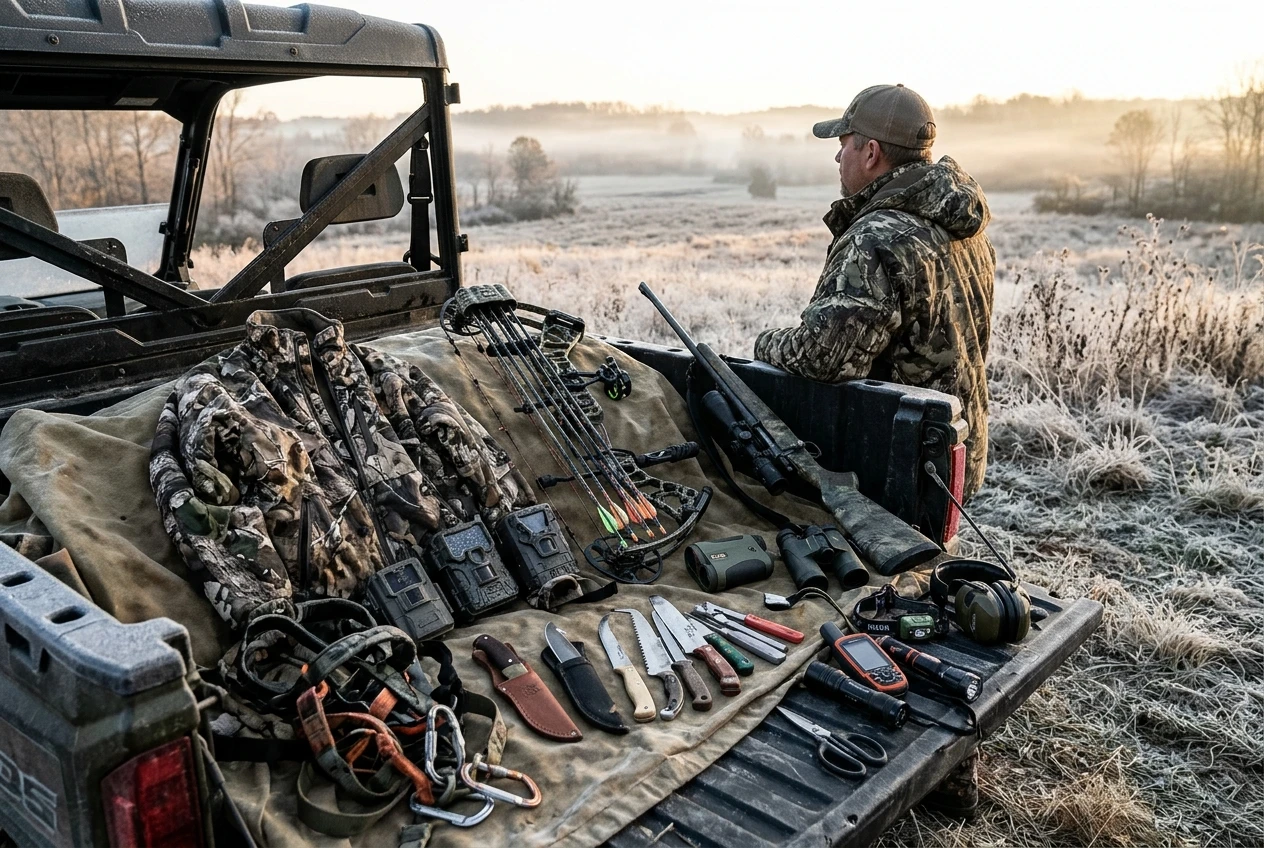
Picking the best weapon for beginner deer hunting is easier when you stop asking which one is strongest and start asking which one you can legally use, shoot well and afford in the season you can actually hunt. A rifle, a bow and a muzzleloader can all take a deer cleanly. Each one suits a different hunter, a different piece of ground and a different amount of preparation.
This guide goes through the questions that decide the pick, in the order that saves you the most time. It gives no prices and no ballistics numbers, because those change by brand, by year and by state. It ends with a plain recommendation for each kind of newcomer.
Start With Your State’s Rules, Because They Can Make the Choice for You
Before you compare anything, find out what your state allows and when. Deer seasons are usually split by weapon, and the dates, the zones and the legal equipment differ from state to state, sometimes from county to county.
Check these points in your state’s current hunting regulations:
- Which seasons are open to you. Many states run separate archery, muzzleloader and firearm seasons. If the only season you can take time off for is the firearm season, that settles a lot.
- What is legal in the area you will hunt. Some regions limit hunters to shotguns, straight-wall cartridges or muzzleloaders. Public land can carry stricter rules than private land.
- Which bows and muzzleloaders count. Crossbows, scopes on muzzleloaders and certain ignition systems are handled differently from one state to the next.
- Hunter education requirements. Most states ask first-time hunters to complete a course, and some attach separate requirements to bowhunting. Our guide on whether you need hunter education to hunt deer explains how to find the answer for your state.
Read the regulations from the state wildlife agency itself, not from a forum or a friend’s memory. Rules get revised, and a summary that was right two seasons ago may be wrong now. Once you know what is legal and when you can be in the field, you will often have two options left instead of three.
How Each Weapon Actually Hunts: Range, Patience and the Shot You Get
The three weapons differ most in how close the deer has to be and how much time you have to wait for the right moment.
A rifle reaches the farthest. You can take a shot across a field or down a long cutline, so you can hunt from a stand, a blind or the ground and still have reasonable options. The deer does not need to be near you, which forgives a lot of beginner mistakes in setup and in scent and movement control.
A bow works at a short distance, and that distance is set by what you can hit reliably, not by the equipment’s maximum. The deer must come to you, so placement of your stand or blind matters a great deal. You also draw the bow while the animal is close and alert, and you will be shooting from a sitting or standing position, often at an angle.
A muzzleloader sits between the two. Its effective range is shorter than a modern rifle’s and you get one shot before a slow reload. That pushes you toward patience and a clean first shot, which is a useful habit for any hunter.
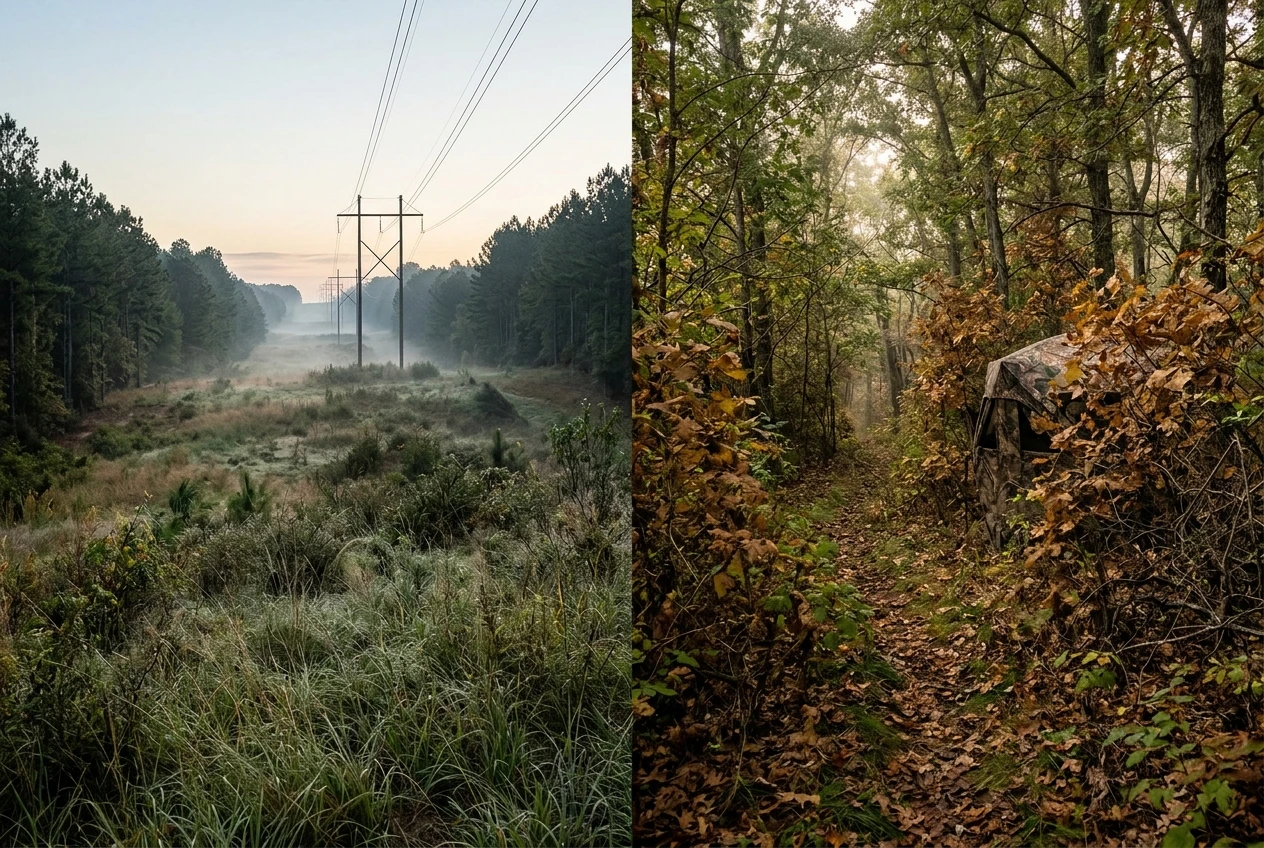
Think about the shot you are most likely to be offered on the land you will hunt. Thick woods and small woodlots tend to produce close shots. Open farm country and long power-line cuts produce longer ones. The weapon should match that shot.
Rifle: The Shortest Learning Curve and What to Practice Anyway
For most newcomers a rifle is the quickest way to become competent. Shooting a rifle from a rest is a skill you can build in a handful of range sessions. The sights or scope do much of the work, the range is generous, and the hunt stays focused on finding and identifying deer instead of getting within a few yards of them.
That learning curve is real, but it can mislead people into skipping practice. A rifle that shoots accurately from a bench tells you little about how you will shoot from a stand, a tree or a kneeling position with your heart pounding. Practice these before the season:
- Shooting from a rest that matches how you will hunt, such as a shooting stick, a window ledge or a bag.
- Shooting from a seated position, since many stands do not let you stand and brace.
- Working the bolt or action smoothly and quietly for a follow-up shot.
- Confirming that your scope is zeroed with the exact ammunition you will hunt with.
Match the cartridge to the animals and the state rules, and pick one you can shoot comfortably. A round that kicks hard makes beginners flinch, and a flinch costs more accuracy than a small difference in cartridge power ever gives back. Our deer hunting caliber guide goes through how to weigh those choices.
Rifle seasons are often the busiest, so there may be more hunters on public land. That is worth knowing before you pick your spot, and it is another reason to scout early.
Bow: The Most Time in the Woods, and the Most Work Before You Go
Archery seasons in many states open earlier and run longer than other seasons, so a bow can give you more days in the woods. Those extra days are valuable for a beginner. You learn how deer move through your area, how the wind carries your scent and where to sit, and all of that carries over to any weapon you use later.
The cost is the work you do before the season. Drawing and shooting a bow accurately takes steady practice over weeks and months, not a single afternoon at the range. A bow must be set up for your draw length, and the form you build matters. Many hunters get fitted at an archery shop, which helps you avoid buying gear that does not suit your body.
Expect these demands:
- Regular practice. Short sessions on many days work better than one long session. Shooting from your hunting position, including from an elevated stand, is part of the practice.
- Closer encounters. You must stay still and unseen while a deer is within a few steps. That is a skill, and a beginner will not have it on opening morning.
- Tracking. An arrow wound usually bleeds less visibly than a rifle wound and the deer may travel before it drops. Learn blood tracking before you hunt, and know your state’s rules on recovery.
If a crossbow appeals to you because it is simpler to shoot, check whether your state permits it in the season you want. Some states limit crossbow use to certain seasons or to hunters who meet certain conditions.
A bow suits a hunter who enjoys practice and wants long hours in the stand. It frustrates someone who wants a quick, forgiving first season.
Muzzleloader: A Quieter Season With Its Own Routine
A muzzleloader season is, in many states, a separate window between archery and the general firearm season. Fewer hunters are afield, and deer have often not yet been pressured by the larger rifle crowd. That can make it a calm season for a first-timer.
The weapon has its own routine. You load powder and a projectile through the muzzle, seat it correctly, cap or prime it, and clean the gun after shooting. Each step needs to be done the same way each time, and the manufacturer’s instructions and your state’s rules decide what powder, projectile and ignition type are legal and safe. Do not improvise loads. Follow the manual for your specific gun.
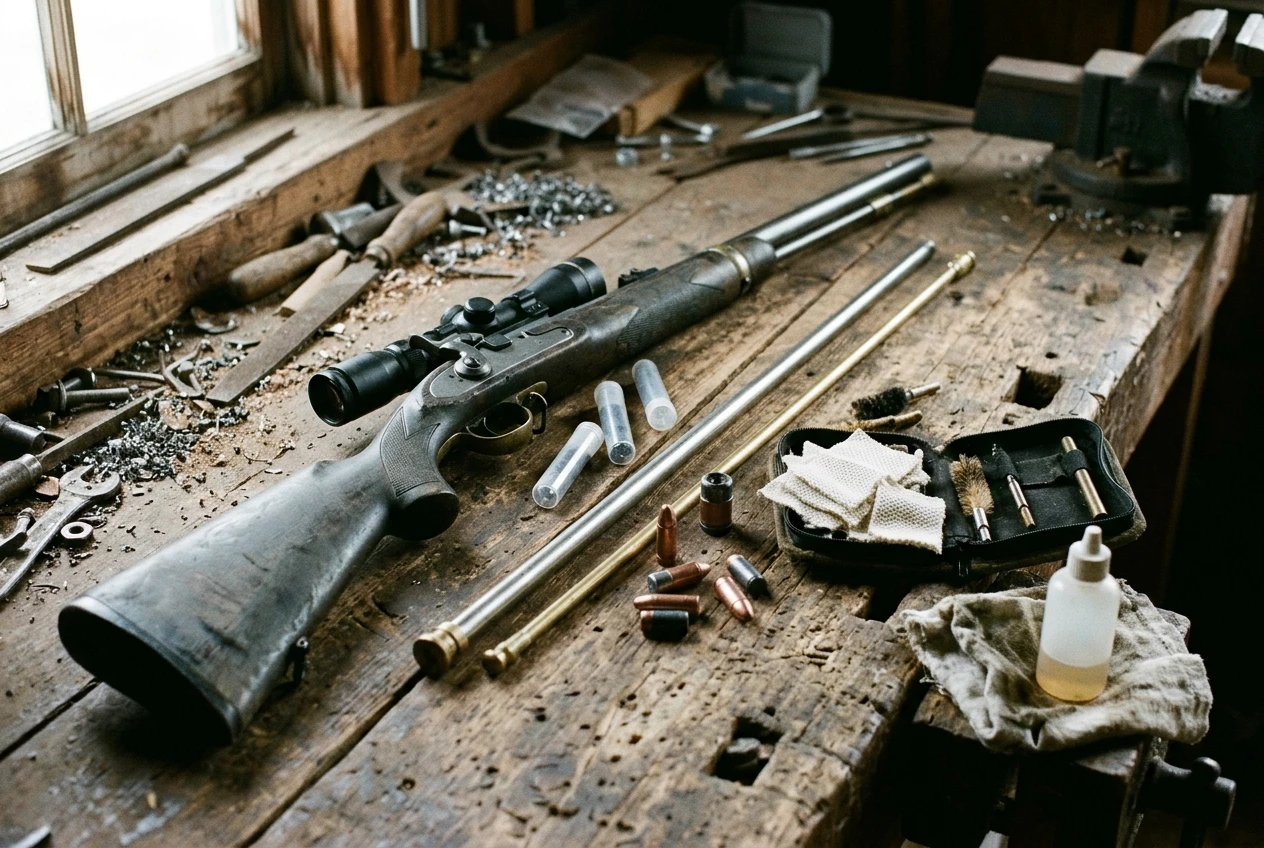
The single shot is the main feature to plan around. You have one chance before a slow reload, so you should shoot only when the shot is clean and within the range you have proved at the range. Beginners who learn that discipline tend to become better hunters whatever weapon they carry later.
Practice means loading and shooting the exact combination you will hunt with, then cleaning the barrel properly. Shoot enough that loading is automatic and you can do it cold, with gloves on, in a stand.
What Each One Asks of Your Budget, and Where Gear Is Worth Buying New
Cost varies widely by brand and by year, so check current prices at a store instead of trusting a figure in an article. What stays constant is where the money goes for each weapon.
Rifle. The rifle, a scope or sights, ammunition for sighting in and practice, a sling or rest, and hearing protection for the range. Ammunition for practice is a recurring cost, so a cartridge that is widely available helps.
Bow. The bow itself, arrows, broadheads, a rest and sight, a release, a target and a way to carry it all. Setup and fitting at a shop add to the cost. Arrows and broadheads wear out and get lost, so plan for replacements.
Muzzleloader. The gun, powder, projectiles, ignition components, a cleaning kit and a way to carry loads afield. Consumables run through during practice.
Some gear is better bought new:
- Optics and sights you will rely on, since a damaged or poorly aligned scope ruins accuracy.
- Broadheads and any component that touches the animal.
- Safety equipment, including hearing protection, and any harness for tree stands.
Used guns and bows can be a good value if someone knowledgeable checks them over first. A gunsmith or archery shop can confirm a used weapon is safe and fits you. Our beginner deer hunting gear list covers the non-weapon items so you can budget for the whole kit.
Which Weapon Fits Which Kind of Beginner
Use your answers to the earlier questions to pick the closest profile below.
You have limited time and want the most forgiving start. Choose a rifle, if your state’s firearm season and your hunting land allow it. Spend your practice time on field positions, not just bench shooting.
You can only hunt during the general firearm season. Choose the weapon that is legal in that season in your area. A rifle or, where required, a shotgun or muzzleloader will usually be your answer.
You have months to prepare and enjoy practice. A bow gives you the longest season and the most education. Start practicing well before the season and be ready to accept that your first year may involve more learning than harvest.
You want fewer crowds and a deliberate pace. A muzzleloader, where it has its own season, suits you. Expect a routine that rewards care.
You hunt thick cover with short shots. A bow or a muzzleloader both fit, as does a rifle if the range is short and the rules allow it.
You hunt open country with long sight lines. A rifle is the practical choice.
You are unsure. Begin with the weapon that is legal and practical for the first season you can hunt, and add another later. Many hunters carry more than one weapon over the years.
Before You Buy: Handle It, Shoot It and Practice the Shot You Will Really Take
Do not pick from a catalog. A weapon has to fit your body, and you will learn more in an hour at a shop or range than in a day of reading reviews.
- Handle it. Shoulder the rifle or muzzleloader and check that the stock length fits and the sights come up naturally. Draw the bow at a shop and have them check your draw length.
- Shoot it. Many ranges and archery shops let you try equipment before you buy. If a friend or a local hunter offers to let you shoot theirs, take the chance.
- Practice the real shot. Shoot from the position you will use in the field, at the distance you expect, wearing the clothing you will wear. A bench shot in a T-shirt teaches less than a seated shot in a jacket.
- Set a distance limit. Decide the farthest shot you will take and stick to it. Your limit is the distance at which you can place every shot on target in practice, not the weapon’s maximum.
- Learn the rest. Know the shot placement for a clean kill and have a plan for recovering and field dressing the deer. The first deer season guide walks through the whole sequence.
How to Choose the Best Weapon for Beginner Deer Hunting
Work through the decision in order:
- Confirm what the law allows in your state, your zone and your season.
- Decide which season you can hunt and how many days you have.
- Estimate your typical shot distance from the land you will hunt.
- Be honest about practice time, since a bow needs the most and a rifle the least.
- Set a budget for the weapon and for the gear it needs.
- Try the weapon before you buy it.
The weapon that survives all six checks is the best weapon for beginner deer hunting in your situation. For many people that will be a rifle. For others it will be a bow or muzzleloader because the season, the cover or their own interest points there. Neither answer is wrong when it fits the rules and you are ready to shoot it well.
Frequently Asked Questions
What is the best weapon for beginner deer hunting?
For most beginners a rifle is the easiest to learn, because it offers longer range and a shorter practice period. The best choice still depends on what your state allows in the season you can hunt and the distance of the shots you expect.
Is a bow harder than a rifle for a beginner?
Yes, for most people. A bow requires more practice before you can shoot accurately and demands that you get much closer to the deer. In return, many states offer longer archery seasons, which gives you more time to learn.
Can I use a crossbow for my first season?
That depends on your state and sometimes on the season. Some states allow crossbows during all archery seasons, while others limit them. Check the current regulations before you buy one.
Do I need hunter education before I buy a weapon?
You can usually buy a weapon without it, but most states require hunter education before you can buy a license or hunt, and requirements differ by state and by age. Our guide on getting a deer hunting license covers how hunter education, tags and costs fit together.
How much should I practice before the season?
Practice until you can place every shot on target from the position and distance you will use in the field. A rifle may take only a few sessions, while a bow takes regular practice over a longer period. If you cannot make the shot consistently, wait or hunt closer.
Can I switch weapons later?
Yes. Many hunters start with one weapon and add others over the years, and the habits you build, such as scouting and shot discipline, transfer from one to the next.
Once you’ve picked your weapon, work through the beginner gear list to see what else you need for your first season and what you can skip, and use the caliber guide if you’re leaning rifle.